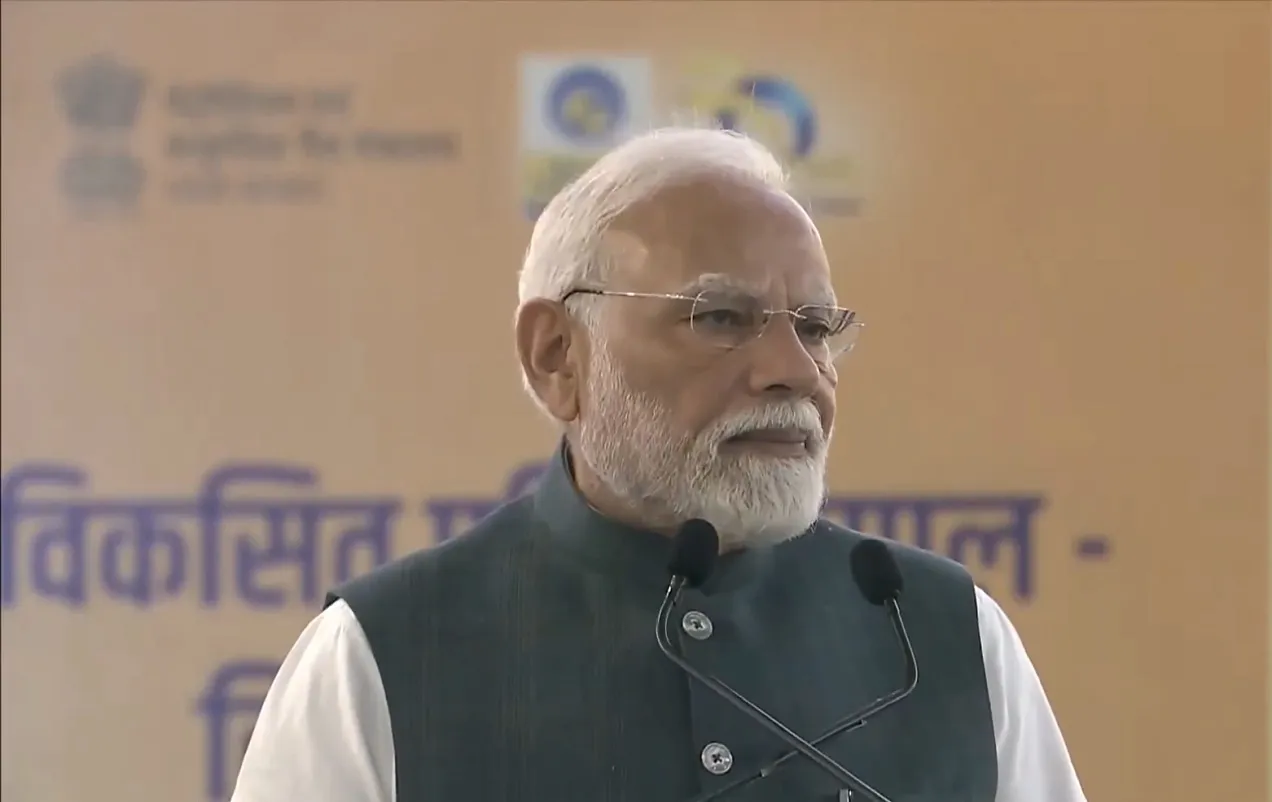

Alipurduar, West Bengal: In a landmark address from Alipurduar, Prime Minister Narendra Modi shared a compelling vision for the future of West Bengal one deeply rooted in development, sustainability, and innovation. While addressing a public gathering, PM Modi emphasized that the Central Government is persistently accelerating progress across three major pillars: infrastructure, innovation, and investment.
“The central government is continuously giving speed to infrastructure, innovation, and investment in West Bengal,” he declared, striking a chord with the crowd. His speech underlined the importance of state-level development as a critical component of national advancement, positioning West Bengal as a pivotal player in India’s broader journey toward economic transformation.
City Gas Distribution: Fueling a New Chapter of Progress
At the heart of the Prime Minister’s address was the announcement of the City Gas Distribution (CGD) project a groundbreaking initiative designed to bring clean, safe, and affordable gas directly to the doorsteps of households in West Bengal. PM Modi outlined how this move will significantly reduce dependency on conventional LPG cylinders, marking a shift toward more sustainable and modern energy sources.
“Through the City Gas Distribution project, people won’t need to buy cylinders anymore and safe gas distribution will be provided in households,” he said. This transition is expected to benefit millions by streamlining access to energy and enhancing daily convenience for families across urban and rural landscapes.
Expanding CNG Infrastructure for a Greener Future
The Prime Minister further detailed plans for establishing new Compressed Natural Gas (CNG) stations throughout the state. This infrastructure expansion is a bold step toward encouraging the use of green fuel alternatives and cutting down on fossil fuel dependency.
“The construction of CNG stations will help in the expansion of green fuel services. This will save money, time, and the environment will also get relief,” PM Modi stated, pointing to the multifaceted benefits of adopting cleaner fuel solutions. With CNG-powered transportation systems and household supply networks, the state is set to embrace a more eco-conscious future.
This initiative not only underscores the government’s commitment to sustainability but also offers an economic incentive. Families and businesses alike will experience cost savings while contributing to a cleaner, healthier environment.
Strengthening the Foundation of India’s Growth Through State Development
PM Modi emphasized that West Bengal’s development is central to India’s growth. He reiterated that empowering states is not a choice but a necessity for the nation’s collective progress. With targeted projects like CGD, the government aims to reduce regional disparities and ensure that development reaches every corner of the country.
“West Bengal’s development is the foundation of India’s progress,” he affirmed. This vision reflects a strong federal approach where states are not merely administrative divisions but essential building blocks of national prosperity.
The CGD project, with its promise of delivering central government services right to people’s doorsteps, serves as a powerful symbol of this decentralized developmental ethos. It is designed not only to boost economic activities but also to uplift the quality of life for ordinary citizens.
Doorstep Governance: Transforming Policy Into Reality
One of the most compelling parts of PM Modi’s speech was his emphasis on the Central Government’s commitment to “doorstep delivery” of its schemes and policies. Rather than expecting people to navigate complex systems, the government is actively working to bring solutions to them wherever they live.
“This project is an example of the doorstep delivery of the Central Government’s policies,” he stated proudly. Whether it’s clean cooking gas, efficient transportation, or new employment opportunities in green energy infrastructure, the government is aiming for tangible, on-ground impact.
Such an approach promotes trust and inclusivity in governance, ensuring that no section of the population is left behind. It is a model that aligns with the aspirations of New India bold, inclusive, and deeply rooted in empathy and progress.
Public Reaction: A Mix of Hope and Optimism
PM Modi’s remarks and the CGD announcement have generated waves of optimism across the region. Citizens in Alipurduar and beyond expressed both excitement and relief at the prospect of improved energy accessibility, cost savings, and environmental relief.
“It’s a blessing for households like ours,” said a local resident. “Not only will we save money on cylinders, but it’s also good to know that our children will grow up in a cleaner environment.”
Environmentalists, too, welcomed the initiative, highlighting how cleaner fuels can drastically cut carbon emissions in rapidly urbanizing districts of West Bengal. Entrepreneurs and small business owners are also optimistic about the improved logistics and operational efficiencies that cleaner, cheaper fuel options can bring.
Looking Ahead: A Roadmap to Replicable Success
As West Bengal gears up for this energy revolution, the CGD project is being closely watched by other states as a potential template for inclusive, eco-friendly development. The model combines economic pragmatism with environmental sensitivity and could pave the way for similar efforts across India.
PM Modi’s vision for infrastructure growth, combined with innovative and investment-driven strategies, marks a shift toward policies that not only look good on paper but make a difference where it matters most in people’s lives.
“India’s future lies in how well we empower our people at the grassroots,” PM Modi concluded. “And with each household that switches to clean energy, we are building a nation that is sustainable, efficient, and inclusive.”