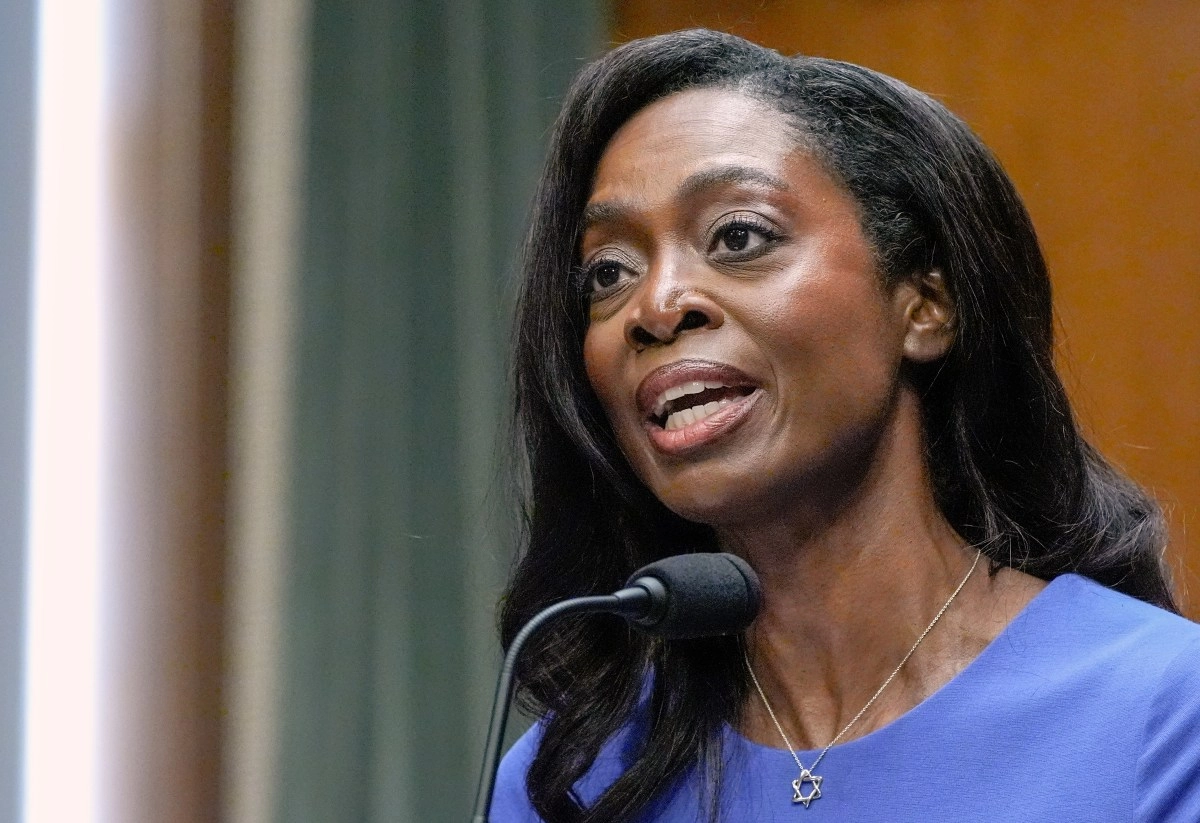

The Senate confirmed this Wednesday Dr. Erica Schwartz as the new director of the Centers for Disease Control and Prevention (CDC), ending almost a year of vacancy in one of the most important public health positions in the country, at a time when the agency faces staff cuts, disease outbreaks and questions about its scientific independence.
Her career includes serving as deputy director of the United States Public Health Service and holding leadership positions within the Coast Guard, an experience that was considered a plus by legislators of both parties.
An appointment under intense scrutiny
The confirmation was not without obstacles. During her hearing before the Senate Health, Education, Labor and Pensions Committee, several lawmakers, led by Republican Senator Bill Cassidy, questioned whether she would be willing to confront Health Secretary Robert F. Kennedy Jr. if he pushed for decisions that were not supported by scientific evidence or best public health practices.
Weeks later, Cassidy said that she had additional conversations with Schwartz and with people who have worked with her, which ended up giving her confidence to support her nomination. Schwartz has also publicly defended the safety and effectiveness of childhood vaccines, a stance that contrasts with the critical positions Kennedy has held for years on various immunization programs.
The new director stated during her appearance that she does not expect the administration to ask her to make decisions that could harm the health of minors, although she supported other government initiatives, including the withdrawal of the United States from the World Health Organization and the “Make America Healthy Again” campaign.
An agency hit by cuts and health challenges
The CDC reaches this new stage after losing more than 3,000 employees, equivalent to more than a quarter of its workforce, due to layoffs and resignations recorded since Trump's return to the White House. The staff reduction, along with a succession of interim directors, caused a drop in morale at the institution and raised concerns about its ability to respond to health emergencies.
Schwartz was Trump's third nominee to lead the agency in the last 18 months. Previously considered were David Weldon, whose nomination was never voted on, and Susan Monarez, who was confirmed by the Senate, but removed less than a month later due to differences with the administration.
Now, the new director will have to face immediate challenges, including the largest measles outbreak recorded in the United States in more than three decades and an outbreak of cyclosporiasis associated with the consumption of contaminated lettuce. Public health experts believe that Schwartz's leadership will be decisive in restoring the scientific credibility of the CDC, strengthening the response to future health threats and regaining the trust of the workers of an agency considered a key player in protecting the health of millions of Americans.