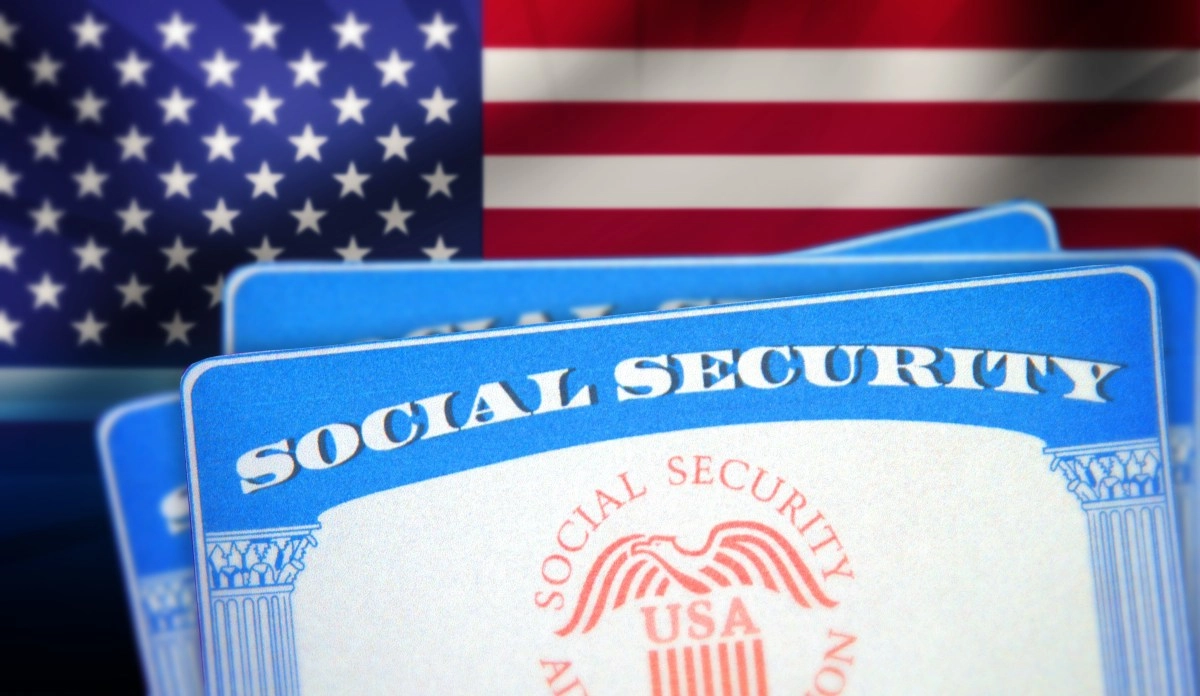

The possibility that Social Security will face financial problems within the next few years has raised alarm bells among millions of workers and retirees in the United States. Although the benefits will not disappear completely, the most recent projections indicate that the payments could be significantly reduced starting in 2032 if Congress does not act sooner. Therefore, many experts recommend starting to prepare now.
The debate picked up steam again after program administrators moved up the retirement trust fund's estimated insolvency date. According to the most recent report, the Old-Age and Survivors Insurance Trust Fund could be depleted by the end of 2032. If that happens, the Social Security Administration (SSA) would have enough resources to pay only about 78% of scheduled benefits.
“If we cut Social Security, no one will be able to retire,” said Nancy Altman, president of Social Security Works. “We’re going back to the days before Social Security, when people moved in with their adult children.”
In practice, this would mean a reduction of around 22% in the monthly checks received by retirees, survivors and some workers with disabilities who depend on this income to cover their basic expenses.
“This should serve as a warning: Congress must act,” urged Myechia Minter-Jordan, CEO of AARP. "Americans have worked hard and paid into Social Security all their lives, and they deserve to be able to count on it when they retire. No family should have to see cuts in what they have earned from Social Security."
What you can do now to protect your finances
Although there are several years left before these projections can become a reality, specialists recommend taking advantage of the time to strengthen personal finances, especially for workers who hope to retire in the remote future.
One of the first actions is to check where your money is stored. Many people continue to use traditional savings accounts that offer very low returns. There are now high-yield savings accounts, certificates of deposit, and money market accounts that can earn significantly higher interest, allowing savings to grow faster.
Another important point is to reduce high-cost debts, mainly credit card debts. These alternatives maintain high interest rates and can consume a significant part of the monthly budget. Paying off or consolidating debt can free up resources that could later help offset a potential reduction in profits.
It is also advisable to analyze the insurance policies that have been contracted, because some people pay for coverage that they no longer need, while others could be unprotected against medical expenses or long-term care needs. Reviewing these policies can help you find a better balance between protection and savings.
The importance of understanding your retirement funds
For those with retirement accounts, another key aspect is Required Minimum Distributions (RMDs). These are the amounts that certain people must begin withdrawing from their retirement accounts upon reaching the age established by law.
Knowing in advance how much money will need to be withdrawn, when the withdrawal will be made, and what the tax consequences will be can help you better plan your income in retirement.
It's important to remember that the projected insolvency of 2032 does not mean that Social Security will stop sending payments. The main risk is that the benefits will be lower than expected if legislative changes are not approved before that date. Therefore, both those already receiving payments and those hoping to retire over the next decade need to take advantage of the opportunity to prepare.