

NFL announces new games in Rio de Janeiro
The league strengthens its international expansion with a long-term agreement in Brazil

The NFL confirmed this Friday that Rio de Janeiro will be the new home of its regular season games in Brazil. The agreement, which guarantees at least three games over the next five years, will begin in 2026 and reinforces the league's commitment to expanding its brand outside the United States.
The announcement comes after the success of the two games played in Sao Paulo in 2024 and 2025. The strategy yielded good results in both attendance and viewership, which motivated the organization to now move its show to an iconic venue: Maracana Stadium.
From Allianz Parque to Maracana: a leap in projection
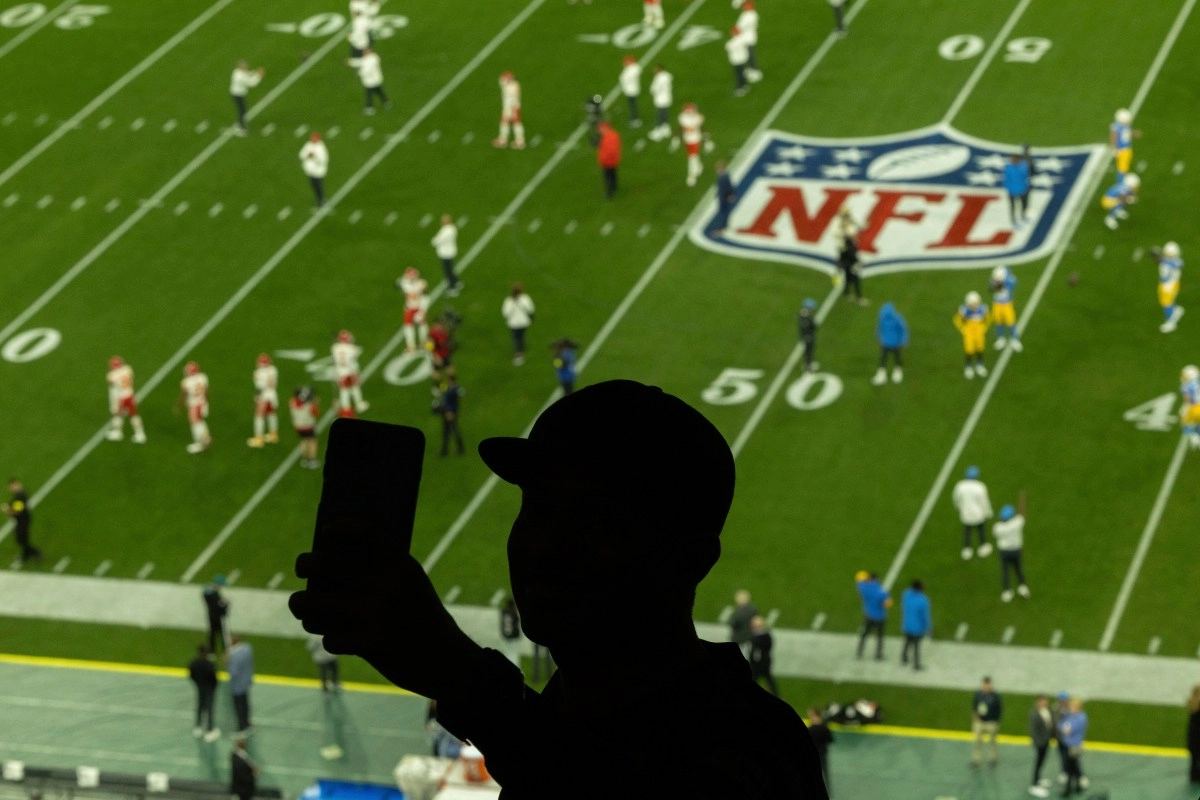
In Sao Paulo, the NFL debuted with a Week 1 game in 2024 between the Philadelphia Eagles and the Green Bay Packers, a duel that ended in a 34-29 victory for the Philadelphia Eagles. A year later, the Los Angeles Chargers defeated the Kansas City Chiefs, the reigning champions at the time, 27-21. Both games were played on Fridays, just after the season kickoff.
By 2026, the landscape will be different. Due to the Sports Broadcasting Act of 1961, the league will not be able to schedule a Friday game during Week 1. This regulation prevents the NFL from broadcasting games within a 75-mile radius of college or high school football games between September and December. Consequently, the exact date when Rio will host its first official game has not yet been determined.
The Maracana Stadium, with a capacity of more than 70,000 people and a history tied to the greatest moments of world soccer, will be the venue for this new chapter. Regularly home to the Brazilian national team, Flamengo, and Fluminense, the stadium will now have the challenge of adapting to professional American football.
Internationalization has become a strategic axis for the NFL. In 2025 alone, the league has scheduled seven matches outside the United States, including games in London, Frankfurt, and, for the first time, Dublin. The Rio de Janeiro event, in addition to expanding its presence in Latin America, confirms that interest in the sport continues to grow in non-traditional markets.