

Sabrina Carpenter rejects the use of her music by the White House and it responds
The singer is known for being an advocate for LGBTQ+ rights and for her opposition to U.S. deportation policies.
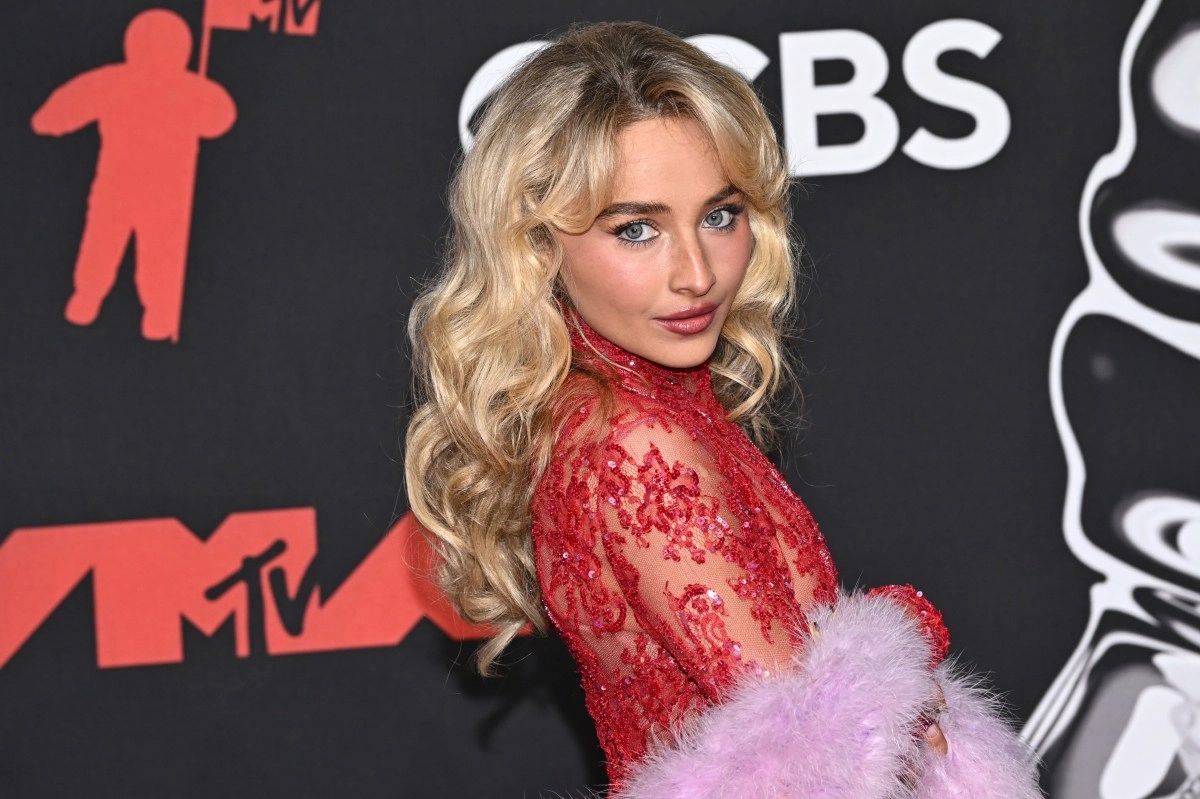

The White House defended its U.S. immigration policy after Sabrina Carpenter criticized the use of her song "Juno" in an official video released on social media. The incident became a trending topic as one of the most talked-about celebrity-government controversies of the week. In a statement to Newsweek, spokeswoman Abigail Jackson said the administration would not apologize for deporting “dangerous illegal murderers, rapists, and pedophiles,” linking the message to the lyrics of the single “Manchild.” The response became an example of direct political rhetoric and tensions between the White House and pop artists. The controversy adds to a long list of criticisms of the political use of music in campaigns and government. In recent months, the White House has used songs by artists who publicly oppose the president, reinforcing the debate about copyright in political content and the relationship between pop culture and government decisions. The official video showed scenes of ICE raids with arrests amid the intensification of mass deportations ordered by Trump, while “Juno” played. Carpenter called the post “evil and disgusting,” insisting that she does not want her image associated with immigration enforcement or official political campaigns.
Escalating tensions between pop music and political use on social media
Carpenter stated in X that she would not accept her work being used to promote what she describes as “inhuman” interests. The criticism went viral among fans concerned about the reach of ICE in the United States and the use of artists as political tools in government digital content.
The singer has addressed political issues in the past. After Trump's victory in November, she sent a message to her fans lamenting the state of the country, which strengthened her image as an active figure in debates about social rights and youth mobilization in politics.Billboard highlighted her stance as part of artists' participation in national discussions. Carpenter is also an advocate for LGBTQ+ rights, reinforcing actions through live performances and public messages. During her performance at the VMAs, her dancers carried signs with slogans like "Protect Trans Rights," which became a symbol of activism in pop music and visibility for the transgender community. In an Instagram story, she asked her followers to donate to the National Immigration Law Center amidst federal raids, positioning the artist within the anti-deportation activism and the movement for immigration reform in the United States. Teen Vogue highlighted her participation as part of this digital trend. Former federal prosecutor Joyce White Vance praised Carpenter's response, calling it "perfect handling," while journalist Yashar Ali noted that the White House frequently uses popular songs thanks to Instagram features. This emphasis reignited the debate about political digital strategies and government social media campaigns. The White House did not remove the post despite public criticism, solidifying the case as a new confrontation between the federal government and influential artists, amid growing tensions over political communication and pop culture.amid growing tensions over political communication and pop culture.