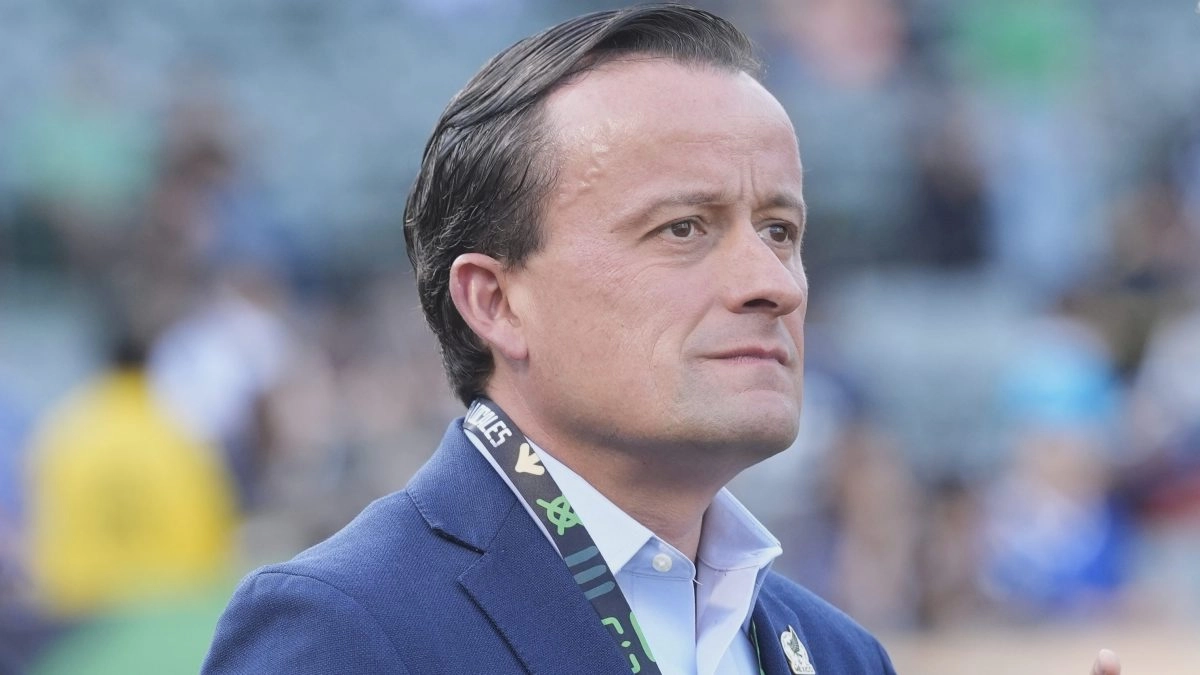

The Mexican managers, despite the fact that the project proposed by Gianni Infantino to open the door to external investment endangered the autonomy of FIFA and the transparency of the tournaments, preferred to postpone their position.
The group headed by Mikel Arriola, knowing full well the commercial and television interests that the Televisa company has with FIFA, preferred to hold out and wait for the line from the high command of those who have historically controlled soccer decisions in Mexico.
But once the cancellation of the project by Gianni Infantino was finalized—under the romantic argument that football should maintain its autonomy and not be tempted by large economic interests—the Aztec managers had no choice. They had to immediately join the signing of the document where the 41 countries affiliated with Concacaf showed their joy because the president of FIFA took a step back.
The story of a historical repudiation
The entire series of events that led FIFA to withdraw its famous commercial privatization project from the table did nothing but fan the hornet's nest worldwide.
Last Wednesday, FIFA announced its intention to sell 20% of FIFA Forward Enterprise (FFE), the new subsidiary it was seeking to create to manage the organization's commercial operations and events, such as the World Cup, its main product.
The project received a severe setback on Thursday with the refusal of UEFA - cradle of the winners of 13 World Cups held since 1930 - which warned that its national federations would not participate in FIFA competitions if the proposal was maintained.
On Friday, cornered by pressure, Infantino announced in a statement that the entity was giving up its intention to create said subsidiary after "listening carefully to all parties."
Concacaf exhibits bad leadership
After the brake, Concacaf thanked the media for bringing the issue to light and reminded FIFA that it is not a private company, but an organization that must act for the benefit of its members.
The regional confederation was blunt in pointing out that this unilateral act is a symptom of a leadership that stopped prioritizing sport, calling it a flagrant act of mismanagement that requires a thorough analysis of Infantino's presidency.
In the end, with its hands tied by international pressure and the forcefulness of its regional neighbors, the FMF had no choice but to sign a text that celebrates that football remains in the hands of football and not of a single individual.