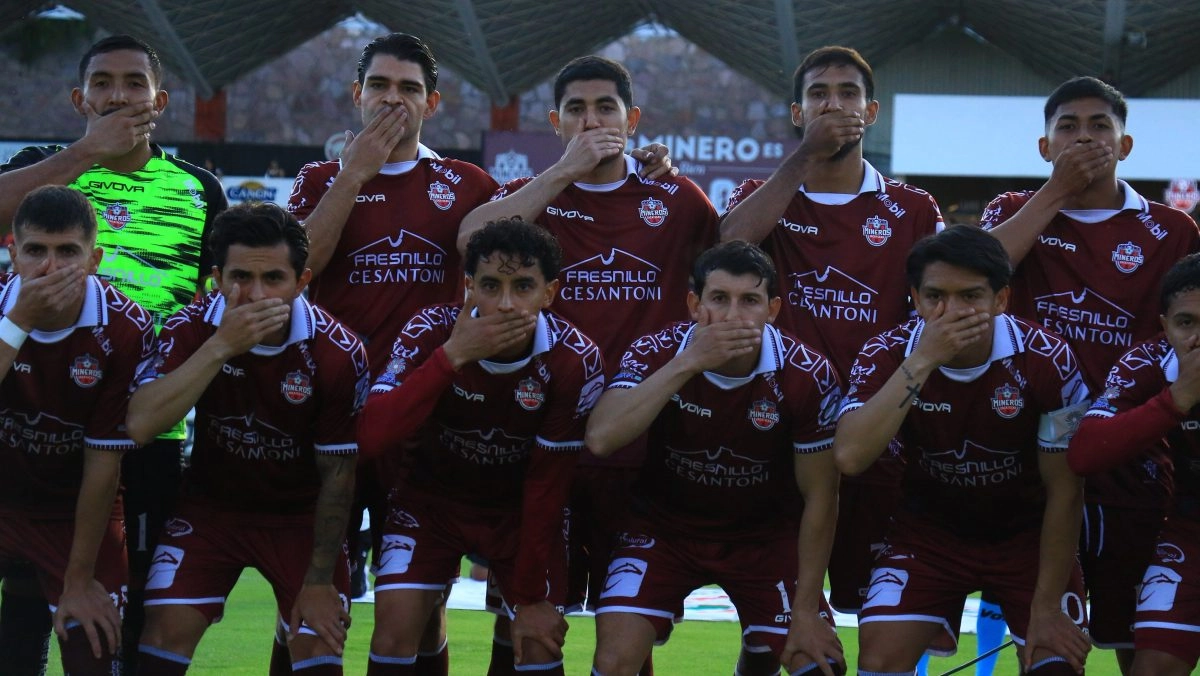

The economic interests of the Puebla and Chivas boards, and the commitments of the television stations, were stronger than the wisdom of postponing the second half for a few minutes to protect the physical integrity of the footballers and the show itself.
In the end, no one wanted to sacrifice a single peso to let the tremendous storm that hit Angelópolis pass, a decision that ended up freezing the performance of both squads and made it impossible to break the final 1-1 tie.
Liga MX's position radically contrasts with recent international standards. Unlike what was seen in the 2026 World Cup, where the electrical storm protocol was activated without hesitation in several matches played in Mexican territory, at the Cuauhtémoc Stadium the story was very different.
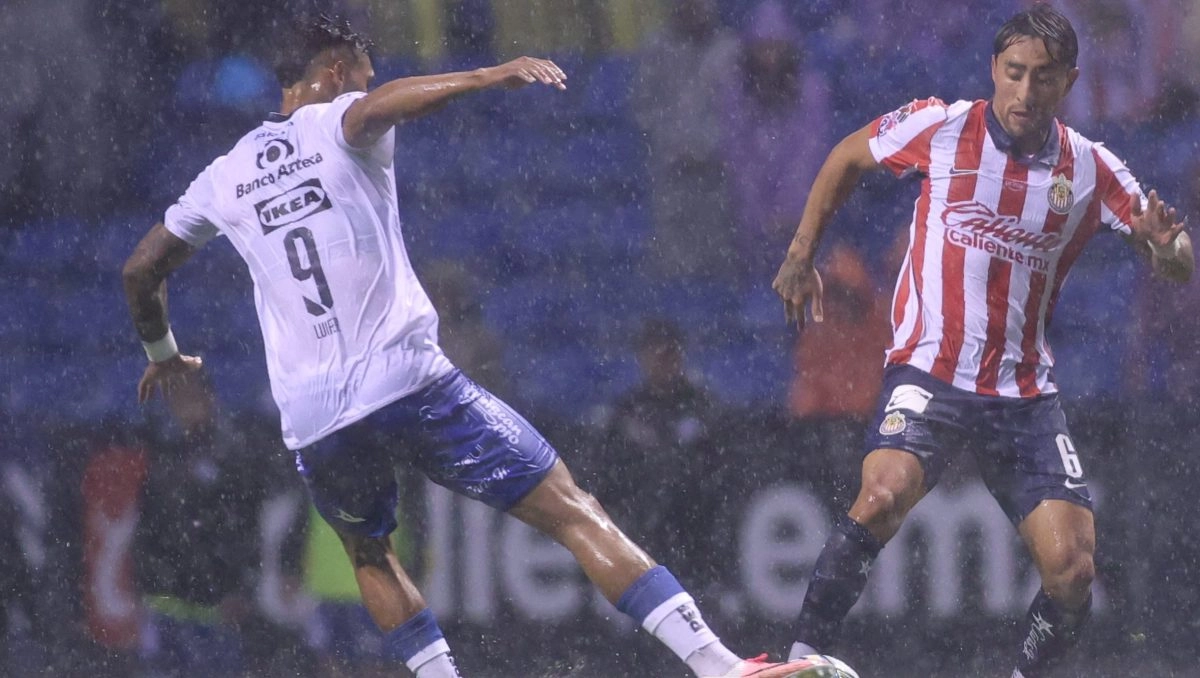
In the midst of a torrential downpour seasoned with thunder and lightning, both people from Puebla and Guadalajara were forced to battle for nearly 30 minutes under infamous conditions that completely altered the movement of the ball and the dynamics of the game.
La Franja hit first, taking advantage of the carelessness
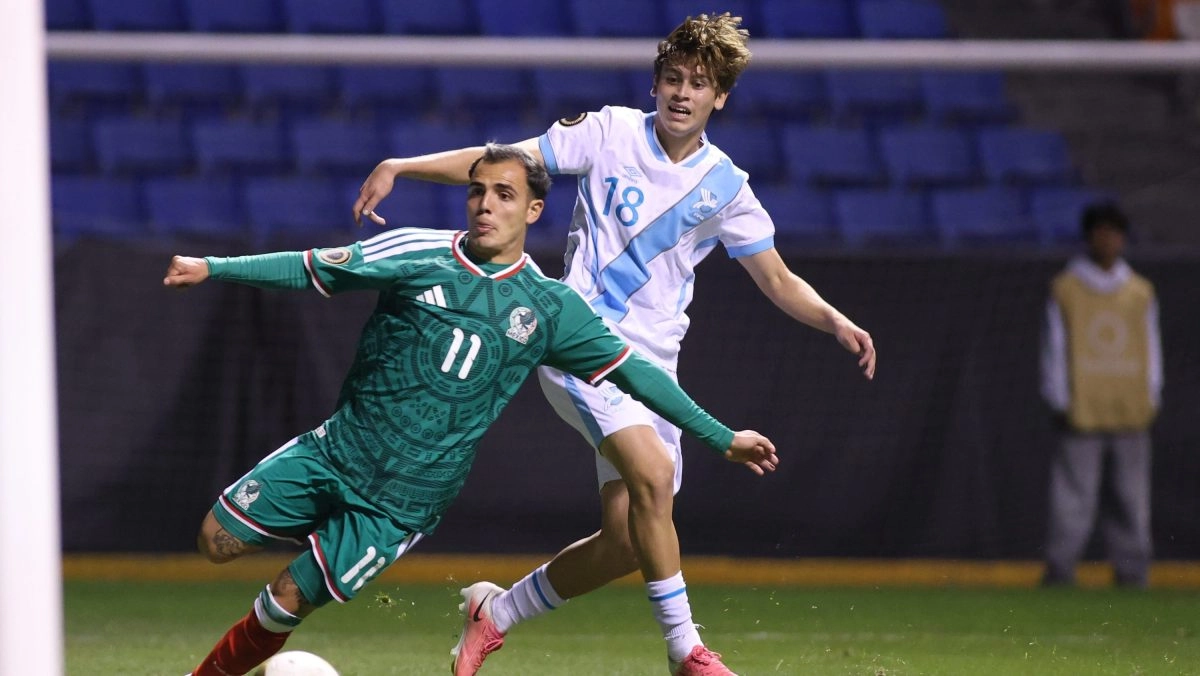
Even before the sky fell on the Maravillas neighborhood building, the match offered interesting passages and a high-intensity round trip. The scoring opened at minute 25 thanks to the liveliness of Eduardo Mustre.
The play was born from a great individual action by the Uruguayan Emiliano Gómez, who created a dangerous run down the left sector; When sending the cross, the red and white goalkeeper Raúl “Tala” Rangel missed the cut and left the ball alive in the six-yard box, a gift that Mustre did not forgive to push the score to 1-0.
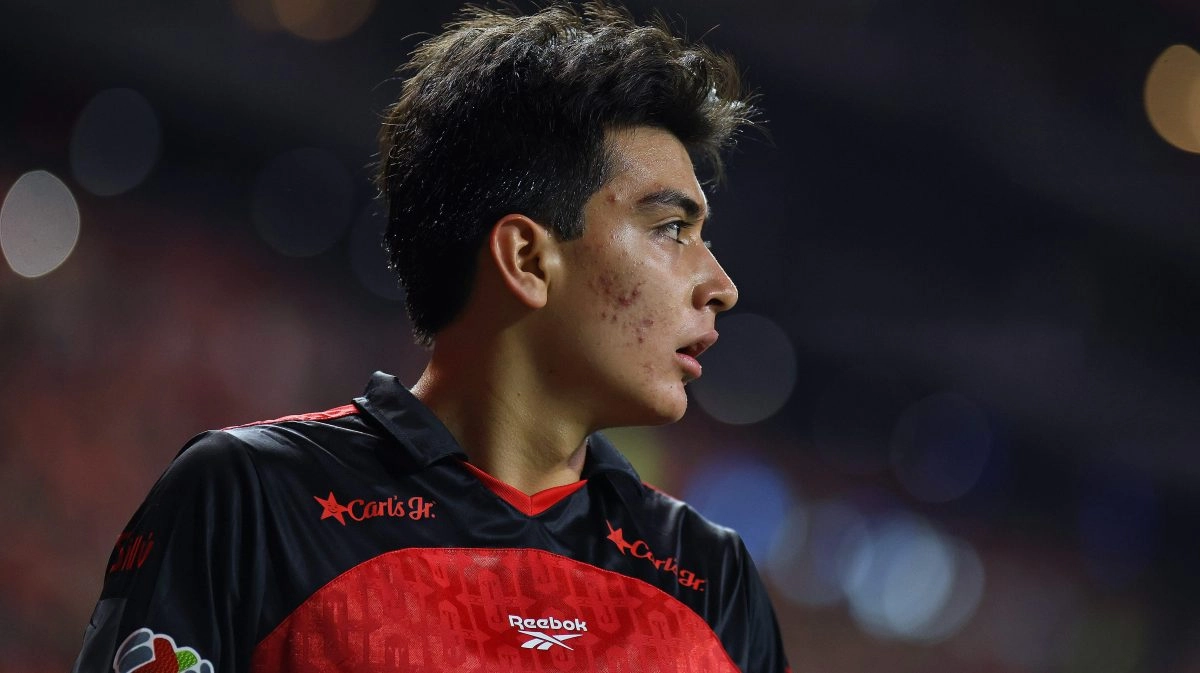
The blow to pride seemed excessive for what was shown on the court. Chivas had not stopped trying, but the flagrant lack of aim of its attackers - where men like Jordan Carrillo, Brian Gutiérrez and Armando González forgave the rival goal - allowed those led by the Strip to seriously put them against the wall during the first half. The roar of the 'Piojo' and the chaos of the water For the complementary part, Guadalajara jumped onto the field of play with a different disposition and with the firm motto of eating the ball. Hunger paid dividends very quickly: in the 63rd minute, Roberto “Piojo” Alvarado scored an authentic goal.
The national team hooked from the right wing towards the center, entered the area with determination and took a tremendous cross shot that left the local goalkeeper with no options, declaring the 1-1 score that lit up the stands.
A great goal from “Piojo” Alvarado, how the Mexican fans would have liked it if that same talent for hitting the ball had illuminated them in the recent World Cup duel against England, where it seemed that the ideas on the field had hardened for the Chivas attacker and the rest of the national teams.
Unfortunately, good football was drowned right there. After the chiverío scored, the storm intensified to the point of saturating the drainage of the playing field. The last 25 minutes were an eventful process, with the players more concerned about getting the ball to roll on a grass that was about to become waterlogged than about creating danger.
The priority shifted to trying to avoid muscle or ligament injuries, common when the surface becomes fast and the sweeps become uncontrollable.
With this result conditioned by the weather and finances, Chivas added one point to reach four units in the tournament, exactly the same harvest that Puebla has. Both teams remain tied in the middle of the general table, occupying the sixth and seventh steps of the classification.