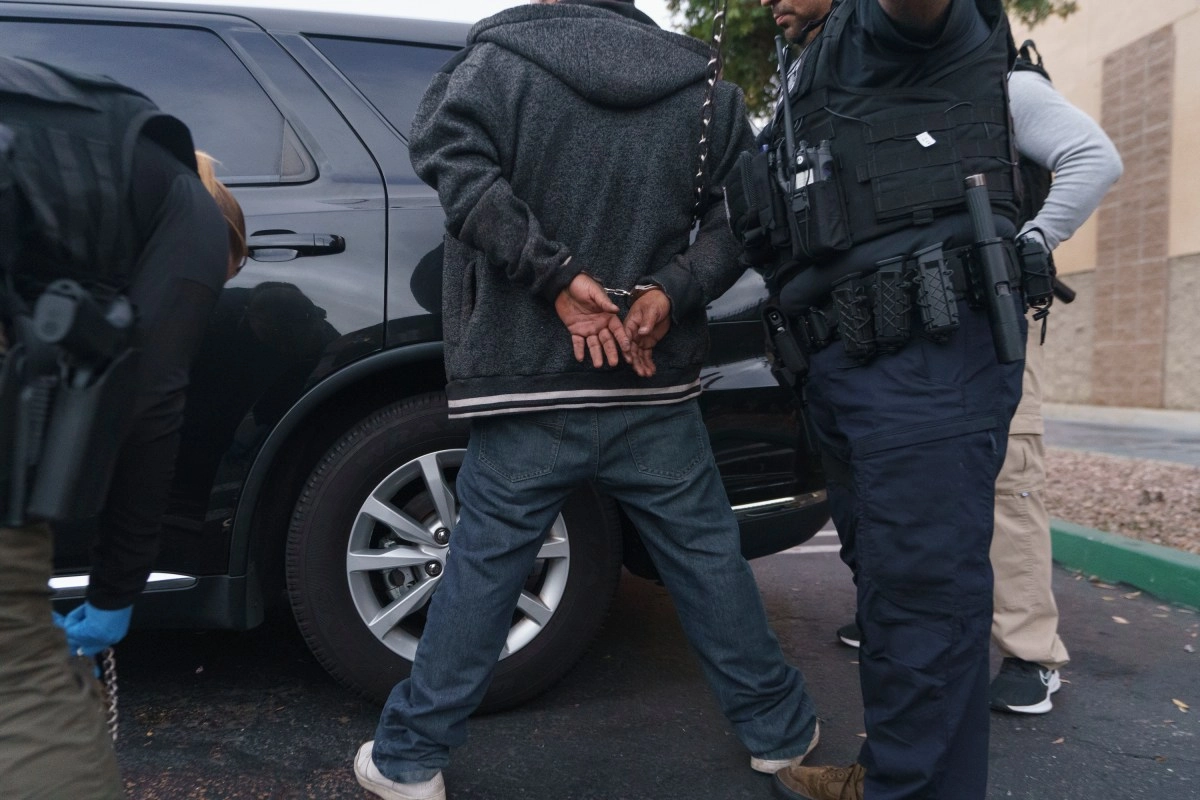

In Florida, many migrants have stopped driving for fear of being detained by authorities, even when they have legal status in the country. The risk of being intercepted during a traffic stop has become a daily threat, forcing hundreds of families to modify their routines to stay safe.
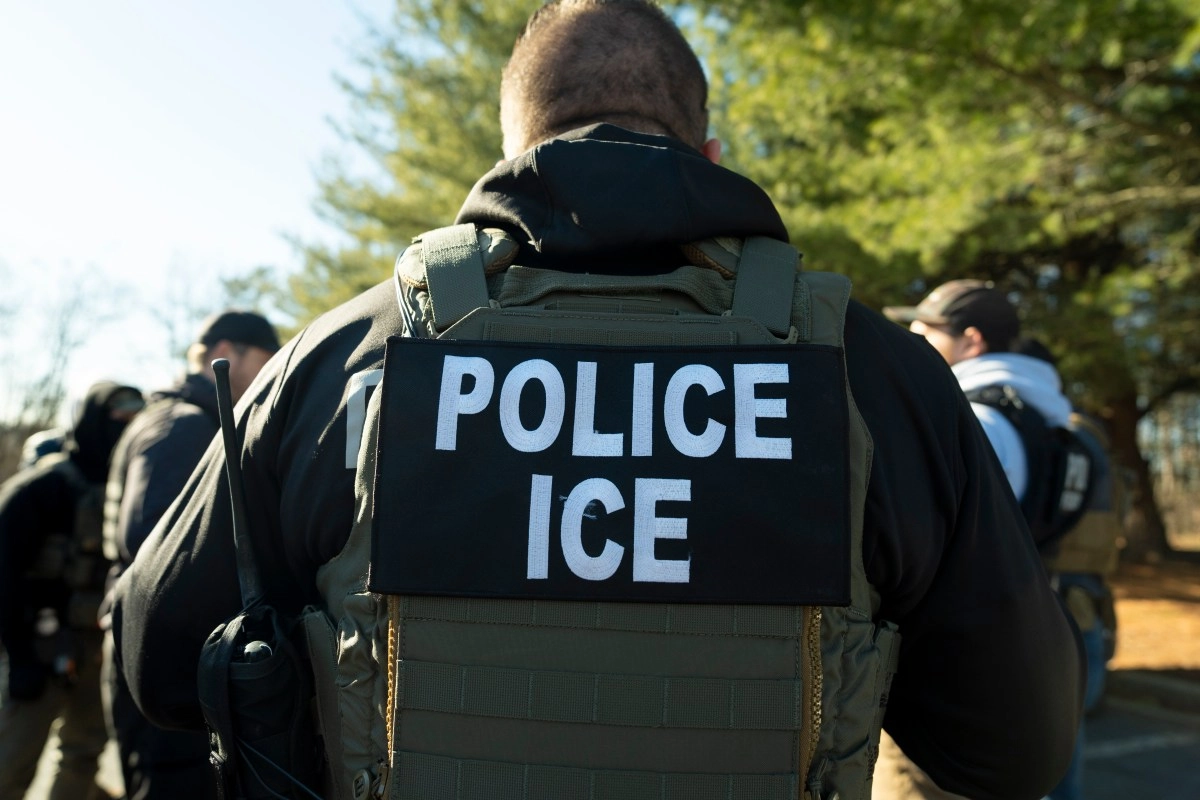
According to VPM, through its journalist Jasmine Garsd, this environment of fear and self-censorship in communities like Tampa, where trips to work, church, or the supermarket involve strategic decisions to avoid attracting the attention of the Highway Patrol or ICE.
The new unwritten rules to avoid arrests
Garsd documents how parishioners of an evangelical church in Tampa wait outside the temple for trusted American citizens to transport them home. Among the precautions taken, some simple but revealing measures stand out: not carrying Spanish-language stickers or advertisements in their cars, avoiding music in that language, and preferring English-language or country radio stations. It has also become common for migrants to try to travel accompanied only by people with legal documents, as a way to minimize their risk in case of being detained. Some even avoid driving white work trucks or wear civilian clothes instead of cleaning or construction uniforms, so as not to be identified as migrant workers. These decisions, although informal, have become part of a code of conduct that circulates by word of mouth in the communities. Entire families have opted to stop driving altogether, halting work activities for fear of raids or arrests during vehicle checkpoints.
A Growing Climate of Surveillance and Fear
The context surrounding these decisions has hardened following new powers granted to the Florida Highway Patrol, which can now stop drivers based on their immigration status. As analyst Adam Isaacson of the Washington Office on Latin America warns,This practice reflects an attempt to expand the border surveillance model nationwide. Isaacson states that nearly 100,000 officials, including local police, federal agents, and members of the National Guard, are involved in some way in immigration enforcement. This expansion of the surveillance apparatus has limited the mobility of entire communities, impacting their economy and daily lives. In that same report, the case of a Colombian immigrant is described who prefers to travel 22 hours by train from New York to Florida to attend his immigration hearings, avoiding airports for fear of being detained.
Although he has parole and a work permit, his fear reflects the climate of mistrust and harassment that many people face, even those with legal proceedings underway.
Continue reading:
ICE lawyer resigns due to disagreement with actions against undocumented immigrants
Iranian father arrested in presence of his son and outside a school
Trump doubles down on mass deportations that Americans reject