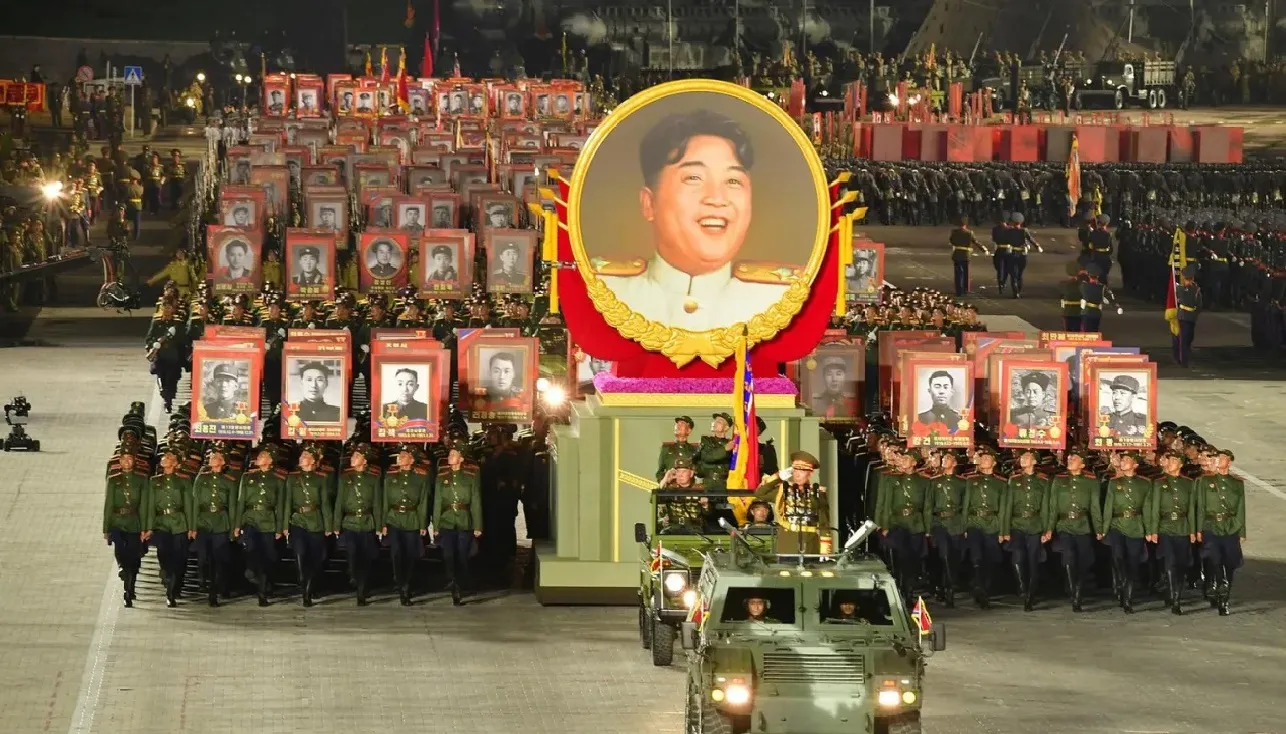

In a significant move underscoring his commitment to military modernization and accountability, North Korean leader Kim Jong-un has initiated a major reshuffle of the country’s military leadership. This decision comes in the wake of a failed launch of a new 5,000-ton Choe Hyon-class destroyer, an incident that has been publicly condemned by Kim as a “criminal act” resulting from “absolute carelessness” and “unscientific empiricism”.
Failed Launch Sparks Leadership Changes
The failed launch occurred on May 21, 2025, at the Chongjin Shipyard, where the destroyer capsized during a sideways launch, leaving it partially submerged and damaged. The incident was witnessed by Kim Jong-un himself, who expressed deep dissatisfaction with the mishap. In response, several high-ranking officials, including the chief engineer, head of construction, and administrative manager of the shipyard, were detained. Additionally, Ri Hyong-son, deputy director of the munitions industry department, was arrested and deemed largely responsible for the accident.
Comprehensive Military Reshuffle
Following the incident, Kim Jong-un chaired an expanded meeting of the 8th Central Military Commission of the Workers’ Party of Korea. During this meeting, significant changes were made to the military’s leadership structure. Six new corps commanders were appointed, along with new directors for the Artillery and Security Departments. These appointments are seen as part of Kim’s broader strategy to reinforce the roles of party organizations in implementing central military strategies and to enhance military preparedness through frequent firing contests that simulate real combat conditions.
Implications for Naval Modernization
The failed launch of the Choe Hyon-class destroyer represents a setback in North Korea’s efforts to modernize its navy. The Choe Hyon-class is the first surface vessel in the Korean People's Navy to be equipped with a phased array radar and a vertical launching system, marking a significant advancement in the country's naval capabilities.
Despite the failure, analysts believe that this incident will not deter North Korea’s naval ambitions, particularly its push toward a blue-water navy integrated with its broader nuclear capabilities.Public Accountability and Transparency
In a rare move, North Korean state media openly reported on the failed launch and the subsequent arrests, signaling a shift towards greater transparency in handling internal failures. This public acknowledgment is unusual for the regime, which typically conceals incidents that could be perceived as signs of weakness or incompetence. Analysts suggest that this transparency may be aimed at reinforcing discipline and control within the country’s military-industrial sector .
A Commitment to Strengthening Military Capabilities
North Korea’s swift response to the failed destroyer launch, including the overhaul of its military leadership, underscores Kim Jong-un’s unwavering commitment to strengthening the country's military capabilities. By holding officials accountable and implementing structural changes, Kim aims to prevent similar incidents in the future and to advance North Korea’s military modernization efforts. As the country continues to face international scrutiny and sanctions, these developments highlight the regime’s focus on reinforcing its defense capabilities and maintaining internal discipline.