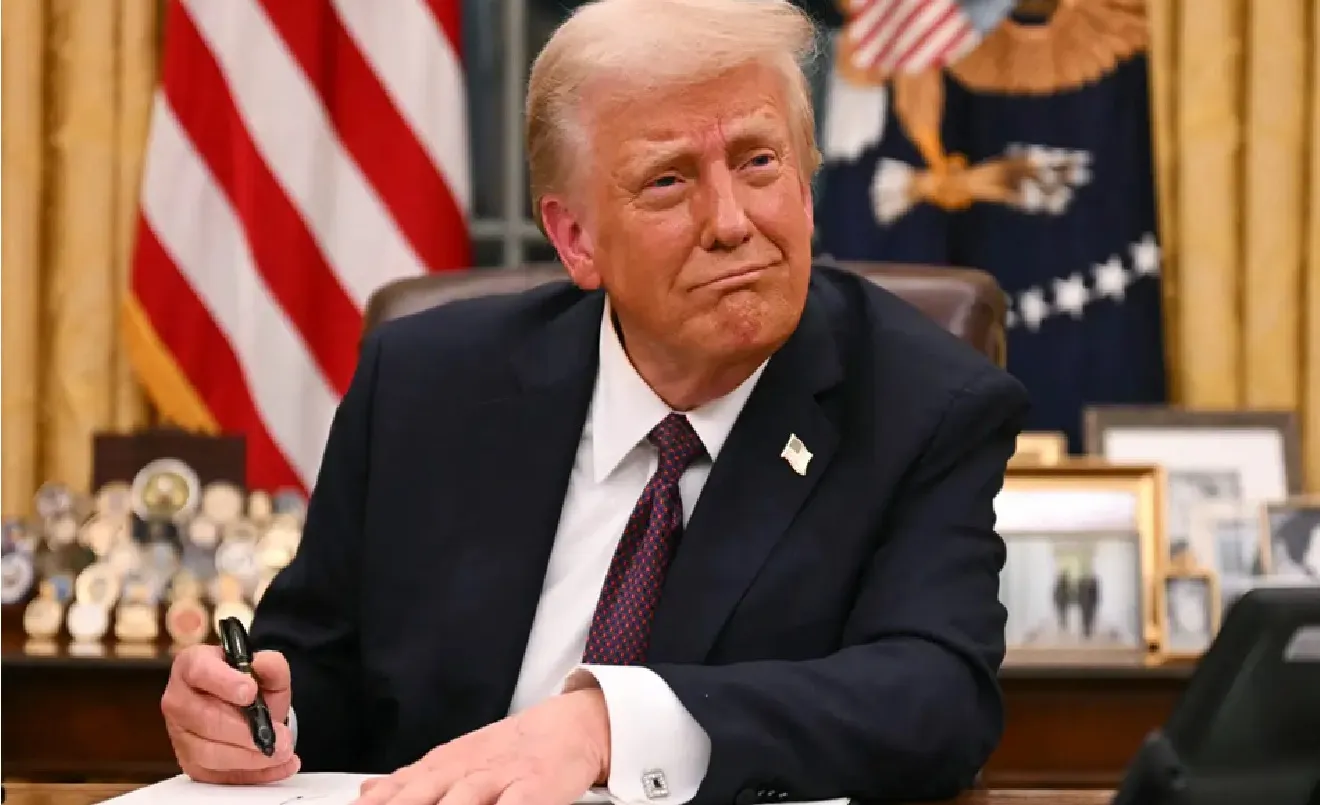

The Court will not directly decide the legitimacy of the executive order this week. Instead, it will examine the legal mechanics surrounding the lawsuits filed to halt the policy. At the core are three critical cases brought by civil rights groups, aiming to block the order’s enforcement and protect children born to undocumented immigrants or those holding temporary visas.
Federal judges in Maryland, Washington, and Massachusetts have already ruled against the order, stating that the president cannot override the Constitution by decree. These rulings imposed a temporary nationwide ban while the broader constitutional battle unfolds.
What’s at stake now is whether lower courts had the authority to block Trump’s executive order across the entire nation. The justices — with a 6-3 conservative majority — will weigh in on who can file a lawsuit, under what conditions, and whether a court’s ruling should protect just the plaintiffs or extend to everyone potentially affected.
Daniel Galindo, an attorney with the ACLU’s Immigrants’ Rights Project, emphasized that the outcome could impact not only this case, but dozens of others filed against the administration. “The Administration’s arguments are part of a strategy to limit access to justice, to hinder attempts to stop its agenda,” Galindo noted. “This will be a great moment for the country, where it will be seen whether the laws and the Constitution will be followed.”
The government is pushing for a narrower interpretation — urging that rulings only apply to the individuals or groups named in the lawsuits. If the Court agrees, Trump’s administration could implement the order for millions of others not included in the original cases. This scenario may prompt a wave of class-action lawsuits to collectively challenge the policy.
Trump’s order creates a new and highly controversial exception to the 14th Amendment, which states: “All persons born or naturalized in the United States, and subject to the jurisdiction thereof, are citizens of the United States and of the State wherein they reside.” Historically, only children of diplomats and foreign soldiers stationed on U.S. soil are exempt — and the latter rarely applies today.
By introducing a third exception — targeting children of undocumented migrants and visa holders — Trump’s decree seeks to rewrite a foundational principle of American citizenship. Currently, more than thirty countries follow a similar practice of granting citizenship based on birthplace, and any shift in U.S. policy would echo across global and domestic legal frameworks.