
According to a report published this week by UCLA Anderson, before observing economic growth for the second half of next year, the coming months will show the state of California exhibiting large economic gaps between areas affected by tariffs and a lack of migrant labor compared to those benefiting from venture capital spending.
In this regard, Jerry Nickelsburg, the senior economist in charge of the forecast, noted that “California has now entered another bifurcated economic phase, not between East and West, but between AI, the aerospace industry and the like, and the rest of the economy,” he said. The research highlights that the strict immigration policies implemented by the Executive branch are reducing job opportunities in several California counties in areas such as agriculture, construction, leisure, and hospitality. According to Nickelsburg, communities that experience a significant population loss due to immigration policy tend to be communities where the unemployment rate for those who remain increases, “housing prices fall, and incomes decline,” he notes. Another affected sector is the real estate market, not only due to the lack of labor, but also due to the increased prices of construction materials from China, Mexico, and Canada, which are affected by high tariffs. The report's developers indicated that the housing construction sector is currently... The report highlights that the sector is in a stagnant situation, evidenced by the continued depression in sales volume of detached single-family homes and the ongoing increases in average prices. However, hiring has rebounded somewhat in Los Angeles and Orange counties and other areas that have benefited from investment. According to the report, 70% of all U.S. venture capital spending went to the state, and seven of the top 10 national investments were made in California this year.
Job creation has not been as high as expected, as technology companies are being more cautious following the integration of artificial intelligence models. In this regard, it was estimated that AI-related capital expenditures will increase to approximately $250,000 this year.
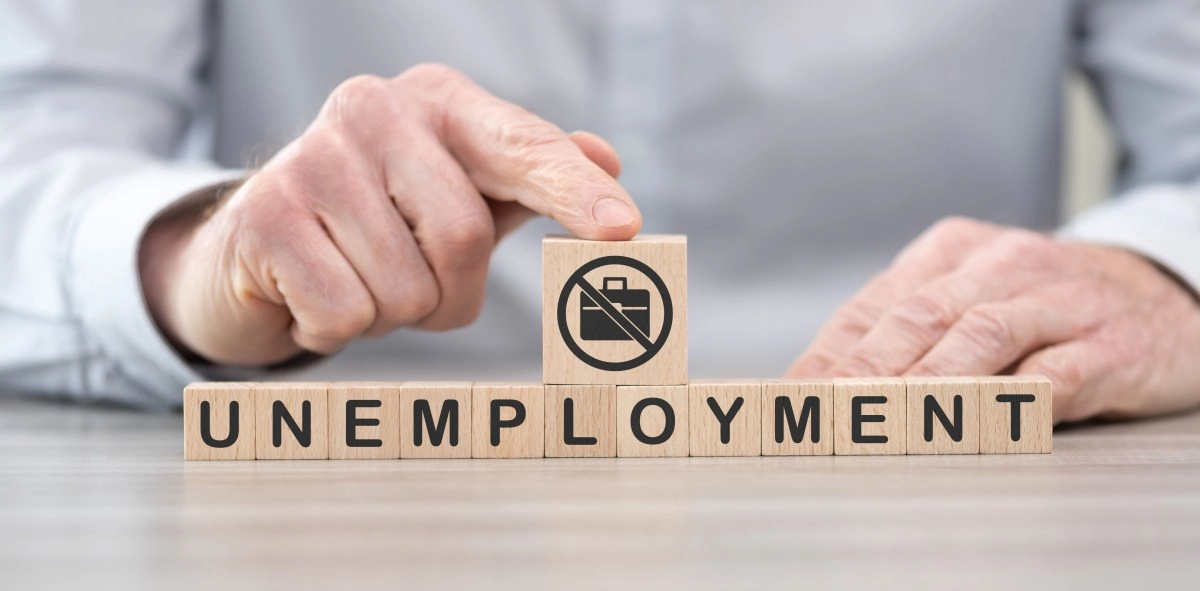
The report determined that, during the first eight months of the year, California lost 21,200 payroll jobs, registering an unemployment rate of 5.5% in August; however, the forecast indicates that it will increase to 5.9% in 2026.
Although the economy is benefiting from investment in AI, high tariffs and federal policies are weighing on the average Californian household. “We continue to live in a time of high economic uncertainty regarding the economic trajectory,” the report concluded.