
If it comes to fruition, specialists warn that the high cost would turn access to the US labor market into a privilege available to very few and would reduce the competitiveness of universities, technology companies and innovation centers that depend on international talent.
The Wall Street Journal reported that the initiative is still under analysis within the Department of Homeland Security (DHS) and does not yet have final approval from the White House.
A rate that could scare away international talent
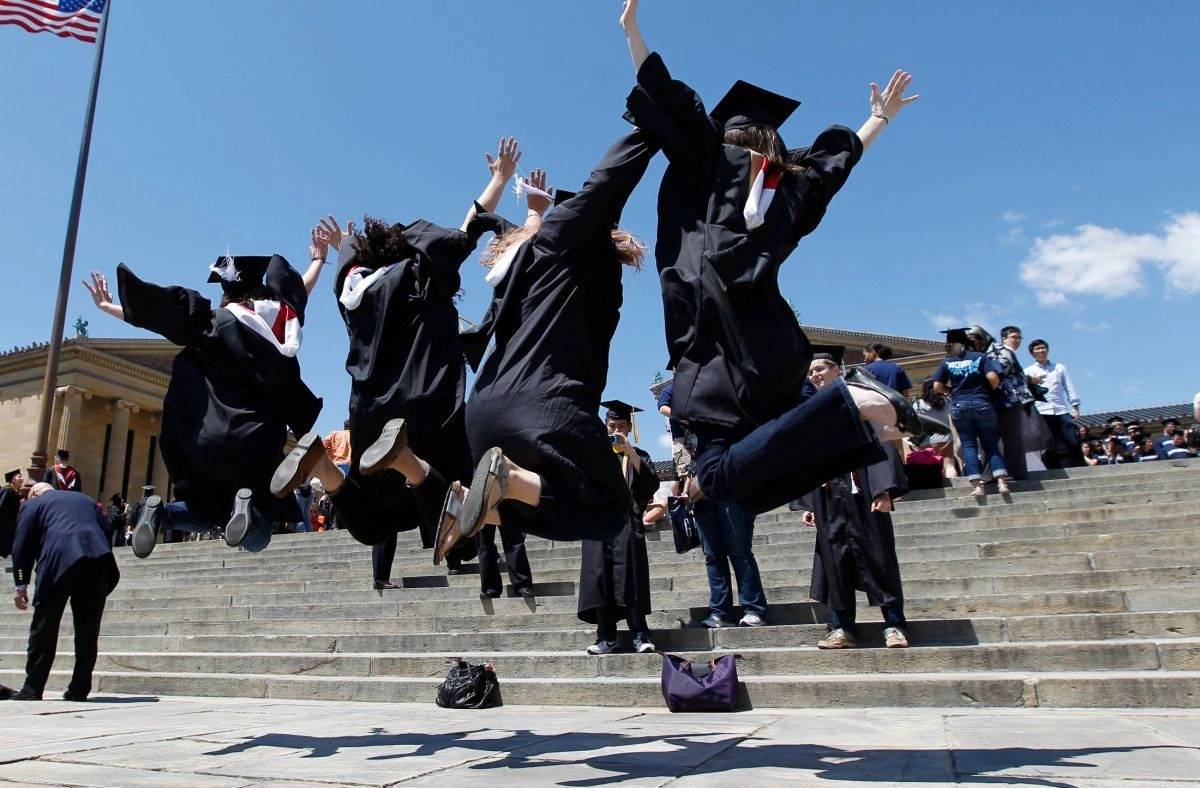
The OPT program allows foreign students to work for up to 12 months in the area related to their studies, while those who studied science, technology, engineering and mathematics (STEM) can extend that period by an additional 24 months.
However, the possibility of imposing a charge of $100,000 has raised alarms among universities, immigration lawyers and companies, which consider the proposal a serious blow to the country's competitiveness.
“The fee is still under discussion within the Department of Homeland Security and it is unclear whether the White House will approve it,” wrote Michelle Hackman in The Wall Street Journal. The journalist also pointed out that it has not yet been defined whether the payment would fall on students, universities or employers.
Experts assure that the measure would affect innovation
Various studies contradict one of the arguments used by those who seek to restrict these programs.
An investigation by the National Foundation for American Policy, prepared by economist Madeline Zavodny, concluded that “there is no evidence that foreign students participating in the OPT program reduce job opportunities for American workers.”
The analysis even found that regions with a greater presence of international students in STEM programs register lower levels of unemployment among highly qualified workers and generate more innovation, business creation and technological development.
The proposal is part of a series of restrictions promoted by the Trump administration towards foreign students, including changes in the rules of H-1B visas and new limits on the permanence of international students in the United States.
Although the initiative is not yet official, experts consider that a charge of $100,000 could cause thousands of young people to choose to study in countries with more flexible immigration policies, weakening the country's educational and technological leadership.