
Handling unsold food has become a topic of debate for supermarkets and retail chains, especially given the growing problem of food waste in the United States. In this context, Costco has received criticism from some consumers who claim to have seen how products from its food court end up in the trash when some stores close. The controversy arose after users on social networks shared testimonies about alleged discards of prepared foods that failed to be sold during the day, such as complete pizzas and other products from the food area.
What customers saw
On Reddit, some users claimed to have witnessed Costco employees throwing away prepared food at the end of the day. “I saw how they threw away entire pizzas at closing,” one consumer wrote on the platform. A user who claimed to work for the company responded that, in his experience, food that is not sold is usually thrown away, although he noted that normally the majority of prepared products manage to be sold during the day. These comments generated questions among customers who consider that leftover food could have another destination, such as donations or food aid programs.
The food area raises questions
The company has previously reported that it participates in food recycling initiatives and that some products, such as fruits, vegetables and bread, are given to organizations such as Feeding America. In addition, employees have pointed out that certain foods have other uses within the stores. For example, meat from unsold rotisserie chickens may be used in the preparation of some items in the deli section. However, there is no detailed public explanation of what specifically happens to leftover prepared foods in the food court.
Why doesn't Costco discount or give away the remaining food?
In the absence of an official position on this point, different theories have emerged among consumers and workers.
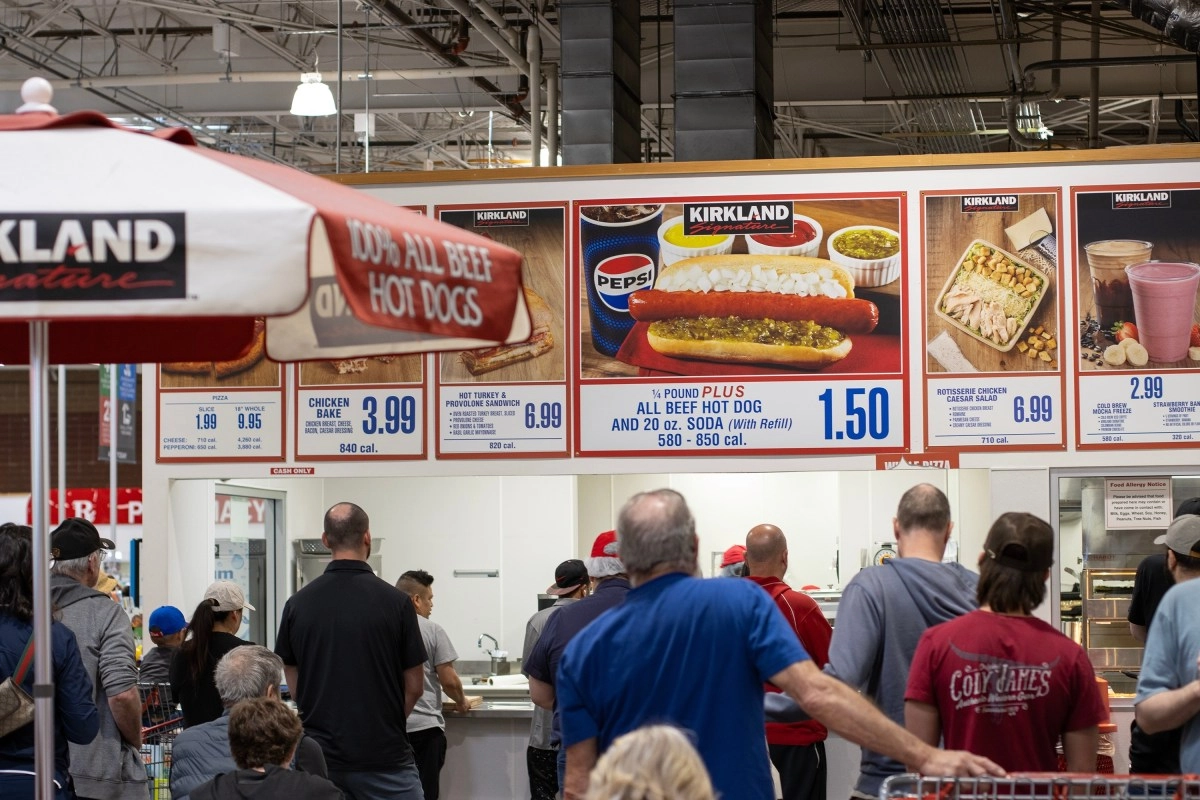
One of the most frequently mentioned explanations is that offering surplus products at reduced prices or for free could lead to operational problems. Costco's food court is known for its low prices, especially its famous $1.50 hot dog and soda combo, an offer the company has maintained for years despite its slim margins.
Some users believe that if customers knew they could wait until closing to get free or discounted food, it could change purchasing behavior and affect how the service works.
Contradictory testimonies
Although several consumers claim to have seen discarded food, other testimonies suggest that some branches do give surplus products to local organizations. A food bank volunteer claimed on Reddit that his local Costco donates leftover food court products, while an alleged employee noted that some stores are instructed to deliver surplus products to local shelters. These different accounts suggest that there may not be a completely uniform practice across all Costco locations and that the fate of the food could depend on each store.
State laws also influence the handling of leftover food
Another factor that could explain the differences between stores is local legislation. In states like Connecticut, California, Rhode Island, Massachusetts, and Vermont, there are rules that limit businesses from simply throwing away food that can still be used. In those places, businesses should look for alternatives such as donation, composting, or other responsible disposal methods. Therefore, if a consumer observes that a store throws away food in one of those states, he or she may not be seeing the entire process, since the waste could have another future destination.
Food banks do not always accept prepared food
While donating leftover produce may seem like a simple solution, there are also practical obstacles. Prepared foods from the food court, such as pizza or hot items, require special handling to ensure their safety. They must be kept under adequate temperature conditions to avoid the proliferation of bacteria. Many food banks have limited refrigeration space and prioritize perishable products that can be stored for longer periods of time. For that reason, some organizations do not accept hot or prepared foods that need immediate consumption.
The food waste debate continues
Costco's case reflects a broader challenge for the retail industry: finding a balance between avoiding waste, meeting health standards and managing operating costs. Although there are testimonies from customers and employees about the fate of unsold food court food, the company has not publicly detailed a specific policy for those products. As concern grows about food waste and its environmental impact, consumers continue to wonder what happens to the food left at the end of the day at one of the largest retail chains in the United States.