

CBP recognizes that Mexico cooperates more than ever on border security
Rodney Scott assures that the exchange of intelligence has strengthened the fight against illegal trafficking and immigration
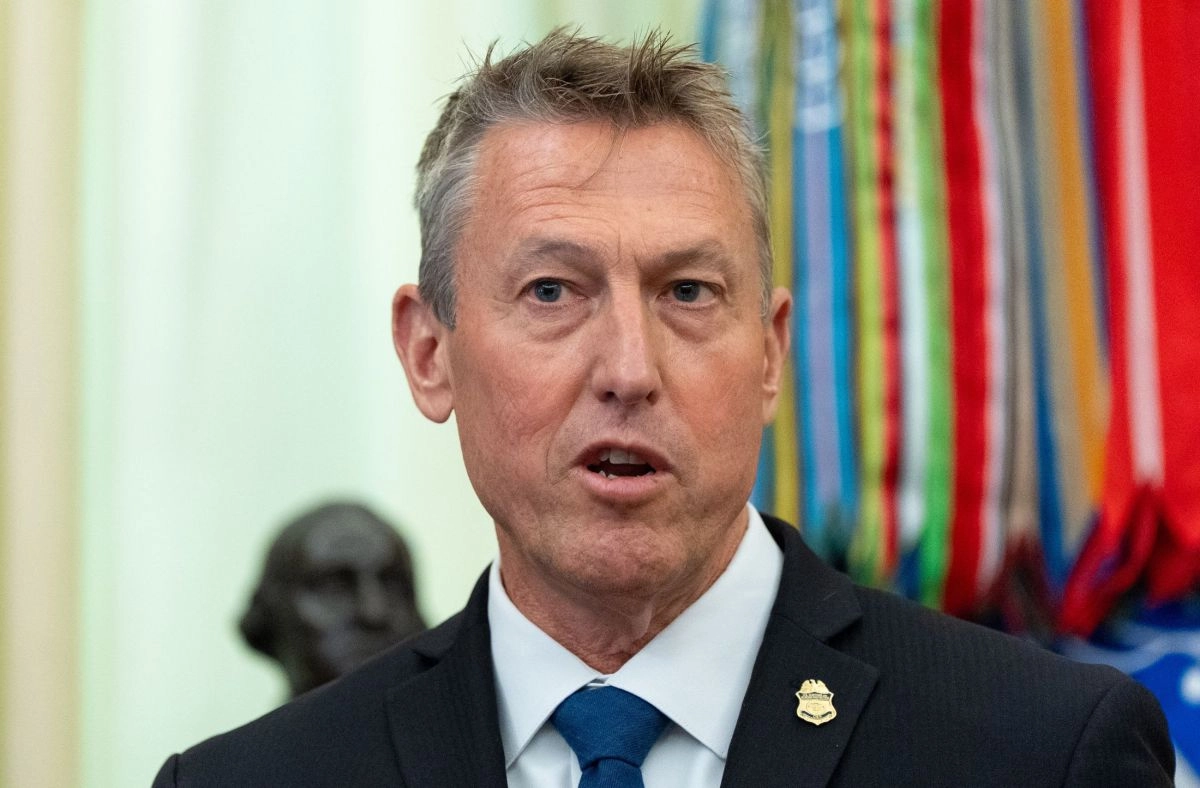

Despite the diplomatic and political disagreements that have marked the relationship between the United States and Mexico in recent months, the commissioner of the Customs and Border Protection Office (CBP), Rodney Scott, assured that cooperation between both countries on border security is going through one of its best moments.
During a speech at the Center for Immigration Studies in Washington, Scott affirmed that Mexican authorities are collaborating more than ever with the United States to confront challenges related to immigration, drug trafficking and the operations of transnational criminal groups.
“We are sharing information in a way we have never done before and we are actually getting results,” the official stated.
Scott's words draw attention because they contrast with the discourse that has predominated in the administration of President Donald Trump, whose officials have repeatedly criticized Mexico for considering its actions against cartels and fentanyl trafficking insufficient.
Intelligence exchange and fight against organized crime
As explained by the head of CBP, the strengthening of bilateral coordination has made it possible to more accurately identify changes in migratory flows and attack criminal organizations before their operations reach the US border.
Scott maintained that the current strategy goes beyond stopping migrants once they cross the border and seeks to act from the origin of human and narcotics trafficking networks.
“We are now addressing the root problem, rather than simply processing the undocumented immigrant after they cross the border,” he said.
The official added that Mexican cooperation has been key to obtaining better results in terms of regional security.
For its part, the Mexican Embassy in Washington highlighted that the coordination between both governments has contributed to reducing encounters with irregular migrants and seizures of fentanyl on the common border.
A relationship marked by recent disagreements
Last week, the US ambassador to Mexico, Ronald Johnson, accused the Mexican government of politicizing the fight against drug cartels. President Claudia Sheinbaum responded that those comments represented a lack of respect for the country's sovereignty.
In addition, the relationship was affected by tensions derived from the tariffs imposed by Trump on Mexico in 2025, as well as by various episodes linked to security investigations and anti-drug operations.
However, Scott's statements suggest that, at least in the operational field, cooperation between the agencies of both countries continues to advance.