

The data from your Social Security account statement that you should review
Reviewing your Social Security statement periodically can help you avoid mistakes that reduce your retirement benefits. We tell you what to check
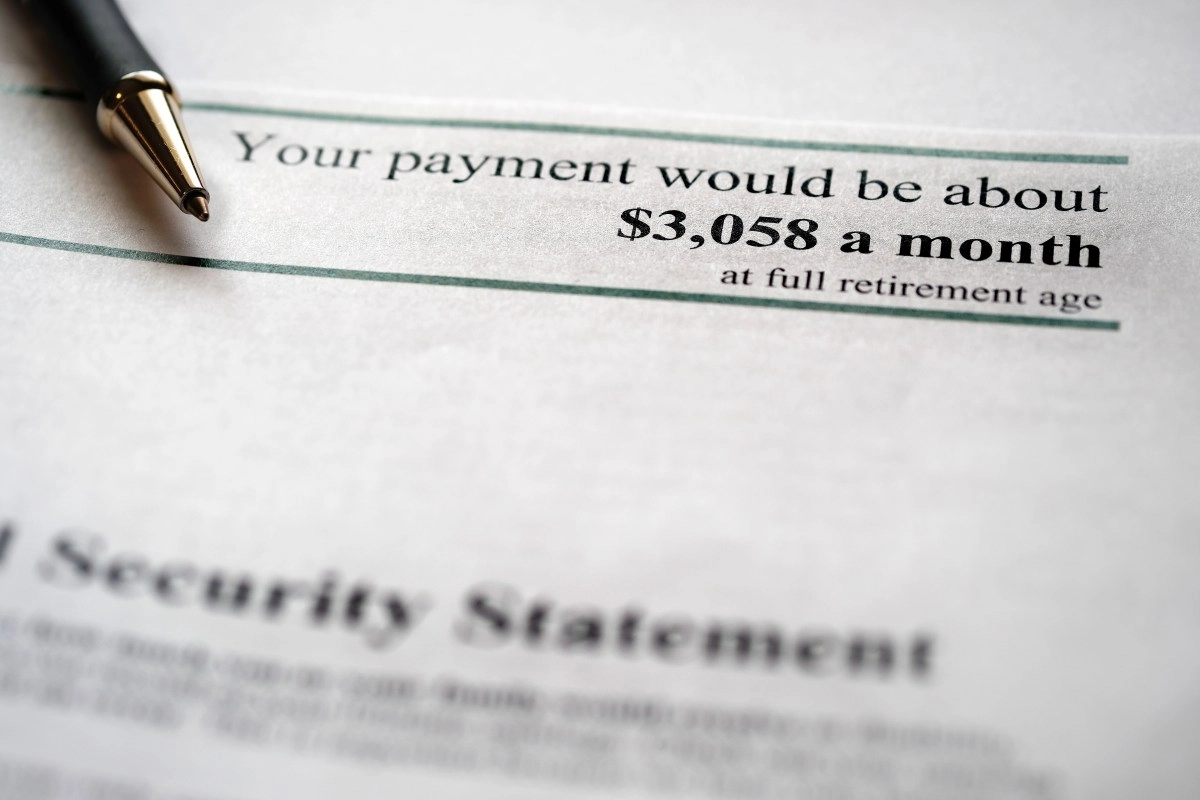

Many people are familiar with and frequently check their bank account balance or credit card status, largely as a way to avoid scams. But few spend a few minutes reviewing a document that can directly influence the money they will receive in retirement: the Social Security statement. This paper contains key information about your income, your future benefits, and even your eligibility for Medicare. Catching a mistake early could make a big difference in your finances when it's time to retire.
If you work in the United States and pay Social Security contributions, it is worth knowing what information appears in this document and why it is so important to review it calmly. An incorrect piece of information, such as a year of income that wasn't recorded, can translate into a lower monthly check throughout your retirement.
1. Check that your income history is correct
One of the most important sections of your account statement is your earnings history. The Social Security Administration (SSA) uses this information to calculate the amount of your retirement benefits.
The calculation is based on the 35 highest-earning years of your working life. If you miss a year of work or any of your wages were not reported correctly, your average will decrease and so will the monthly payment you could receive.
While a difference of about $100 a month may seem small, over the years that amount can add up to thousands of dollars less in retirement. For this reason, it is advisable to check that each year worked is correctly recorded and, if you find any errors, contact the SSA to request a correction.
2. Compare how much you would receive depending on the age at which you retire
The statement also includes an estimate of the benefits you could receive depending on the age you apply for Social Security. You'll find a chart that begins with benefits available starting at age 62 and continuing through age 70. This comparison helps you understand the impact of waiting a few years before applying.
For example, in some cases, waiting until age 70 can increase your monthly check by almost $1,200 compared to applying for benefits as soon as you become eligible at age 62. This difference can be decisive in covering medical expenses, housing or food during retirement.
3. Check disability and survivor benefits
Many people only look at the statement with retirement in mind, but the document also shows other important protections. If you meet the requirements, you will be able to find out the estimated amount you would receive if you were unable to work. Likewise, you will find an estimate of the survivor benefits that your family members could receive if you were to die.
This information can be of great help when planning your family's financial well-being and evaluating whether you have sufficient protection to face an unexpected situation.
4. Confirm how many years of work you have accumulated
If you are still several years away from thinking about retiring, this section can help you know if you have already accumulated the 35 years that the SSA uses to calculate your benefit or if you still have years without income that could reduce the average.
In many cases, working a few more years not only increases the number of years of contributions, but can also replace years with low income with others with better salaries, thus increasing future benefits.
5. Don't confuse the full retirement age
There's a notion that everyone retires at age 65, but that doesn't always align with Social Security rules. Your statement indicates your full retirement age, which for many people is 67 years old. If you apply for benefits before reaching that age, you will receive a permanently reduced monthly payment.
6. See how much you have contributed to Social Security and Medicare
The document also shows the total taxes you have paid to Social Security and Medicare throughout your working life. In addition to reflecting your own contributions, contributions made by your employer also appear. For many workers, this section gives a clearer idea of the money they have put into the system over years of work.
7. The statement also leaves an important warning
In addition to showing numbers, the document includes a reminder that many people overlook: Social Security benefits were not designed to be the only source of income in retirement.
For this reason, it is advisable to complement these resources with personal savings, retirement accounts, investments or any other income that allows you to maintain a more stable standard of living when your working life ends.
Start saving now regardless of your age, any dollar can be the difference in your retirement. Of course, keep in mind that the younger you do it, the greater the advantages you will have, even with small amounts.
8. Check if you already qualify for Medicare
Finally, the statement also informs you if you have accumulated the credits necessary to access Medicare when you turn 65. This information is especially useful because Medicare often becomes one of the main sources of health coverage in retirement. Knowing in advance if you are on the right track will allow you to better plan your next years.
As you may have noticed, the Social Security statement is not a useless piece of paper; On the contrary, the information contained in that document can be the difference between the retirement you want to have and the one you will have if you let mistakes pass and do not correct them in time. A glance from time to time will not take up much of your time and will give you greater peace of mind in your retirement.