
The president has faced a series of setbacks on issues both large and small; two of them are very important to him and one could define the fate of his political party during the final two years of his presidency.
From the failed attempt to renovate a monument in Washington and questions over his choice to lead the Justice Department to increasingly complicated efforts to end his conflict with Iran, the president has been grappling with difficult issues, many of his own making.
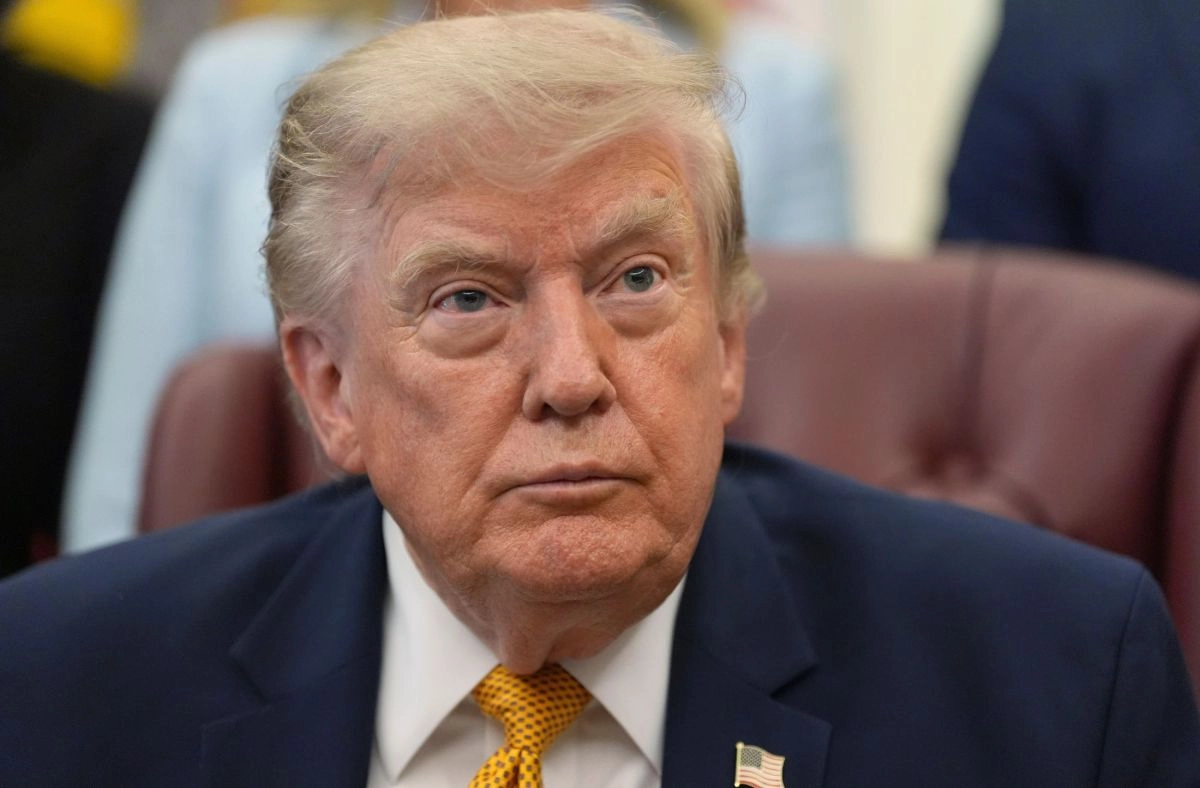
Trump's reaction is already known. The refrain from his first term, that the president creates his own reality with “alternative facts,” remains valid. He clings to his beliefs despite evidence to the contrary.
Unlike his first term, however, when many of his most notable conflicts were with dissidents within his own government, this time he has clashed even with those who have proven to be his most loyal allies.
On Friday, acting U.S. Attorney Jeanine Pirro, a former Fox News host and staunch Trump ally, asked to drop felony destruction of property charges against former Olympian David Hearn, whom federal prosecutors had accused of intentionally damaging the Reflecting Pool near the Washington Monument.
“The damage was a result of faulty installation and not an act of vandalism,” he wrote in a 20-page court document announcing his office's decision. He added that Hearn's prosecution was due to misleading information provided by the Department of Home Affairs.
Trump may accept alternative facts, but the evidence Pirro faced, which he would have had to defend in front of a potentially skeptical court, judge and jury, offered little support for his argument. So he dropped the case.
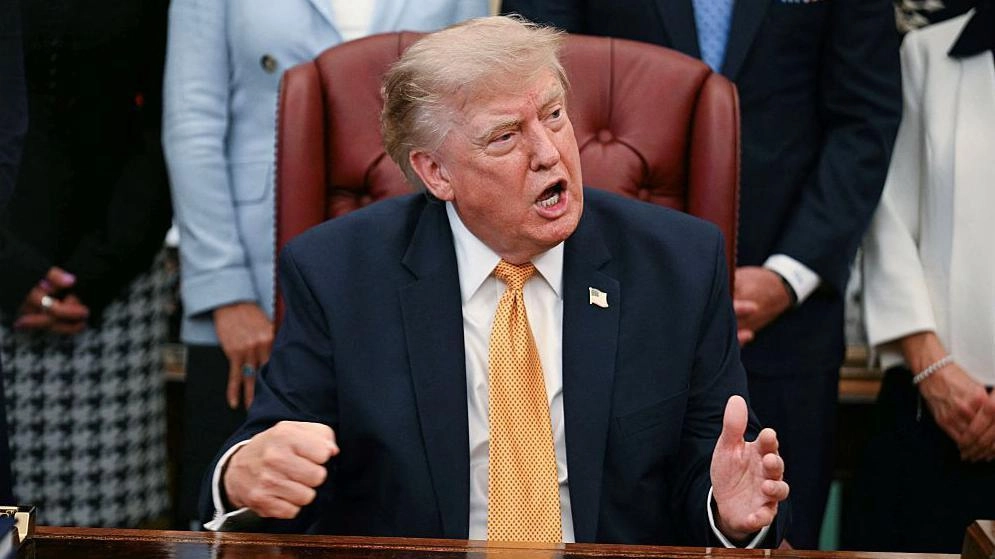
But the president had enthusiastically endorsed the vandalism theory and stuck to it. In a message posted on Truth Social on Saturday, he criticized Pirro's decision to drop the case, and he did so again from the Oval Office on Monday.
“It folded like an umbrella,” Trump said.
Accept political reality
If the reflecting pool case was an occasion in which Trump was forced to accept legal reality, on Capitol Hill he had to face an unpleasant political reality.
One of Trump's closest allies, his former criminal attorney Todd Blanche, was facing strong resistance in his bid to permanently become attorney general.
Two Republican senators, John Cornyn of Texas and Thom Tillis of North Carolina, had joined Democrats in blocking Blanche's nomination. They demanded that he submit a letter formally renouncing any attempt to revive the proposed $1.8 billion fund, intended to compensate people who claimed to have been the subject of politically motivated lawsuits.
Tillis described it as a “cash box for criminals,” amid concerns that it could be used to compensate people prosecuted for the assault on the Capitol carried out by Trump supporters in 2021.
In another post on Truth Social on Saturday, Trump wrote that he would keep Blanche as acting attorney general and would push hard for Congress to pass a law authorizing the creation of the fund.
“It will immediately be back on the table and I will move it forward,” he wrote, implying that regardless of the outcome of Blanche's nomination, Trump is unlikely to ever abandon this issue.
However, the political arithmetic in the Senate was unappealable. The next day, Blanche granted the senators' request and released two letters that, according to Tillis and Cornyn, responded to their concerns.
In statements made from the White House on Monday, Blanche avoided the reprimand that prosecutor Pirro did receive. Trump claimed that he “had not read” the documents presented by Blanche. “I understand that they were given the go-ahead, but I don't know what they agreed to,” he said.
The burden of the war in Iran
Although the case for the damage to the reflecting pool and the so-called “fund against the political instrumentalization of justice” are issues that arouse enormous interest in the president, they hardly figure among the concerns of the majority of Americans.
That is not at all the case with the war with Iran, where Trump again accuses Tehran of acting deceit amid a new round of on-again, off-again negotiations and threats of forceful US military action.
On Monday, after claiming the day before that he had called off “an attack that would have been the largest since World War II” at the request of Iranian officials and Arab mediators, Trump took to Truth Social to condemn what he described as Iran's deceitful attitude, after Tehran denied that new direct negotiations were taking place.
"They ask for a meeting, some would say even beg for one; they begin conversations, with more meetings scheduled for the immediate future, and then they say, openly and proudly, that they are not having any discussions," Trump wrote.
If the Iranians are misrepresenting the status of the talks, it would not be the first time. But it also wouldn't be the first time Trump appears to have taken his assurances at face value and proclaimed a new diplomatic breakthrough.
US officials told BBC partner CBS News on Monday that no “new” or unprecedented negotiations with Iran were planned. An Iranian official said his country's only ongoing talks were with Oman, over the future of shipping in the Strait of Hormuz.
The latest twists in the conflict have followed a familiar pattern, with little progress, while polls continue to show Americans' rejection of the war and concern that Trump is not achieving his goals.
Those recent polls suggest that the war has become an increasing drag on the president's overall popularity. A recent Associated Press poll puts Trump's approval at 33%, in line with similar results from CNN, Quinnipiac and YouGov. That figure equals or is lower than the approval levels that Trump recorded after the assault on the Capitol and only surpasses, among American presidents in their second term in the country's modern history, that of Richard Nixon, who resigned from office in the midst of the scandal.
However, Trump has repeatedly dismissed polls pointing to his historic unpopularity.
“My REAL approval levels, not the ones made up by the fake news media, are the highest they've ever been,” he wrote on Truth Social on Monday.
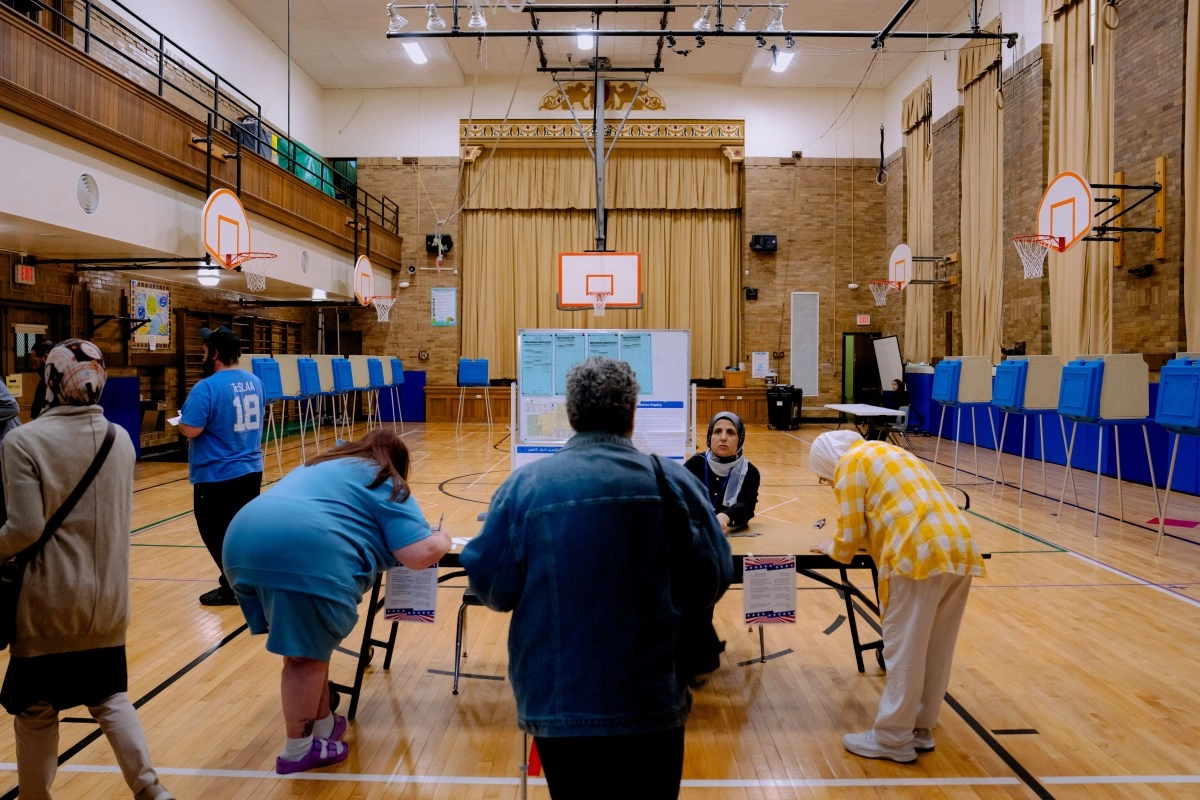
In three months, Americans will go to the polls for the midterm legislative elections. And Trump has already demonstrated in the past a surprising ability to prevail at the polls, even when the polls seemed clearly against him.
While Trump may be grappling with recent setbacks, and at times denying them, that election will be the ultimate test of his political future. And if Republicans stumble, it could be another reality that the president, despite all his efforts, will end up having to face.