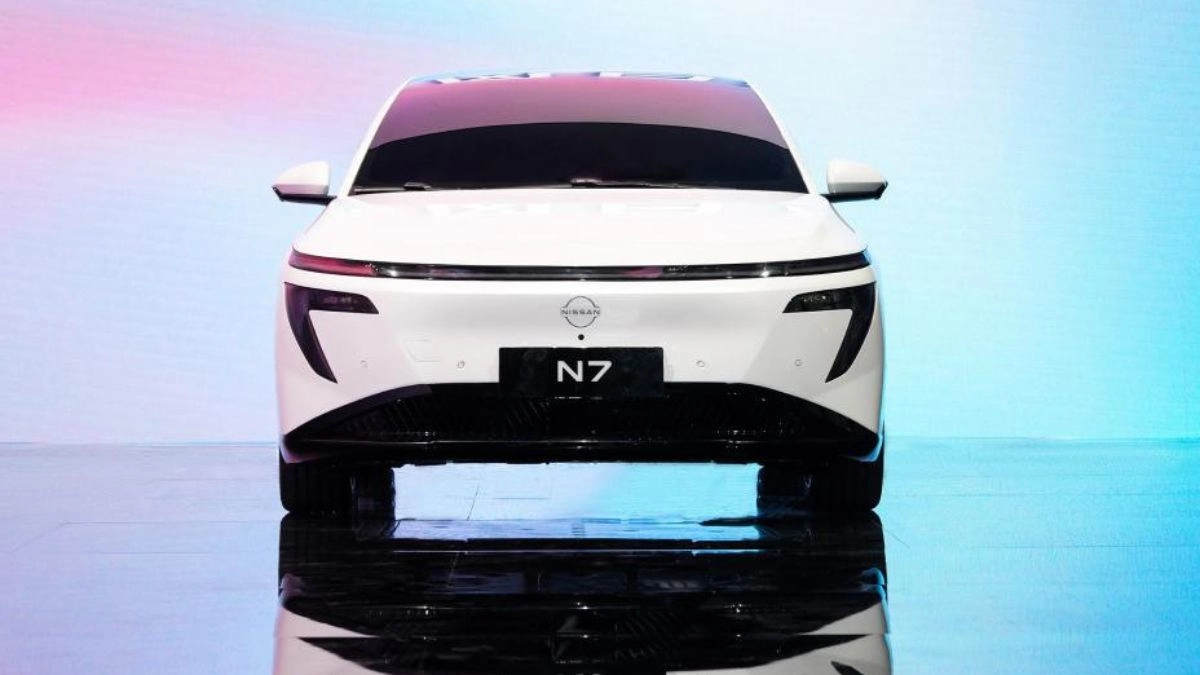

Nissan found much more than a successful new electric model in China. The launch of the N7 not only allowed it to reach 50,000 units sold in just seven months, but also opened the door to a new way of developing vehicles with much shorter times and more efficient processes.
Read also: Gear B or L in an automatic car: what they mean and when to use them
The Japanese brand believes that this sedan can become a reference for its global strategy. Beyond its commercial figures, the learning obtained together with Dongfeng is influencing the way Nissan projects its next launches and seeks to regain competitiveness against other manufacturers.
You can read: Driving a manual car could keep the brain more active
The Nissan N7 measures 4.93 meters long and is equipped with a 268 horsepower electric motor. In addition, it offers different battery configurations that allow it to reach up to 635 kilometers of autonomy, a combination that has aroused strong interest among buyers in the Chinese market.
A model that promotes new projects
The good performance of the N7 has also served as a starting point for other vehicles developed by the alliance between Nissan and Dongfeng. Among them are the NX8 electric SUV and the N6 plug-in hybrid sedan, two models that strengthen the company's electrification strategy.
The commitment to plug-in hybrid systems also gains prominence within the manufacturer's plans, a technology that the brand hopes to promote in the coming years.
The objective is to manufacture vehicles in less time
One of the biggest learnings for Nissan has to do with the speed of development. The company wants to significantly reduce the time it takes to take a vehicle from design to production.
As explained by the French media Autoplus, the goal is to get closer to the usual deadlines of Chinese manufacturers, which range between 18 and 24 months.
In some Nissan models, this process took up to 55 months, so the goal is to reduce it to approximately 26 months.
The executive president of Nissan, Iván Espinosa, made it clear where the automotive industry is looking today: “China now sets the rules in terms of technology, cost competitiveness and development deadlines,” he stated. Furthermore, he explained that this advance is achieved “in the capabilities of AI and in the use of new digital tools during the design and testing and production phases.”