

Alarming increase of candidemia in the US, reveals study
It was identified that the most common species was Candida albicans, but the proportion of infections due to Candida auris has also increased.
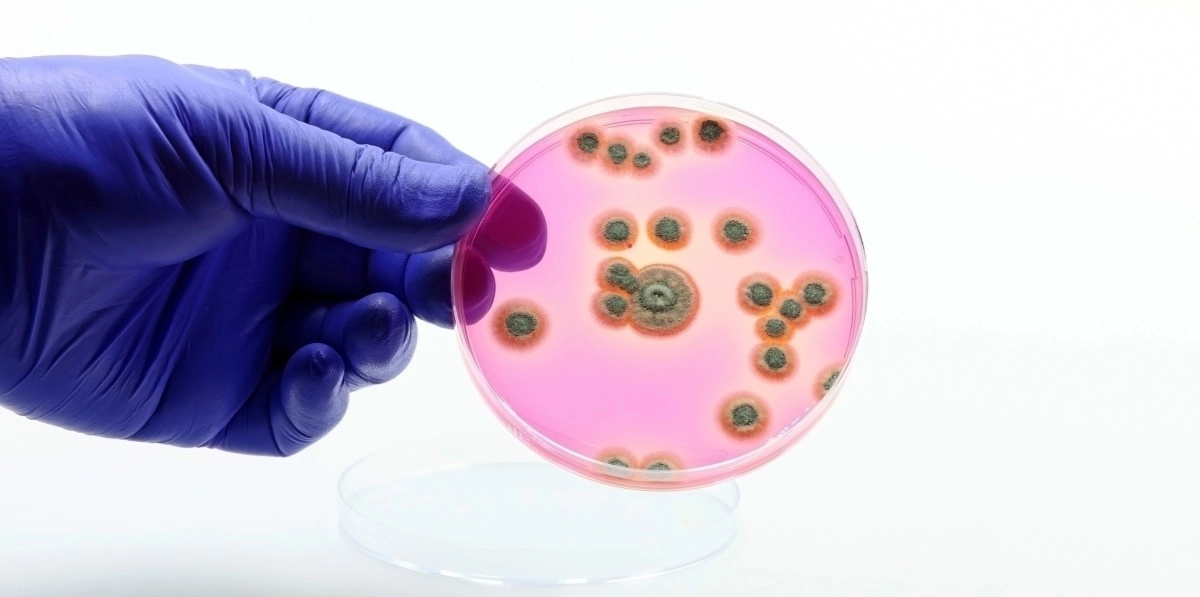

A recent study indicates an increase incidence of candidemia in the country, going from 42.3 cases per 100.00 0 hospital admissions in 2015 to 51.2 in 2024. The mortality rate has also grown, reaching 31.5% in 2024.
The task was conducted by researchers from Houston Methodist Hospital, who examined data from a national database of electronic medical records.
They highlighted the effect of the COVID-19 pandemic, where an increase was observed in cases acquired in care units. intensive. This trend continues, mostly affecting the vulnerable population, including the elderly and critically ill patients.
Candida species on the rise
During the study, published in Clinical Infectious Diseases, it was identified that the most common species was Candida albicans, but the proportion of infection ones due to Candida auris, a multi-resistant yeast, has also increased, suggesting growing concern about resistance to treatments.
The analysis reveals significant disparities in the care received by patients with candidemia, especially those infected by C.auris, which highlights the need for a more equitable approach in the management of these infections.
Risk factors contributing to the increase
The most important risk factors for increased candida are the use of central venous catheter, total parenteral nutrition, prolonged exposure ngada or multiple to broad spectrum antibiotics, severe sepsis and stay in intensive care units (ICU) or in critically ill patients.
These factors favor Candida to go from colonizing the body to invading the blood, especially when there are altered physical barriers, antibiotic pressure on the normal microbiota and increased exposure to hospital procedures.
The risk is greater in hospitalized patients, especially in ICU, in those who have multiple invasive devices or receive parenteral nutritional support, and in people with severe infection or compromised immunity.
Most effective treatments against Candida auris
The most effective treatments for Candida auris infections are usually echinocandins as the first option, because many strains are resistant to other antifungals. os. When they don't work or the strain is resistant, amphotericin B is used; azoles such as fluconazole tend to be less useful, unless the laboratory confirms sensitivity.
The ideal treatment depends on the location of the infection, the severity and the resistance profile of the fungus. That's why it is recommended to perform antifungal susceptibility tests and, if possible, remove or change invasive devices such as catheters.
Measures that improve the result
In addition to the antifungal, it is key to control the focus of infection, close surveillance for infectious diseases, and strict isolation and hospital cleaning measures to avoid reinfection infection or transmission. In practice, the combination of rapid diagnosis, sensitivity-guided antifungal and infection control is what most improves the management of Candida auris.
Hantavirus outbreak reaches 11 infections: a French patient is in critical condition Hidden epidemic: alcohol What wreaks havoc on US public health How oral bacteria affect gastric cancer: what you need to know