

Hantavirus: how to know if there are rats in the home and remove them
Noises, droppings, and cracks can alert you to rats in your home, a risk closely linked to hantavirus and other diseases.
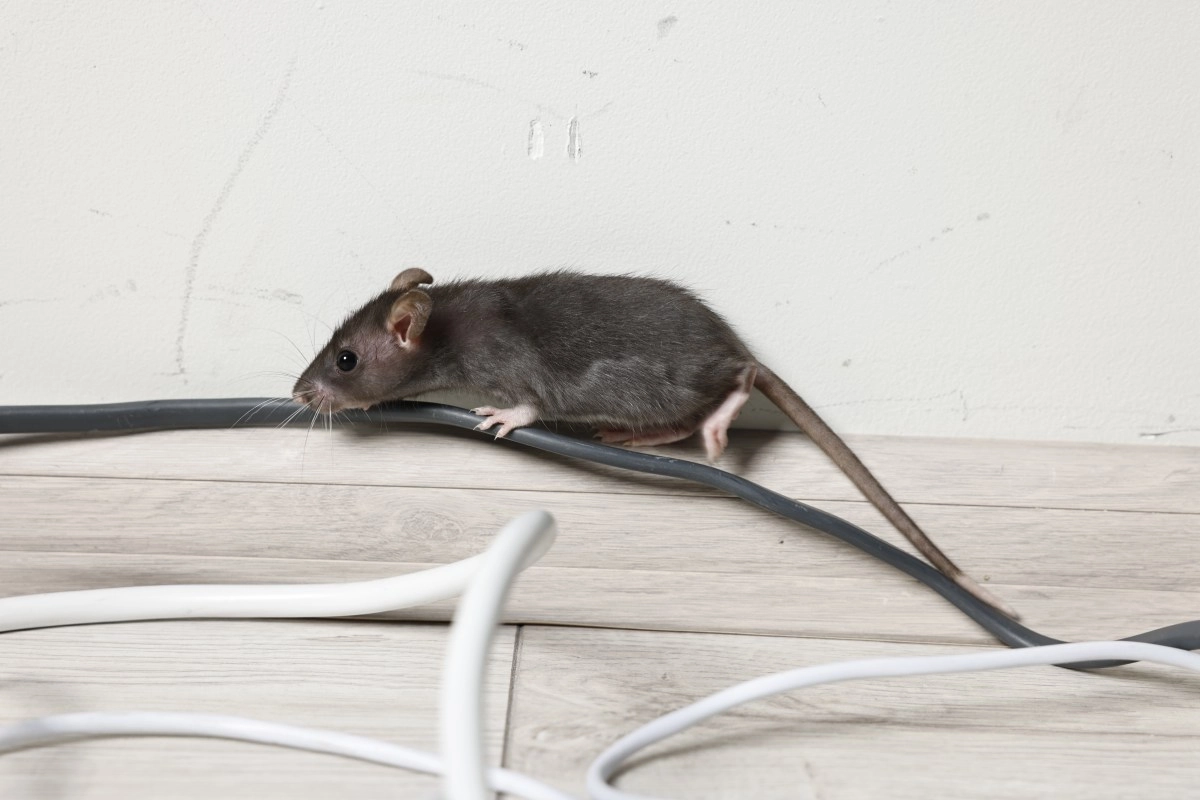

Rats not only contaminate food and surfaces, but they can transmit serious diseases through urine, saliva, hair, and excrement. elements. Among the associated infections also appears the hantavirus, which can cause severe respiratory problems in certain people.
Although many people resort to poisons or chemical products to exterminate rats, environmental control specialists ensure that the most effective and safer way to combat them consists of preventing their access to the home and eliminating whatever attracts them.
However, the main thing is to detect whether some of these rodents have settled in your home. Likewise, it is essential that you know what the daily faults that can attract them.
Read also: Can hantavirus spread in the U.S.? What you should worry about and what don't, according to the CDC
How to know if there are rats inside the house
Rats are stealthy animals and, in many cases, they can remain hidden for weeks before being detected. However, there are clear signs that allow their presence to be identified.
One of the most common signs are small dark excrements near kitchens, pantries, ceilings, garages or under furniture.
It is also common to hear noises during the night, especially in walls, false ceilings or pipes. Rats are usually more active when there is silence and darkness.
Other important signs include:
Experts remember that these animals can enter extremely small openings and move along roofs, pipes, and drains without being seen.
What usually attracts rats and how to scare them away
Rats look for three basic things: food, water, and shelter. Therefore, some daily carelessness can turn a home into the perfect place for them to stay and reproduce.
One of the most common mistakes is leaving garbage uncovered at night. Food leftovers, even in small amounts, are enough to attract them.
Specialists warn that rats reproduce quickly, so a small infestation can grow in a short time if no action is taken.
According to the Environmental Hygiene website recommends, bet first on exclusion and prevention methods rather than on toxic substances. The priority is closing any possible points of entry. This way you can keep them away:
1. Check doors, cracks and pipes
Exterior doors should fit tight to the floor. Even a small gap can be used to enter young mice or rats.
It is recommended to install strong weather stripping and metal protectors on wooden doors to prevent roaming.
It is also a good idea to check cracks in walls, broken tiles, ventilation ducts, water, gas and electricity pipes, as well as drains and sewers.
2. Keep the environment clean and dry
Another fundamental point is eliminating sources of food and water. Storing food in airtight containers, cleaning food remains and repairing leaks can considerably reduce the presence of rodents.
Outdoors, it is advisable to keep the garden tidy, cut tall vegetation and avoid accumulations of garbage or wood.
If an infestation is detected, experts recommend not sweeping or directly vacuuming dried excrement, as this can disperse particles into the air. The safest thing to do is to wear gloves, ventilate the area well, and clean with appropriate disinfectants.
· They confirm that drug used for another disease serves against the hantavirus. What it's for putting a spoon on the window: the trick you didn't expect. How to have a garden at home in California: save money, add health