

Busy life syndrome: stopping and reflecting for about 30 minutes a day can help you
Continuous mental strain increases anxiety and decreases the immune response, making you more susceptible to illness and persistent fatigue
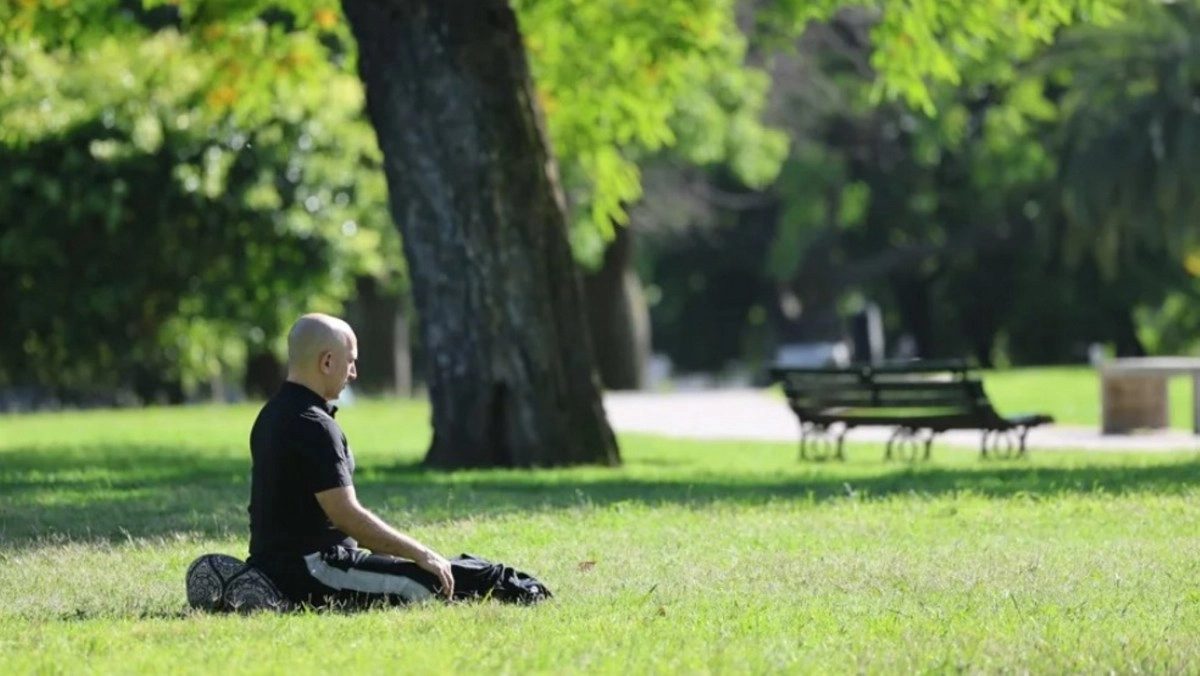

Constant pressure to be productive disrupts essential physiological processes such as digestion, metabolism, and sleep cycles. Experts warn that taking 30 minutes a day to reflect is crucial to counteract these effects. The continuous activation of the nervous system and rapid food consumption hinder nutrient absorption and can cause metabolic disturbances, contributing to weight and energy problems. Meanwhile, a constant state of alertness reduces sleep quality, affecting recovery and daily performance, generating a cycle of chronic fatigue. Mental health under stress: Daily overexertion and multitasking not only exhaust us physically but also affect psychological well-being, making it difficult to disconnect even during rest time. Continuous mental strain increases anxiety and decreases the immune response, making us more susceptible to illness and persistent fatigue. Expert: Spanish psychologist Tomas Santa Cecilia advice points out the importance of reflection as a means of creativity and personal development. It highlights that a daily break of at least 30 minutes is essential for both individual and collective growth. It advises reflecting on ourselves, on what we want from our lives and the lives of our loved ones, reports EFE Health.
“The break is necessary in societies; cultures have evolved with reflection, with boredom, with thought, with feeling… not by linking one task to another,” noted the director of the Cecops psychology center in Madrid.
Health professionals suggest implementing practices that foster moments of tranquility in daily life, emphasizing the need to disconnect to improve overall health.
From Productivity to Reflection
As society evolves, It is necessary to redefine the concept of success, prioritizing mental and physical well-being over hyperactivity and constant productivity. Clinging to this pursuit of productivity, Dr. Daniela Silva, an Internal Medicine specialist and eHealth Medical Manager at Cigna, states that multitasking can generate more anxiety, as it often exceeds our capacity to manage it. How pressure affects us in the long term:Constant pressure to be productive, especially in work or academic contexts, often translates into chronic stress that, in the long term, deteriorates both physical and mental health. If this culture of “hyperproductivity” persists without rest or limits, it increases the risk of chronic illnesses and serious psychological problems.
Impact on productivity and life
In practice, prioritizing rest periods, setting clear boundaries with work, and valuing well-being over mere productivity helps protect long-term health.