

5 appliances you should never leave plugged in, even if they're turned off
Some appliances consume energy even when turned off and can be a risk. Knowing which ones to unplug helps prevent accidents and reduce expenses
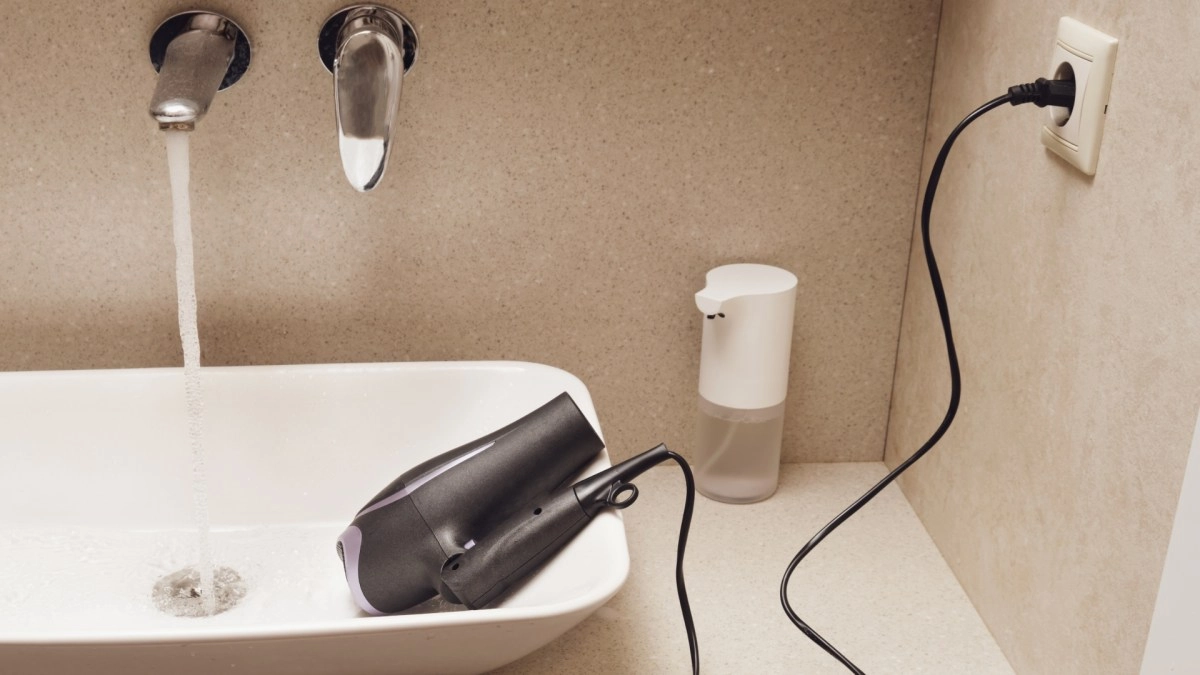

Leaving appliances plugged in when not in use is a common practice in many homes, but this does not mean it is not dangerous. Even when switched off, they can continue to consume electricity or pose a risk in the event of a power outage. This phenomenon, known as "phantom" power consumption, not only impacts your electricity bill but can also increase the likelihood of short circuits or fires. Whether due to carelessness or convenience, keeping certain devices plugged in can become a silent problem, and it's important to know which ones are the main culprits. Also read: 8 things you should never flush down the toilet: you'll cause a disaster. 5 appliances you shouldn't leave plugged in. 1. Kitchen appliances. Appliances used on the countertop, such as toasters, air fryers, or electric cookers, should always be unplugged after use. Even when turned off, Southern Living points out, they remain plugged in, which exposes them to power surges or internal failures.
In addition, these devices often operate at high temperatures, so any damage to the wiring or components can lead to overheating.
2. Hair Dryers and Heat Tools
Hair dryers, straighteners, and curling irons are devices that reach high temperatures quickly. Leaving them plugged in increases the risk if the cord is damaged or if the appliance has internal problems.
Even when turned off, they can generate residual heat or activate accidentally. Therefore, unplugging them after each use is a basic preventative measure.
3. Electric Heaters and Heating Pads
Portable heaters and electric blankets require special attention. These devices consume a lot of energy and, in the event of a failure, can become a source of danger. Even when not in use, keeping them plugged in leaves them exposed to electrical overloads.Unplugging them when you finish using them or before leaving home is a key recommendation.
4. Device Chargers
Leaving your phone or other device chargers plugged in even when not in use is more common than you might think. However, these accessories continue to consume energy even when they're not charging anything.
This constant, albeit low, consumption adds up over time. Furthermore, a faulty charger can overheat and pose a risk if left plugged in for extended periods.
5. Power Strips or Extension Cords
Power strips are convenient, but they can also be dangerous if used improperly. By concentrating multiple devices on a single outlet, they increase the risk of overloading.
If left plugged in permanently, especially with several devices connected, they can overheat.
Unplugging them when not in use significantly reduces the possibility of electrical failures.