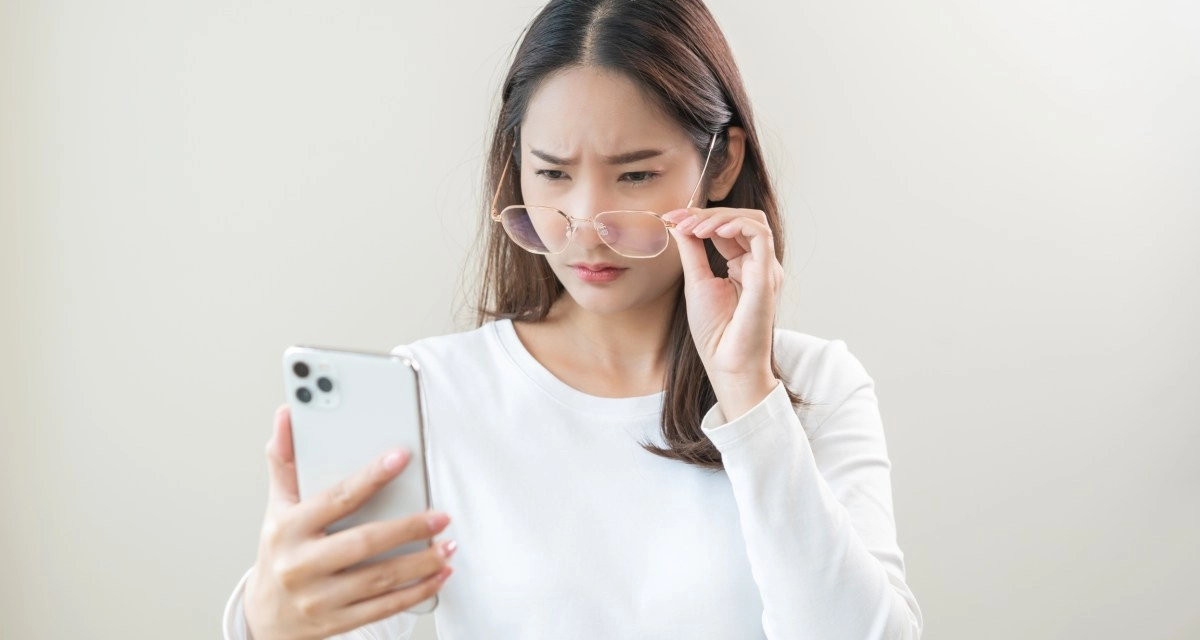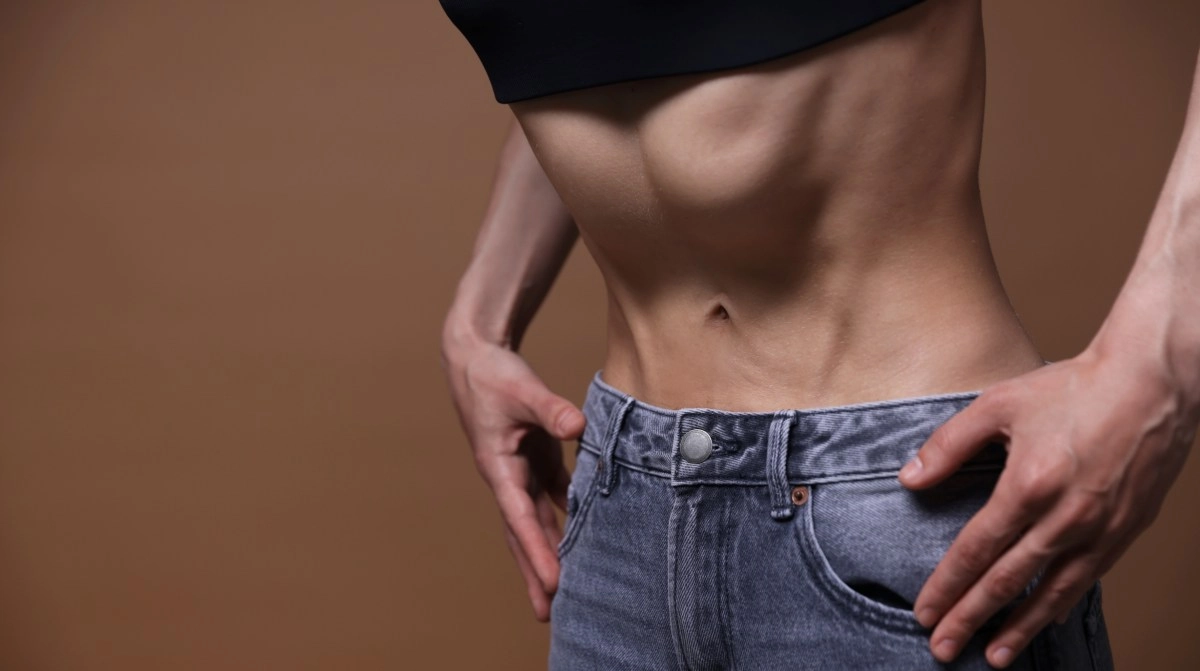

From time to time, fashion returns to the same place: extreme thinness as an ideal. It happened in the nineties with the “heroin chic” aesthetic. It returned in the mid-2010s under the guise of fitness and restrictive diets presented as a lifestyle. And in recent years it has reappeared, now amplified by social networks, digital filters and a new generation of weight loss drugs that have become a topic of public conversation.
The pattern repeats itself: what should be a personal health choice becomes a cultural mandate, and the body becomes, once again, the canvas on which another's battle is fought.
It is a trend that is not new, but it is changing shape. Fashion historians agree that the dominant body ideal is not fixed: it has oscillated between pronounced curves and extremely thin silhouettes depending on the decade. What is distinctive about the current moment is not only the ideal itself, but the speed and scope with which it spreads.
Before, an aesthetic trend took seasons to establish itself through magazines and catwalks. Today, a fifteen-second video can normalize a body standard for millions of people in a matter of hours. Furthermore, the conversation has become more sophisticated in its language: there is no longer open talk of “being thin” as a goal, but of “well-being,” “optimization” or “discipline.” That change in vocabulary doesn't remove the pressure; disguises her.
The gear behind the trend
Various voices in the field of mental health and nutrition have pointed out that constant exposure to idealized bodies—often edited or unattainable without medical intervention—is associated with greater body dissatisfaction, especially among adolescents and young people. Digital platforms, with their algorithms that prioritize content that generates the most engagement, tend to amplify precisely the type of images and messages that reinforce these ideals, regardless of whether they are healthy or realistic.
Added to this is the industry: fashion, advertising and now also the weight loss drug market find a profitable business in thinness. When a body standard becomes a trend, it also becomes a market.
The human cost
Behind the industry figures there are people. Eating disorders - such as anorexia, bulimia or binge eating disorder - do not arise solely from exposure to aesthetic fashions, but specialists warn that these cultural environments can act as an additional risk factor, especially in those who already have a predisposition or emotional vulnerability.
What is worrying, health professionals point out, is normalization: content that celebrates extreme dietary restriction or low weight as an aesthetic achievement, presented without any type of context or warning, can reach audiences that do not have the tools to process it critically.
What do the specialists think?
The “thinness trend” has returned with a vengeance in 2025–2026, and mental health, nutrition and fashion specialists openly criticize it for its risks to self-esteem, eating disorders and social inequality.