
A nearby wildfire can change direction and accelerate in a matter of minutes. Therefore, waiting for an evacuation order to start searching for documents, medications or clothing is often too late.
The recommendation of emergency agencies is to prepare an evacuation backpack in advance, keep your phone charged and know which route to leave the area by. The Red Cross advises having portable supplies for at least three days and being ready to go even if official notification has not yet arrived, when fire or smoke poses an immediate danger.
What a backpack should have to evacuate
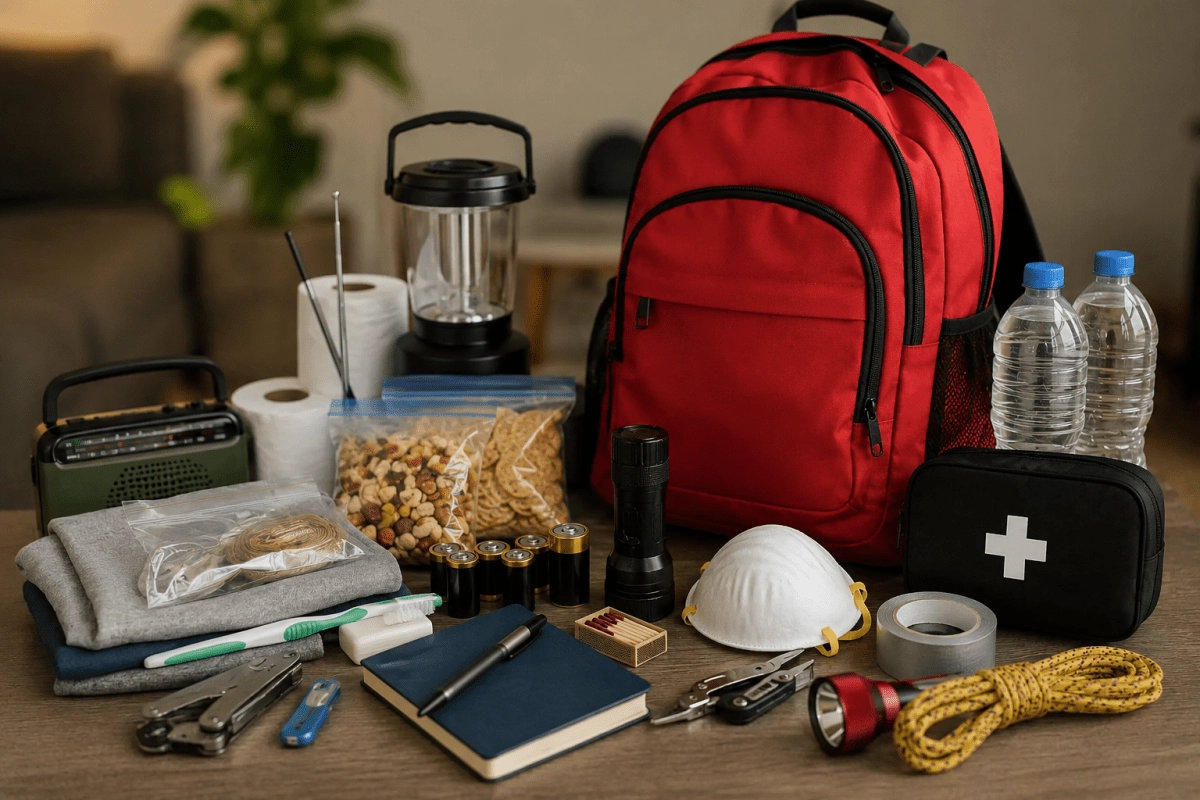
The kit should be lightweight, easy to transport and stored in an accessible place. It is not advisable to distribute essential elements in different rooms. Priority items should include:
The Red Cross recommends preparing three days' worth of supplies if you must evacuate and a larger stockpile to stay home when authorities say it is still safe to do so. He also advises having enough medication, ideally for a month, when possible.
Documents that should not be left until the last minute
Important IDs and records should be collected in a waterproof folder or stored via secure digital copies. It is advisable to have available:
When the pharmacy or regular office is closed, these copies can make it easier to refill medications, file claims, and identify family members. The Red Cross recommends protecting personal, medical and financial records and keeping them within reach during an evacuation.
What to prepare inside the house
The backpack is not enough. If the fire still does not require evacuation and the authorities allow you to remain in the home, there are several measures that can reduce risks.
It is advisable to keep smoke detectors working, place type A-B-C fire extinguishers near an exit and periodically check that they are charged. The extinguisher should only be used on a small fire and when there is a clear escape route; If the flames do not go out immediately, you have to get out.
Creating a space free of dry vegetation around the house can reduce the possibility of flames or embers reaching the structure.
The car must also be prepared
During an evacuation, gas stations may close and roads may become congested. The Red Cross recommends keeping your fuel tank full and planning several exit routes.
Inside the vehicle there should be water, a flashlight, battery cables, a printed map, a blanket, a phone charger, a first aid kit, a copy of the documents, and food and items for pets.
It is not advisable to take shortcuts or travel on unauthorized roads. Secondary routes may be blocked by fire, fallen trees or emergency equipment.
How to prepare children, seniors and pets
Each member of the household should know what they will bring and where the family will meet if they are separated. In homes with children, older adults, people with disabilities or electrical medical equipment, the plan needs more advance notice. It should also include who will help evacuate, how the devices will be transported, and where they can be recharged.
Pets should not be left for last. You need to have their leashes, cages, food, water, medication, and veterinary records ready. Shelters or shelters do not always accept animals, so it is advisable to identify alternatives before an emergency.
What to do when an evacuation alert arrives
An initial watch or warning means preparing. An evacuation order means leaving. Upon receiving an order:
The Red Cross warns that a person may not receive formal notification in time. If the smoke increases, ashes fall, or the fire approaches, you should be prepared to leave the scene even if an alert has not yet sounded.
Smoke can also be dangerous
Even when the flames are far away, the smoke can affect health. Fine particles can irritate the eyes and respiratory tract and aggravate diseases such as asthma, COPD or heart conditions. A well-fitting N95 mask can reduce inhalation of particles, but it does not eliminate all gases present in smoke.
Children, pregnant women, older adults and people with respiratory or cardiovascular diseases need special protection. After the fire, it is also recommended to avoid direct contact with the ashes and wear gloves, long clothing, closed-toed shoes, and eye protection during cleanup.
The quick list before leaving
Before closing the door, priorities should be clear: people, pets, medications, documents, phone, charger, water and keys.
Furniture, appliances and other property can be replaced. Returning to a threatened home to recover items can be deadly.
The best preparation doesn't start when you see the fire from the window. Start earlier, with a backpack ready, the car prepared and a route that everyone in the family knows.