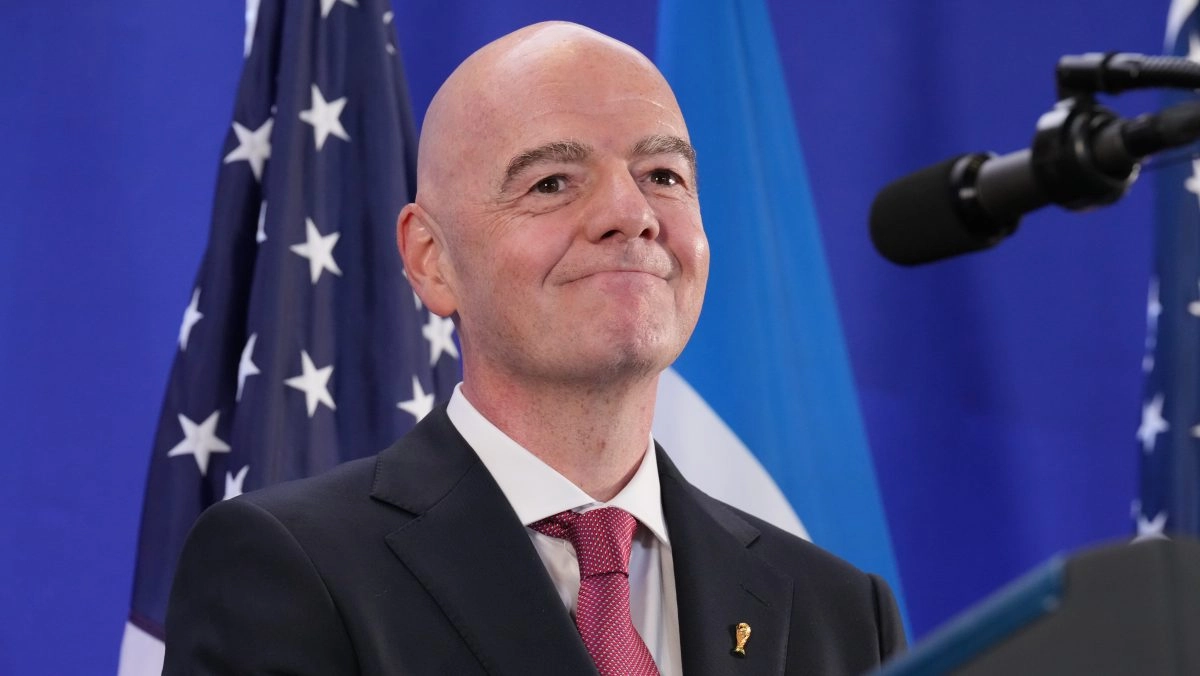

Excessive ambition has found its new game board. FIFA President Gianni Infantino has unleashed a global storm after presenting his controversial FIFA Forward Enterprise (FFE) project. The proposal, far from being a sporting advance, seeks to transfer the commercial rights of future World Cups to private corporations.
The rejection of the international football ecosystem has been absolute and immediate in the face of what many consider the sale of the soul of the beautiful game. The million dollar trap: expand to squeeze
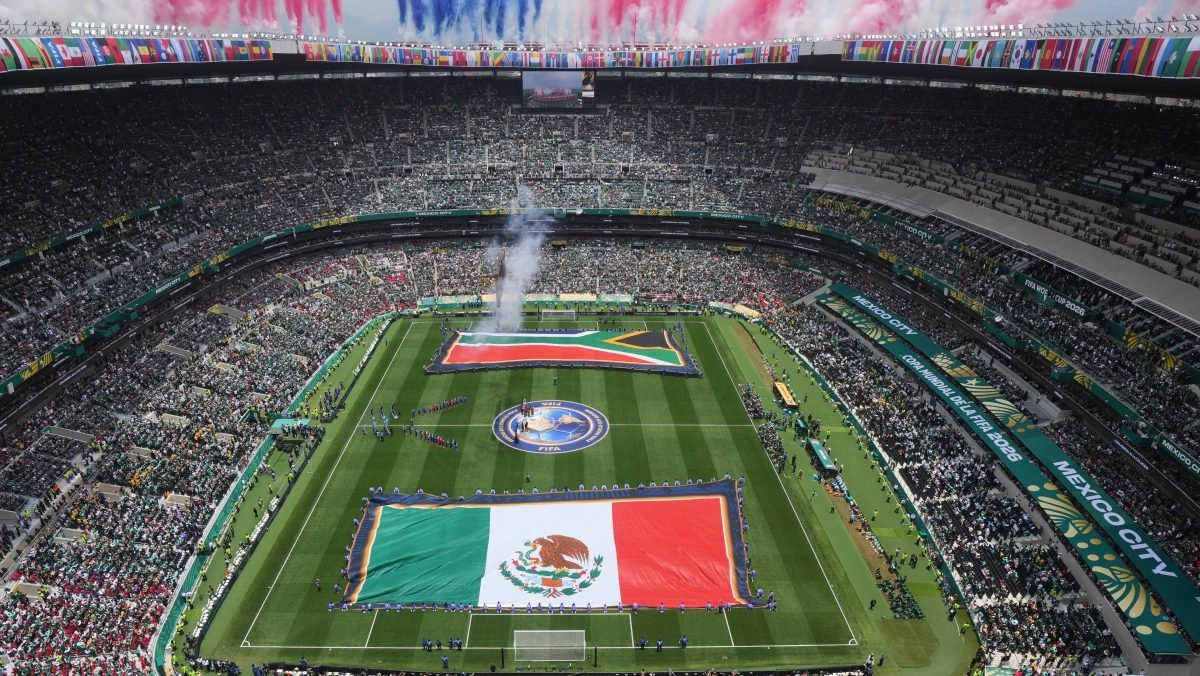
Under the pretext of the financial success of the recently concluded 48-team World Cup, the FIFA boss intends to expand the league to 64 participants. However, behind the juicy hook of a $10 billion purse for the 211 affiliated federations, an alarming reality hides: the soccer player is no longer seen as an athlete, but as mere exploitable raw material to quench the thirst of private investors.
The 53-day ultimatum: Development or extortion?
According to revelations from the British newspaper The Times, Infantino does not seek dialogue, but rather submission. The federations have a strict deadline of 53 days to align themselves with the project. The punishment for rebellion is brutal: any nation that dares to vote against will suffer a 75% cut in its traditional financing funds. A pressure strategy that in the corridors of international football is already beginning to be openly described as a tactic of institutional extortion. Europe stands up: “Football is not for sale”
UEFA, led by Aleksander Čeferin, was the first to raise an ethical wall against the proposal. The European body firmly reminded that no one has absolute rights over this sport. The warning was blunt: the physical and moral well-being of the protagonists must always be above the economic benefit of a few “friends” of power.
Important voices from all over the planet have been added to the European position:
Concacaf: Expressed deep concern about the lack of transparency, criticizing that a plan of this caliber was being cooked up behind the backs of the interested parties. Asian Confederation (AFC): They reproached the absence of good governance and demanded real consultation processes in the face of decisions of such importance. English Federation and French football: They showed their dismay at the alarming lack of democratic control in the management of the Swiss president. Political shadows and the ghost of the past
The controversy takes on an even darker tone after harsh criticism from European political figures and former FIFA president himself, Sepp Blatter. The former leader lamented the dangerous closeness between Infantino and US President Donald Trump, pointing out that the interference of these crossed financial and political interests mortally damages institutional credibility.
Critics in Spain, championed by Javier Tebas, agree on a devastating diagnosis: football is neither baseball nor an American entertainment business, and Infantino seems to forget that opacity and millionaire juggling usually end in the worst way.
The ball keeps rolling, but the backboard has broken. The federations have less than two months to decide whether to give in to FIFA's wallet or defend the dignity of a game that belongs to the people, not private investment funds. Soccer finds itself at a historical crossroads where the romanticism of the game fights its last battle against savage capitalism. Infantino's proposal is not an evolution; It is an assault on the fans' heritage. There are 53 days left to know if the federations choose quick money or the dignity of a sport that was born in the streets and not on a Wall Street table. The ball is in their court, but the judgment of history will be implacable.