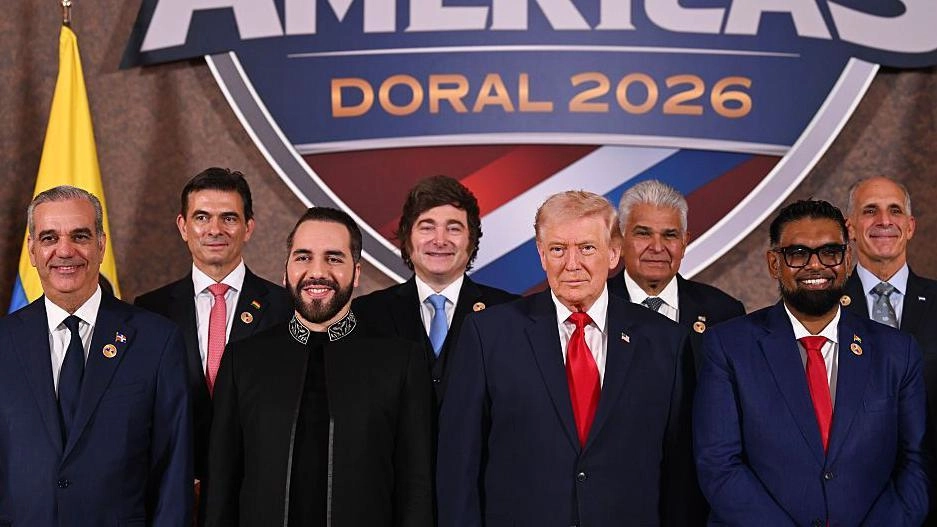

They swept the ballot boxes in countries like Ecuador and Chile. They were imposed by the minimum in Peru and Colombia. But one way or another, right-wing politicians in Latin America are enjoying a wave of electoral successes that has changed the map of power in the region.
The Peruvian Keiko Fujimori became this Tuesday the most recent case of a right-wing Latin American figure who assumes the presidency of her country by dint of votes: she won a runoff in her fourth attempt.
When Colombian president-elect Abelardo de la Espriella begins his government on August 7, the region will have with him a dozen heads of state located to the right of the political center.
This contrasts with what was happening in Latin America at the beginning of 2023, when there were 11 countries governed by different types of leftists.
It is true that the two largest democracies in the region by number of voters, Brazil and Mexico, maintain leftist governments. But the first goes to elections in October that are projected as a duel between President Luiz Inácio Lula da Silva and right-wing senator Flávio Bolsonaro.
It is also clear that there are differences between right-wing Latin American leaders: some are more radical than others, with populist or authoritarian tendencies.
But in general, they tend to show themselves as part of the same ideological family, with expressions of mutual electoral support or imitations of controversial emblems, such as Nayib Bukele's megaprison in El Salvador.
So what is behind this phenomenon? And what does its continuity depend on?
“A structural problem”
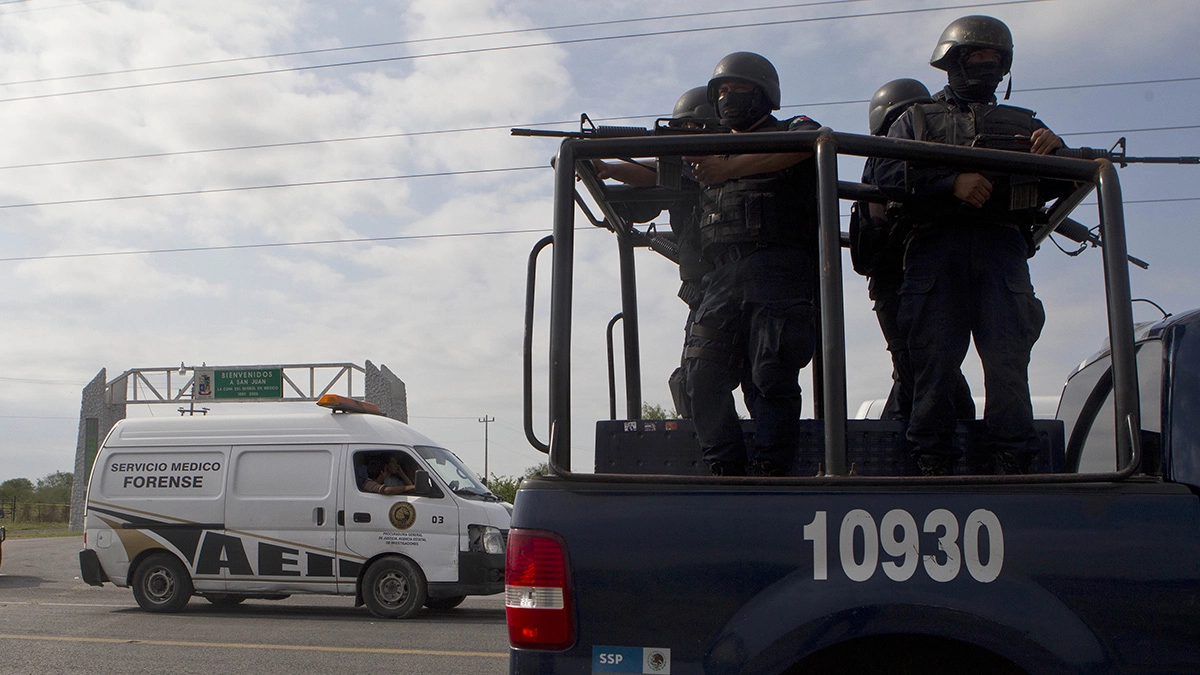
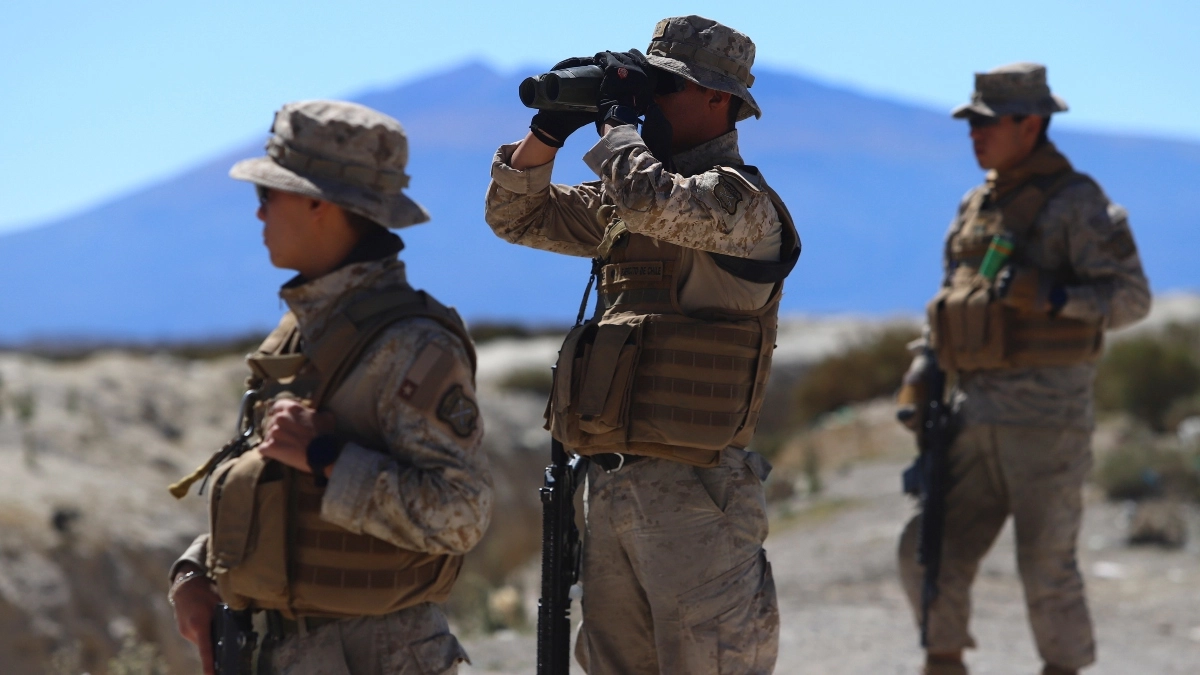
A key to the rise of the Latin American right is the widespread popular demand for a more effective fight against crime, with insecurity among the greatest concerns among citizens.
This responds in some cases to considerable increases in episodes of violence and extortion, as happened in Ecuador and Peru.
But fear of crime also skyrocketed in Chile, whose population appeared in surveys last year to be more concerned about crime and violence than those of Mexico or Colombia, countries with much higher homicide rates.
In any case, right-wing candidates seem to better interpret (if not promote) this demand for security: Fujimori in Peru, De la Espriella in Colombia, Daniel Noboa in Ecuador, José Antonio Kast in Chile or Nasry Asfura in Honduras came to the presidency with promises of “order” and a “tough hand” against crime.
Bukele is one of the most highly rated Latin American leaders and a star of the regional right, after appeasing Salvadoran gang violence through a state of exception that concentrated power, suspended constitutional guarantees and generated complaints of serious abuses.
Latin America today has “mostly right-wing governments, which act very harshly on the issue of public security,” says Regiane Bressan, a professor of international relations at the Federal University of São Paulo specializing in the region.
"This (happens) because violence is high, but it is also the result of a structural problem in the region, which is poverty and inequality. And the left-wing governments have not managed to fully resolve this problem," Bressan tells BBC Brazil.
The Trump factor
In addition to the greater emphasis on tough security policies, there are other aspects that differentiate the new right that is gaining ground in Latin America from traditional conservatives.
One of them is the more effective use of social networks as a proselytizing instrument, experts say.
Another is greater verbal aggressiveness against their adversaries, particularly against the left and the so-called wokism, in some cases without respecting basic norms of liberal democratic coexistence.
This combative style has similarities with that of the president of the United States, Donald Trump, whose government has sought to align right-wing Latin American leaders to regain regional influence and counter China.
"I believe that the US will continue to create tensions in our region" and "it will tense the elections in Brazil. It will continue to tense the situation in Mexico. And, of course, we must be very attentive to these extremist governments, because they are extremist governments that break with democracy," maintains Bressan.
The Latinobarómetro regional survey noted that the political change in the subcontinent occurred starting in 2020, when Latin Americans began to classify themselves slightly more to the right year after year.
Marta Lagos, director of Latinobarómetro, links the phenomenon to the coronavirus pandemic, which “has finished convincing vulnerable people that they are not going to get out of the hole they are in.”
“This collapse of expectations about the future produces this populist and extreme right-wing demand, as if to say: 'Enough, something very hard and drastic has to come for things to change,'” Lagos explains to BBC Mundo.
The same survey also indicated that support for the market economy in Latin America rose from 58% in 2020 to 66% in 2024.
That could also explain why the idea of cutting the state, which Javier Milei symbolized with a chainsaw in the campaign that led him to the Argentine presidency in 2023, has also been raised by other successful candidates in the region.
A lasting phenomenon?
But for years, Latin Americans have seemed to vote to punish their current governments rather than because of ideologies: opposition candidates in the region have won nearly twice as many elections as the ruling party in the last decade.
Now, the right-wing presidents who already govern in Latin America face several management challenges.
Milei is still looking for the Argentine economy to take off with a strength that is perceptible to the people, despite having reduced inflation and applied a drastic adjustment.
In 2025, Ecuador had one of the highest homicide rates in the world, with more than 9,200 murders, according to official data, despite the “iron fist” policies and military mobilization that Noboa ordered in the last two years.
And in Chile, Kast's approval ratings have fallen since he assumed the presidency in March, in the face of economic stagnation, unemployment that rose to 9.4% between March and May, and a citizenry that maintains crime as one of its biggest concerns.
“It is a mistake to think that the right is here to stay,” warns Lagos. But he points out that perhaps, before a return of the left in the region, "new types of populism" will emerge.
“If the right fails to control security, it is the functional equivalent of the left not being able to eliminate poverty,” he reasons. "With different ideological symbols, they are unfulfilled promises. And who are they going to choose next?"
Download the new BBC World Service app. Choose BBC News Mundo and receive news alerts, documentaries and analysis, all in one place. Important: The new app is not available in the United Kingdom or the United States.