
Four of the most influential Latino civic organizations in the United States announced the launch of the 2026 Latino Civic Participation Coalition, an unprecedented alliance that seeks to educate, register and mobilize millions of Hispanic voters ahead of the 2026 midterm elections and maintain that effort until 2028.
The initiative brings together UnidosUS, LULAC Institute, Inc., Mi Familia en Acción and Latino Victory Foundation for the first time under a joint strategy, with the aim of strengthening the political participation of the Latino community, the fastest growing segment of the electorate in the United States.
The organizations committed to directly contact more than five million Latino voters, register 250,000 new voters, conduct 3.5 million home visits and personalized conversations, and increase Latino voter participation by at least 5% over the next two years.
The campaign will have a presence in more than 40 states, with priority in Arizona, California, Colorado, Florida, Nevada, New Mexico, Ohio, Pennsylvania and Texas, entities where the Hispanic vote has a determining weight.
“The coalition redefines the way it engages the Latino electorate: earlier, more closely and permanently, instead of seeking out voters only in the weeks before the election,” the organizations said in a joint statement.
The alliance comes at a time when the political influence of Hispanics continues to grow. According to data from the U.S. Census Bureau and Pew Research Center, Latinos represent nearly 20% of the US population, with more than 68 million people, while 36.2 million are already eligible to vote. Furthermore, every year more than one million Hispanic citizens turn 18, constantly expanding the electoral roll.
Despite this, the organizations maintain that investment in non-partisan civic education for Hispanics has been insufficient for decades. “Latino voters continue to be ignored,” they insist.
Janet Murguía, president and CEO of UnidosUS, said many Hispanic voters continue to receive no information from candidates or parties, even during high-stakes election campaigns.
"Despite the key role they play in these elections, the majority of Latino voters have not received information from any candidate or party about the midterm elections. A recent UnidosUS survey showed that 53% of Hispanic voters who participated in the Texas primary elections had not been contacted," he declared.
"UnidosUS is proud to partner with LULAC Institute, Mi Familia en Acción and Latino Victory Foundation. Together we are committed to expanding education and voter registration so that every eligible Latino citizen can make their voice heard."
Juan Proaño, executive director of the LULAC Institute, maintained that Latino participation is essential for the functioning of American democracy.
"There is no American democracy without the Latino vote. We are 68 million people in this country and our voters continue to be the last to be contacted and the first to be taken for granted."
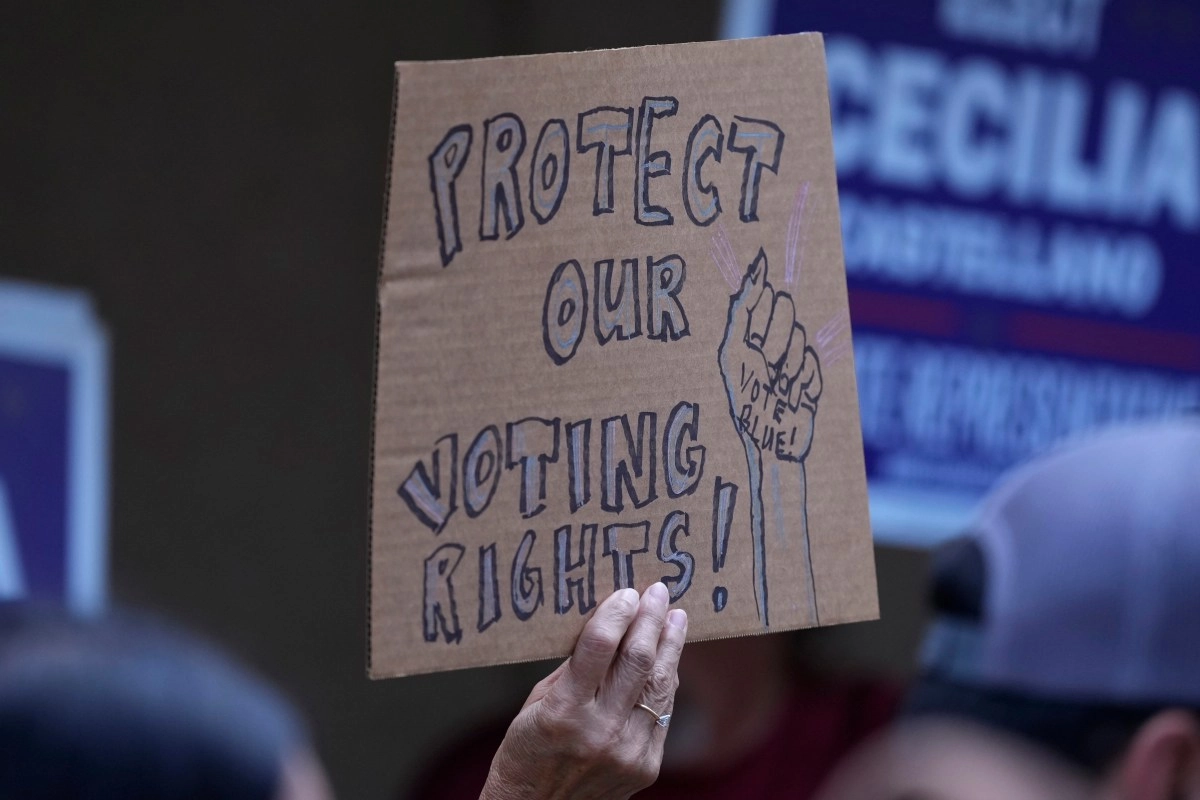
For Héctor Sánchez Barba, president and CEO of Mi Familia en Acción, millions of Latino citizens still face obstacles to fully exercising their right to vote.
"Latinos are transforming the future of America, but too many eligible voters continue to face barriers that prevent them from fully participating in our democracy. We cannot accept a system in which millions of voices remain unheard."
He explained that the coalition aims to strengthen the political power of Hispanic communities through ongoing community organizing campaigns, voter education, and registration of new voters.
The creation of the coalition occurs after the Latino vote once again played a decisive role in the 2024 presidential elections. According to the Pew Research Center, Hispanics constituted the second largest electoral group in the country and registered sustained growth in states considered competitive, such as Arizona, Nevada and Pennsylvania.
The organizations indicated that their strategy will be strictly non-partisan and will be focused on informing citizens about the electoral process, the right to vote and the issues that most concern Latino families, such as the cost of living and the economic situation.