

Trump warns that he will move to a “second hard phase” against Iran if a nuclear is not reached
Trump stressed the urgency of an agreement, warning that otherwise the consequences would be “very traumatic” for Iran
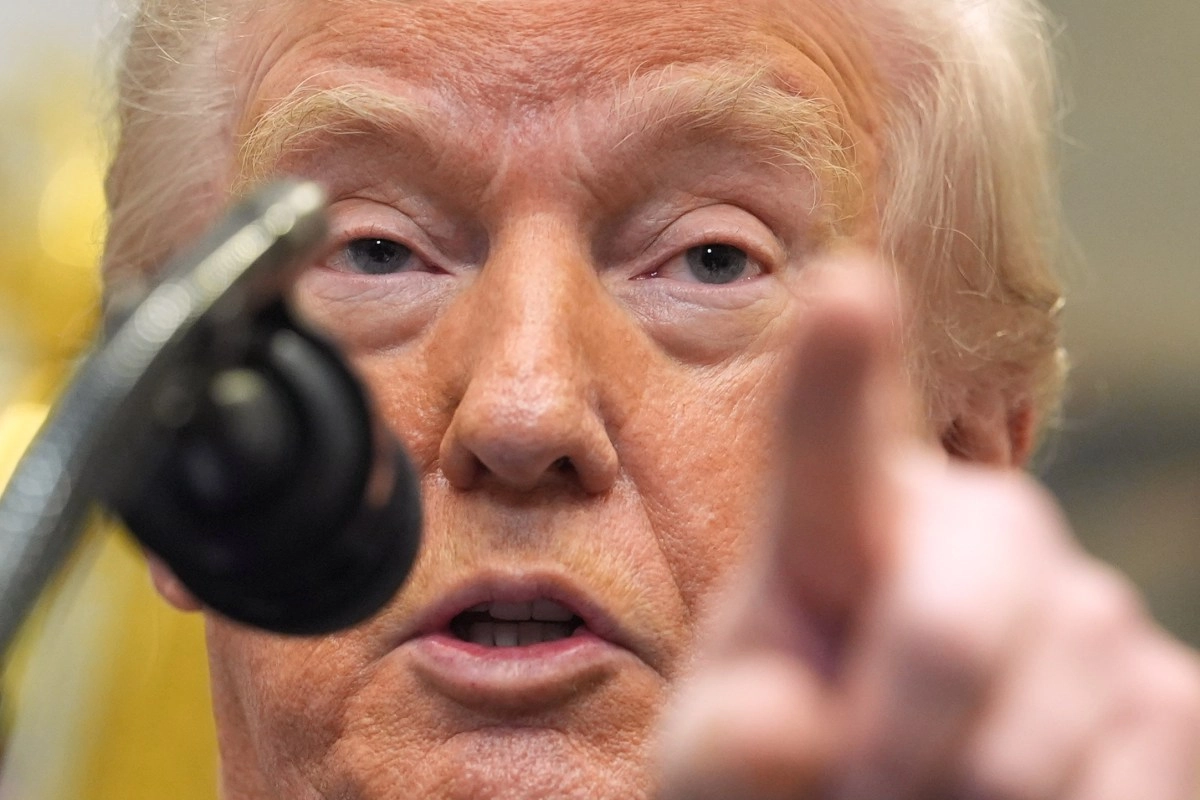

Donald Trump issued a strong warning to Iran on Thursday, stating that if a nuclear agreement with Washington is not reached in the coming weeks, the US agreement will activate a “second phase” of very severe pressure against Tehran.
In a press conference in At the White House, Trump asserted that, while he prefers to continue dialogue with Iran regarding its nuclear program, if no agreement is reached, the United States will have to implement tougher measures. "I'll talk to them as much as I want, and we'll see if we can come to an agreement with them. And if we can't, we'll have to move to phase two. Phase two will be very tough for them," the president stated. Trump emphasized the urgency of an agreement, warning that otherwise the consequences would be “very traumatic” for Iran and that he expects results “within the next month.” Tensions with Israel and Divergences in Strategy: The statements came a day after Trump hosted Israeli Prime Minister Benjamin Netanyahu at the White House. Although Trump said the meeting was “very good,” no clear consensus was reached on strategy with Iran, and he emphasized that he insisted negotiations with Tehran continue. Netanyahu, for his part, expressed skepticism about the possibility of an agreement and argued that any negotiations must address not only Iran's nuclear program, but also its ballistic missile arsenal and support for armed groups in the region. Alongside these diplomatic warnings, international media reports indicate that the Pentagon is preparing to deploy a second group of aircraft carriers to the Middle East as part of its pressure on Iran should negotiations fail, in addition to the already deployed USS Abraham Lincoln. Context of the negotiations: Talks between the United States and Iran recently summarized in Oman.in a series of indirect meetings aimed at preventing a military escalation in the region following last year's twelve-day war between Iran and Israel and the subsequent US military operation against Iranian nuclear facilities.Iran has stated that it will only accept certain limitations on its nuclear program in exchange for relief from international sanctions and has refused to expand negotiations to include issues such as its missile program and support for militias. So far, Iranian authorities have not changed their public stance, and tensions persist that could escalate if a diplomatic commitment is not reached. Analysts note that a lack of agreements could increase instability in the Middle East and intensify hostilities between US allies and Iran.