

Apple will invest $500 million in the US to strengthen its supply chain and recycling
Apple is betting heavily on local industry by committing to investing hundreds of millions of dollars to strengthen its supply chain
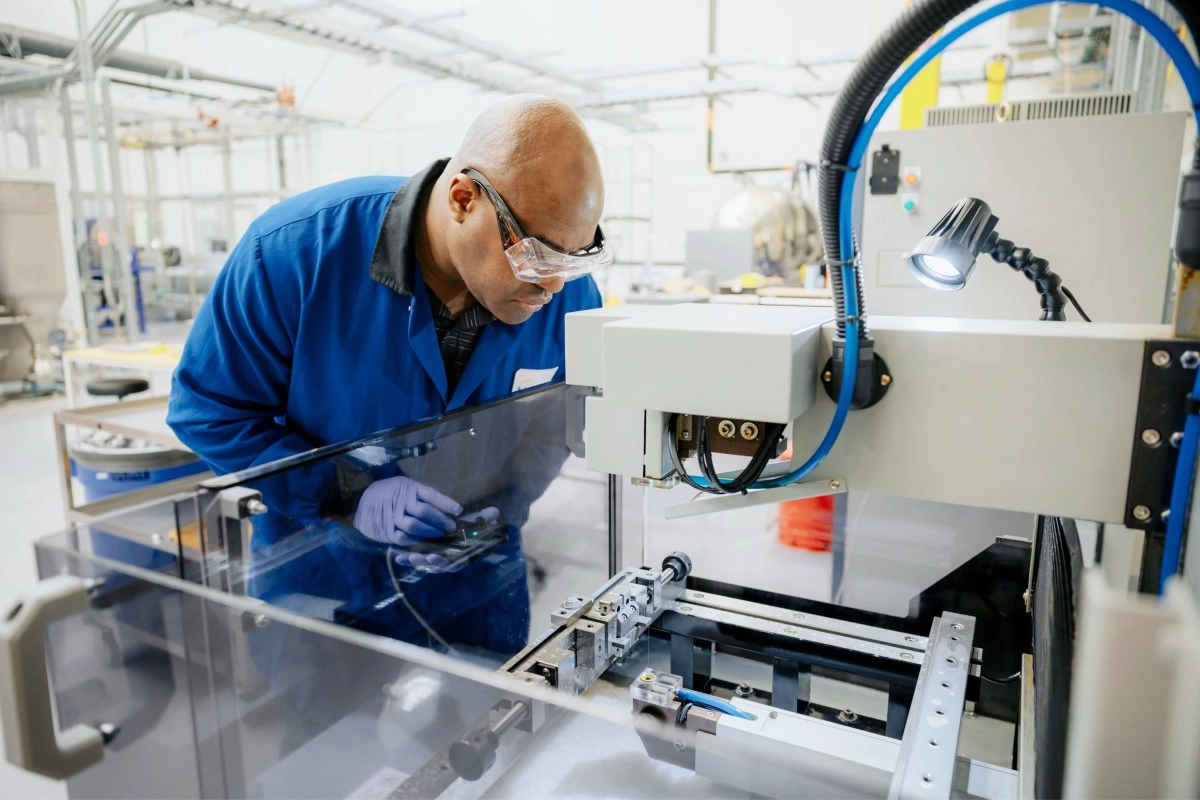

Apple has just announced a historic investment of $500 million in the United States, aimed at strengthening its supply chain and advancing its sustainability initiatives. The company plans to build a new materials recycling plant, specifically focused on processing rare earths, essential components for manufacturing devices such as iPhones, MacBooks, and other technology products.
This move not only reinforces Apple's commitment to local manufacturing and reducing its environmental footprint, but also seeks to reduce dependence on third-party suppliers, a critical issue amid geopolitical tensions and bottlenecks in global supply chains.
Why is this investment a big step for Apple?
The new recycling plant will be a central axis in Apple's strategy to close the production cycle. The company has already made significant progress in using recycled materials, such as aluminum and cobalt, but rare earths have always been a bigger challenge. These elements are key to components like speaker magnets and haptic motors, and their traditional extraction is expensive and polluting. With this investment, Apple will be able to recover and reuse rare earths directly from its old devices, reducing the need for mining and minimizing its environmental impact. According to the announcement, the plant will be operational within the next three years and will create hundreds of jobs in the green technology sector.
In addition, this initiative reinforces Apple's commitment to being carbon neutral by 2030, an ambitious goal that requires innovation at every stage of the supply chain. Impact on the technology industry and the US economy
Apple is not only investing in sustainability, but also in the local economy. The company already employs more than 2.4 million people in the US through its suppliers, developers, and physical stores. This new plant will add specialized jobs in recycling and logistics, further strengthening its presence in the country.
Another key point is that this investment could inspire other tech companies to follow the same path. Giants like Google and Microsoft have also increased their efforts in recycling and responsible sourcing, but Apple is setting a precedent by bringing sustainable production to a large scale.
The message is clear: the future of technology depends not only on innovation, but also on environmental responsibility. And with this move, Apple is proving that the two can go hand in hand.
What does this mean for consumers?
At first glance, users might not notice an immediate change, but in the long run, this strategy could translate into more sustainable and possibly longer-lasting products. Apple has already integrated recycled materials into some of its devices, such as the iPhone 15, which uses 100% recycled aluminum in its structure.
With the new plant, we're likely to see more reused components in future releases, which will not only benefit the environment but could also impact production costs. While Apple hasn't confirmed whether this will affect its product prices, a more efficient and local supply chain could give it greater control over manufacturing and delivery times.
Additionally, Apple's recycling programs, such as Apple Trade In, could become more robust, offering users better incentives to return their old devices.
Apple is making a big push into sustainability and local production, and this $500 million investment is a clear sign of its commitment. The new rare earth recycling plant will not only reduce the environmental impact of its products, but will also strengthen its supply chain at a key moment.