

Achieving uncontrolled flaccidity due to losing weight with anti-obesity drugs triggers demand for cosmetic surgeries
The typical profile of patients seeking cosmetic surgery after using anti-obesity drugs is predominantly female and middle-aged.
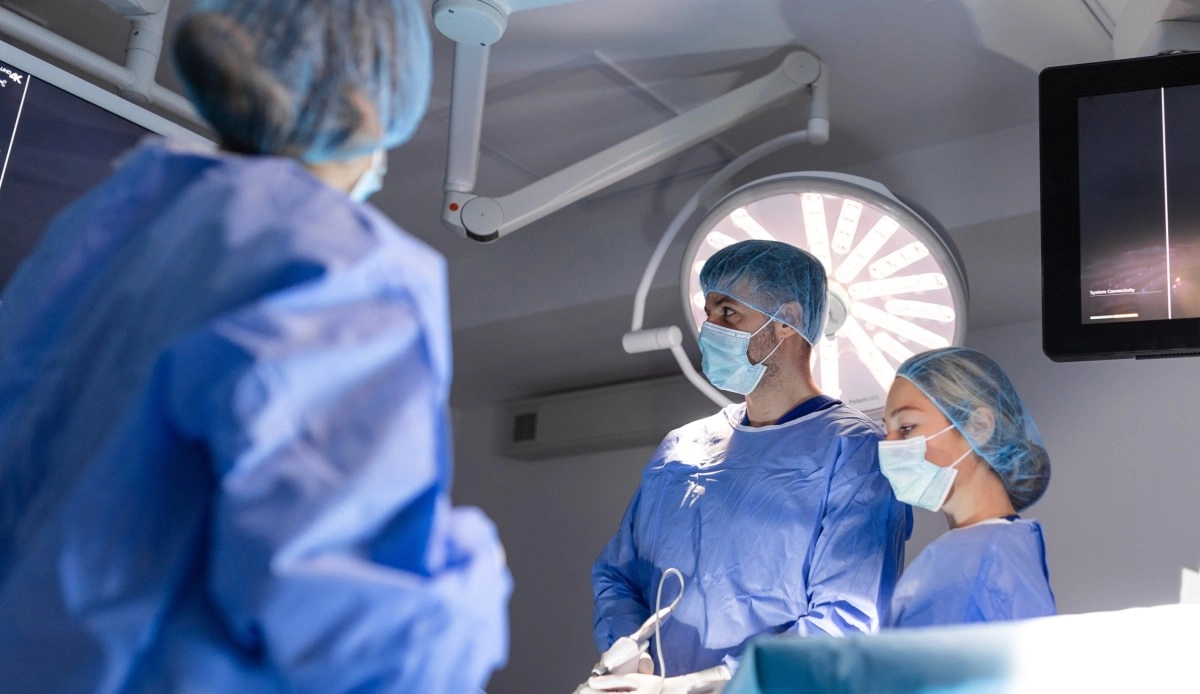

The use of anti-obesity drugs such as Ozempic and Mounjaro has led to an increase in demand for cosmetic surgeries among patients experiencing rapid weight loss. It is estimated that 25% of patients who attend cosmetic surgery consultations do so after losing weight due to these treatments.
Specialists emphasize that achieving thinness without control has a cost: rapid weight loss generates sagging and significant changes in body contour. The most affected areas include the abdomen, thighs and face, with 93% of surgeons reporting abdominal sagging as patients' main aesthetic concern.
According to a survey by the Spanish Association of Plastic Aesthetic Surgery (AECEP) of some 150 professionals from the entity, cited by EFE Health, almost 9 out of 10 specialists detect an increase in this type of surgical operations after losing weight due to the consumption of GLP-1 analogue drugs, also indicated in some cases for diabetes.
"We are observing a clear change in the profile of the patients who come to our consultations. The rapid weight loss associated with these treatments can generate significant alterations in the body and facial contour that, in many cases, require a surgical solution to recover aesthetic harmony," explains Dr. Beatriz Berenguer, president of the AECEP.
Most requested surgical procedures
The surgical procedures that have experienced a significant increase, especially in the body area, are:
Abdominoplasty: About 90% of surgeons mention it as the most requested surgery.
Facelift: Almost 60% highlight its popularity among aesthetic requests.
Expert recommendations
Health professionals emphasize the need to use these medications under strict medical supervision.
It is suggested to make changes in lifestyle habits, such as maintaining adequate nutrition and an exercise regimen, to avoid long-term adverse effects, such as the risk of rebound effect.
They emphasize the importance of understanding these treatments as a complementary tool within a global health approach.
Typical profile of these patients
The typical profile of patients seeking cosmetic surgery after using anti-obesity drugs is predominantly female (83% of cases) and middle-aged, especially between 45 and 60 years old.
Main reason. Sequelae of rapid weight loss: abdominal sagging, excess skin, loss of facial volume and “disorganized body”.
Most requested area. Body (60% of cases), with the abdomen being the main affected area.
Most demanded procedure. Abdominoplasty, cruroplasty, brachioplasty and mastopexy to correct sagging.
emotional state. They feel guilt/disappointment: the treatment was satisfactory (they lost 20-30 kg) but they do not recognize themselves in their new flaccid body.
Previously used drugs. GLP-1 analogues such as Ozempic and Mounjaro.
This phenomenon is popularly known as the “Ozempic effect”.
You may also be interested in:
· Doctor loses 70 pounds of weight with a carnivorous diet: “Americans have been deceived about nutrition,” he asserts · New research shows that the consumption of dairy and calcium can prevent metabolic syndrome · Influencers promote “parasite cleanses” that doctors do not recommend