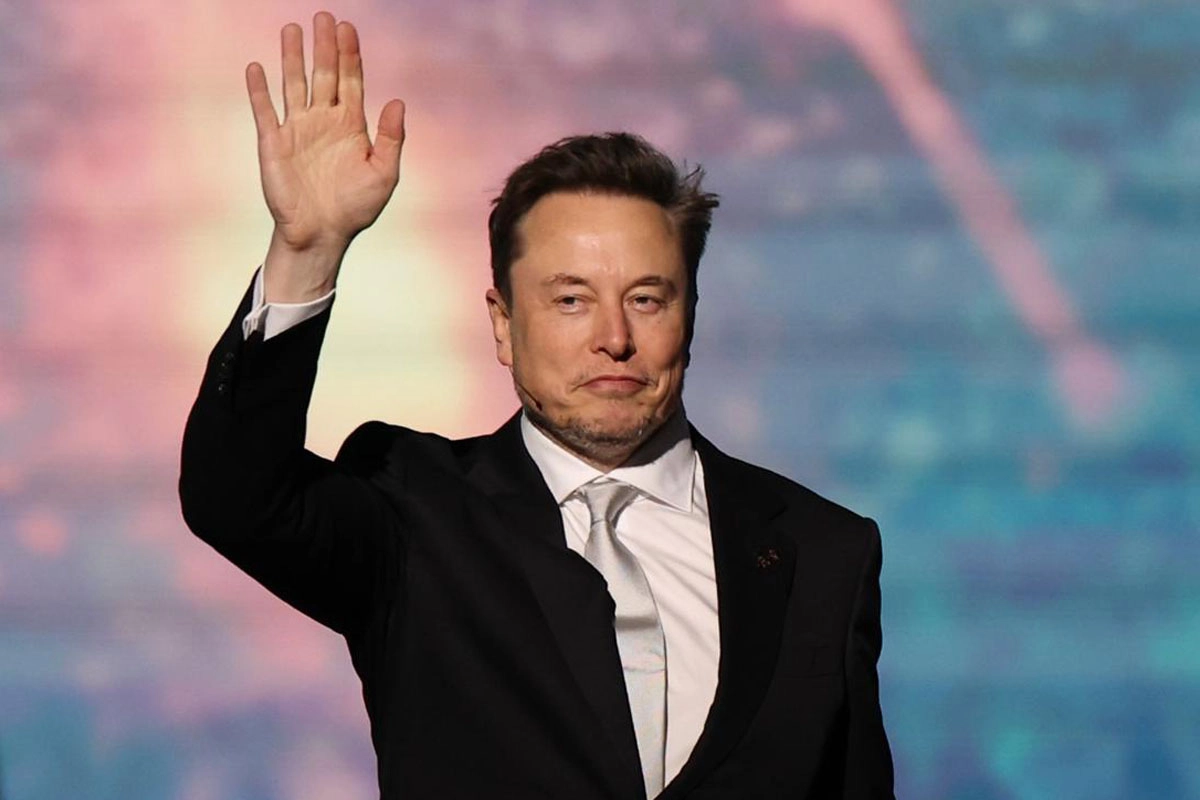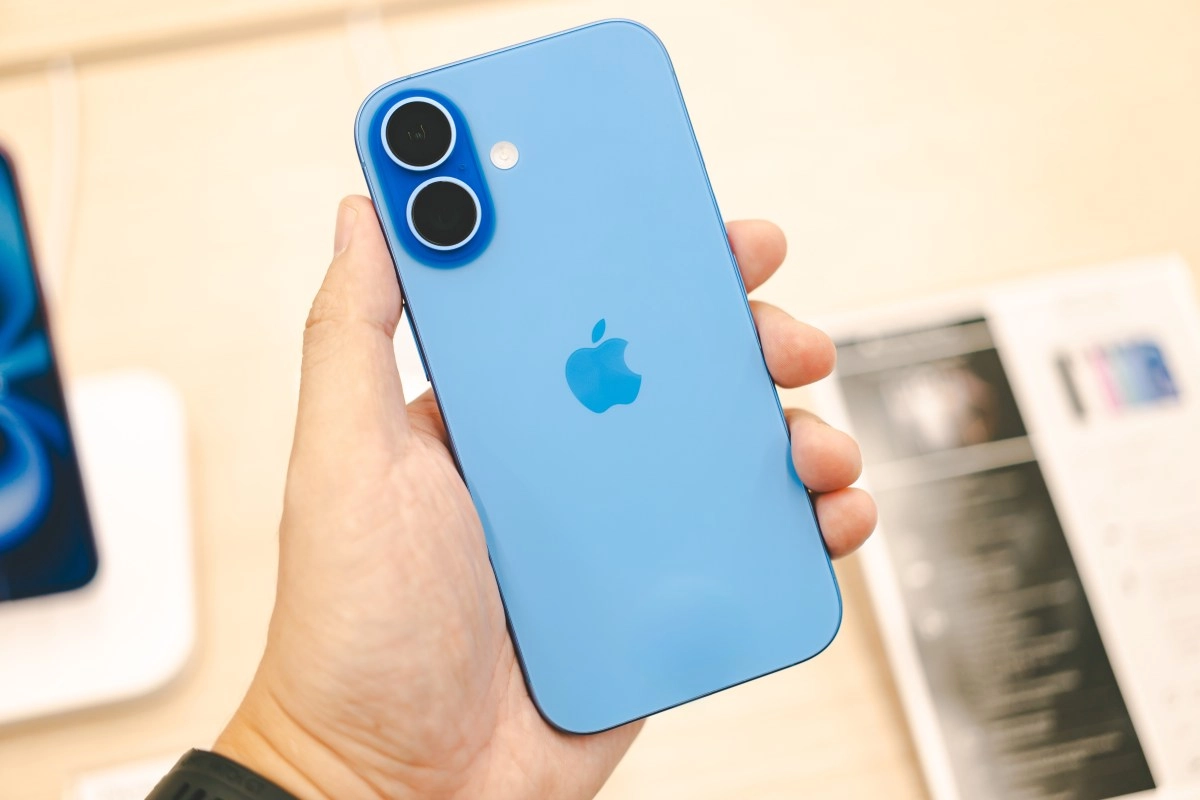

Apple continues to grapple with the global memory crisis that has skyrocketed manufacturing costs across the industry, and its CEO has just lowered the expectations of those hoping for a quick respite in prices. During the fiscal third quarter 2026 earnings call, Tim Cook was direct in acknowledging that adding more memory suppliers does not guarantee that the brand's products will cost the same as before.
The question arose when Cook and CFO Kevan Parekh were asked whether the strategy of diversifying suppliers was truly intended to mitigate rote inflation or simply maintain the perceived value of their products in front of the customer. The executive's response showed that the issue is more complicated than it seems at first glance.
What Cook said about suppliers and the final price
Cook explained that the DRAM market is practically dominated by three suppliers, and that having more options would help improve component availability, something crucial after shortages forced Apple to raise prices on several products in recent quarters.
However, when the topic turned to the final price that the consumer pays, the CEO corrected himself in the middle of the interview. First he suggested that more suppliers could also help lower costs, but he immediately qualified his comment with a phrase that sums up the situation quite well: “it is unclear on the issue of prices, but it could help on the issue of supply.” That little hesitation didn't go unnoticed, because it seems like a subtle way to manage expectations before people start dreaming about sales that probably won't come anytime soon.
It is worth mentioning that Apple has been lobbying the US government to obtain authorization to purchase memory from Chinese manufacturers such as CXMT and YMTC, currently on the blacklist. The idea would be to use these components in devices sold outside the US market, thus freeing up memory from their usual suppliers for equipment that is sold in the United States.
A memory crisis that hits the entire technology industry
What Apple is going through is not an isolated problem or exclusive to the brand. The entire technology industry is suffering the same headache due to the uncontrolled rise in prices of RAM and processors, a phenomenon driven mainly by the insatiable demand for artificial intelligence.
Data centers dedicated to AI are monopolizing the world's production of memory chips, leaving less and less room for the traditional consumer market. According to data from TrendForce, DRAM and NAND Flash prices accumulated increases that exceeded 90% in the first quarters of 2026, and projections suggest that the increases will continue without clear signs of normalization until 2028.
That context explains why Apple updated its prices on several of its most popular products. The Mac Studio M3 Ultra rose $1,300 and the 16-inch MacBook Pro added $400 to its price tag, changes the company itself described as a response to an “unprecedented challenge” in its supply chain. Other PC and laptop brands have also passed these costs on to their consumers, so Apple is not alone in this complicated equation.
The interesting thing about the case is that not even solving the supplier bottleneck seems to be a guarantee of relief for the consumer's pocket. Cook was quite honest in admitting that uncertainty, and his comment functions almost as a disguised warning. If the person in charge of one of the largest companies in the world cannot guarantee that prices will fall even if supply improves, it is probably wisest to accept that these increases are here to stay, at least for a while.
Meanwhile, Apple continues to evaluate “all options” available, in Cook's own words, which includes both supplier diversification and possible internal adjustments to its manufacturing strategy. The truth is that the memory crisis is no longer a technical problem exclusive to component manufacturers and now directly impacts the price that anyone pays for a new iPhone, Mac or iPad.