

ICE expands surveillance and not only on immigrants
Use of digital tools to track immigrants also allows monitoring of protesters and documentation of raids
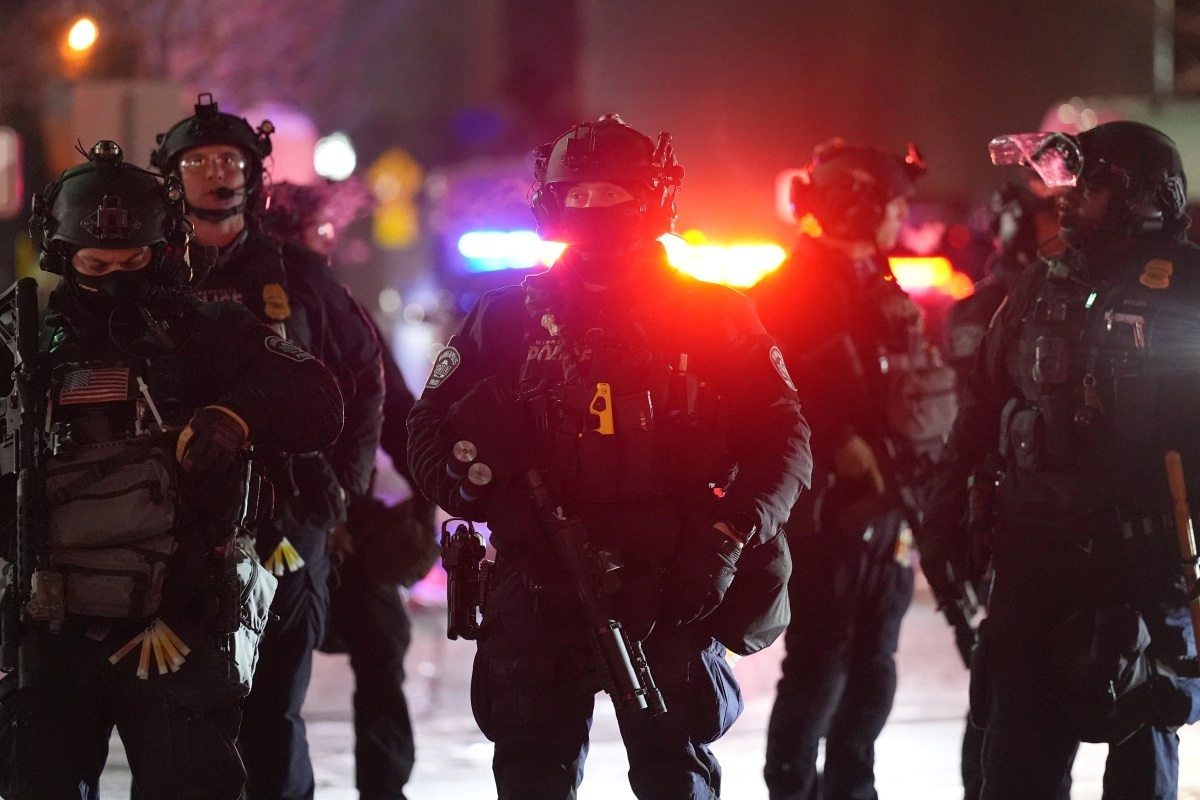

The use of facial recognition technology by immigration authorities in the United States is generating an intense debate about privacy, surveillance, and civil rights. According to a report by The New York Times, Immigration and Customs Enforcement (ICE) has increasingly incorporated technological tools to identify individuals during immigration operations, including not only immigrants but also protesters and observers. This technological shift occurs within the framework of the hardline immigration policy promoted by President Donald Trump. In April 2025, the acting director of ICE, Todd Lyons, stated that deportations should operate with the efficiency of high-speed logistics services and even went so far as to say that he sought to make Amazon-style “deliveries,” “like Prime, but with human beings.” Beyond the logistics, which were severely criticized at the time, what has drawn attention is the digital dimension that the operations have reached. Surveillance in Immigration Operations According to The New York Times, in cities like Minneapolis, agents have been observed recording those documenting raids, generating a kind of cross-surveillance, although with clear power disadvantages. Civil rights organizations warn that this could inhibit the work of journalists and activists. Furthermore, the Department of Homeland Security (DHS) has indicated in some cases that disseminating information about agents could be considered doxxing. At the same time, many agents cover their faces during operations, which has fueled questions about the transparency with which they claim to be working.
Facial recognition apps at the center of the debate
Among the tools mentioned as being used by ICE is Mobile Fortify, a mobile application that can “help determine immigration status.” However, identification errors have already been reported; According to the aforementioned media outlet, the tools show cases in which the same person was identified twice as different individuals, and neither identification proved accurate. Among the tools, technologies from companies like Clearview AI have also been linked, as well as other platforms capable of tracking devices or analyzing social media.Although the contracts for these technologies are not large-scale in terms of federal spending, experts warn that their reach could expand rapidly. The political context adds another layer to the debate: recent executive orders on domestic threats and memos calling for the collection of information on protesters have raised alarms among civil liberties advocates. While the DHS has denied the existence of “domestic terrorist” databases, the concern is palpable.