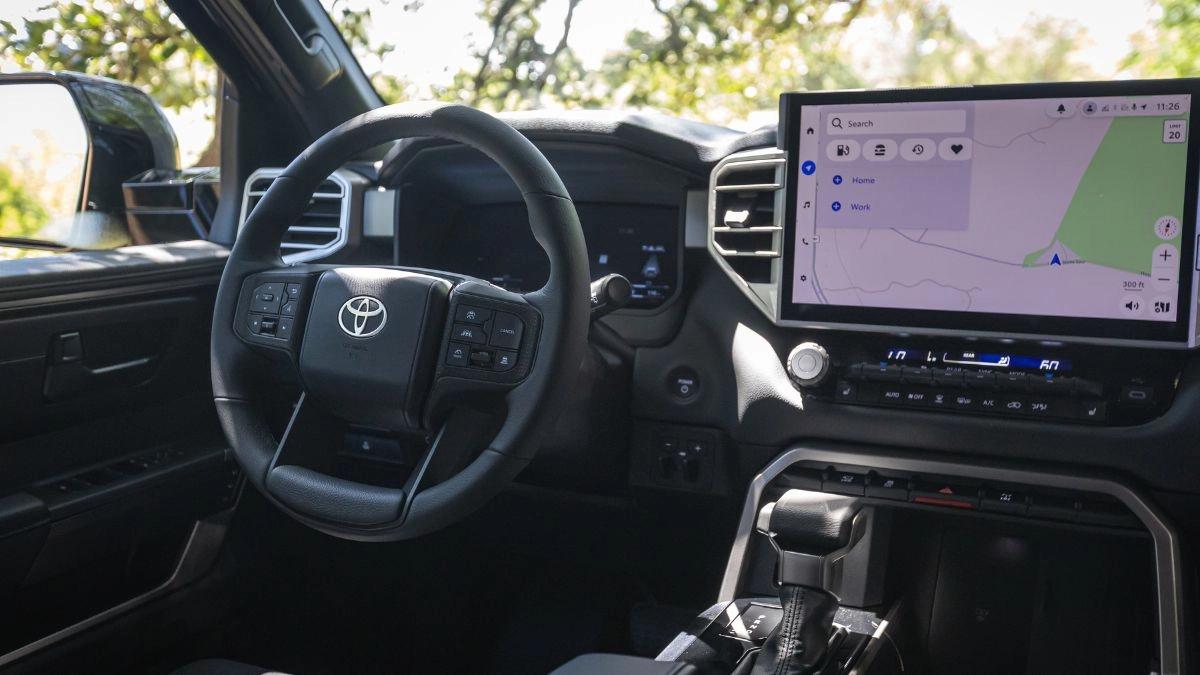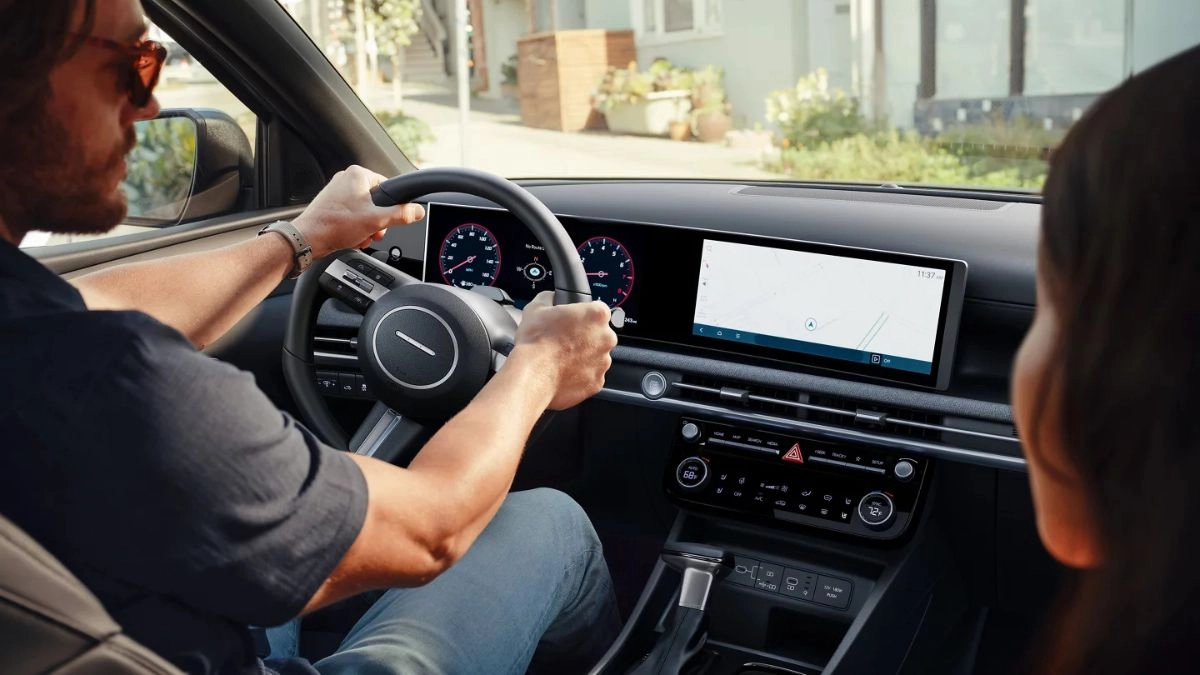

Pressing the clutch, finding the right gear and accelerating again seems like a completely mechanical routine for someone who has been driving for years. However, this sequence forces the brain to coordinate several actions at the same time and could have an interesting effect on certain cognitive functions.
Read also: Ford launches a pink Bronco that was born from the landscapes of Utah
Researchers at Tohoku University in Japan studied the differences between driving a manual car and an automatic car using neuroimaging techniques. Their results point to greater activity of the prefrontal cortex when the driver must be in charge of changing gears.
You can read: Lamborghini and Halo come together in a Urus inspired by Master Chief
This brain region is related to processes such as attention, working memory and decision making. Therefore, manual driving introduces an additional level of mental involvement versus a transmission that automatically does much of the work.
A little exercise behind the wheel
The difference is not only in moving a lever. Whoever drives a manual vehicle has to listen to the engine speed, calculate when to shift, control the clutch and regulate the accelerator while watching traffic.
Everything happens practically at the same time. This combination generates a constant process of perception, decision and response that keeps the driver involved in what is happening with the vehicle.
The researchers propose that this requirement could function as a kind of “low intensity training” for some cognitive abilities. That does not mean that manual driving is enough to preserve brain health or that it can replace physical exercise, a balanced diet or other healthy habits.
The idea is simpler. An everyday activity that requires making decisions and coordinating movements can repeatedly add stimuli to the brain.
Driving also requires attention
The effect could go beyond brain activity. By constantly having to decide which gear to use, the driver remains more aware of the car's behavior and road conditions.
A slope, for example, may force you to downshift. A passing maneuver may require priming the engine before accelerating. Even the sound of the propeller becomes a signal that helps determine what to do next.
In an automatic vehicle, many of those decisions are left to the transmission. That doesn't mean that driving an automatic car necessarily reduces your attention span, but it does change the amount of tasks that fall directly on whoever is behind the wheel.
There are fewer and fewer manual options
The finding is curious if you take into account that manual transmissions are losing presence. In Japan, only between 1% and 2% of new vehicles are sold with a clutch pedal, while in the United States they represent around 0.7% of sales during 2024.
Europe retains a greater presence of these boxes, although it does not escape the trend towards automatic transmissions. Spain and Italy still register a share of more than 40% for manual transmissions, but the supply of available models is progressively reduced.
For fans, the Japanese study provides an additional argument to defend a technology that appears less and less in dealerships. The manual transmission not only changes the way you drive, but forces you to actively participate in more decisions during each ride.
Of course, it is advisable not to exaggerate your conclusions. Research indicates greater activity in certain areas of the brain during manual driving, but that is not the same as proving that shifting gears prevents neurological diseases or stops cognitive decline.
What is clear is that driving a manual car requires more coordination and attention. And for those who enjoy that connection with the car, there's now one more reason to keep pushing the clutch and searching for the next gear.