

Neither Tesla nor BYD: electric vehicles that already charge 300 km in just 10 minutes
BMW, Lucid and Mercedes lead the new era of electric cars capable of covering hundreds of kilometers in just minutes
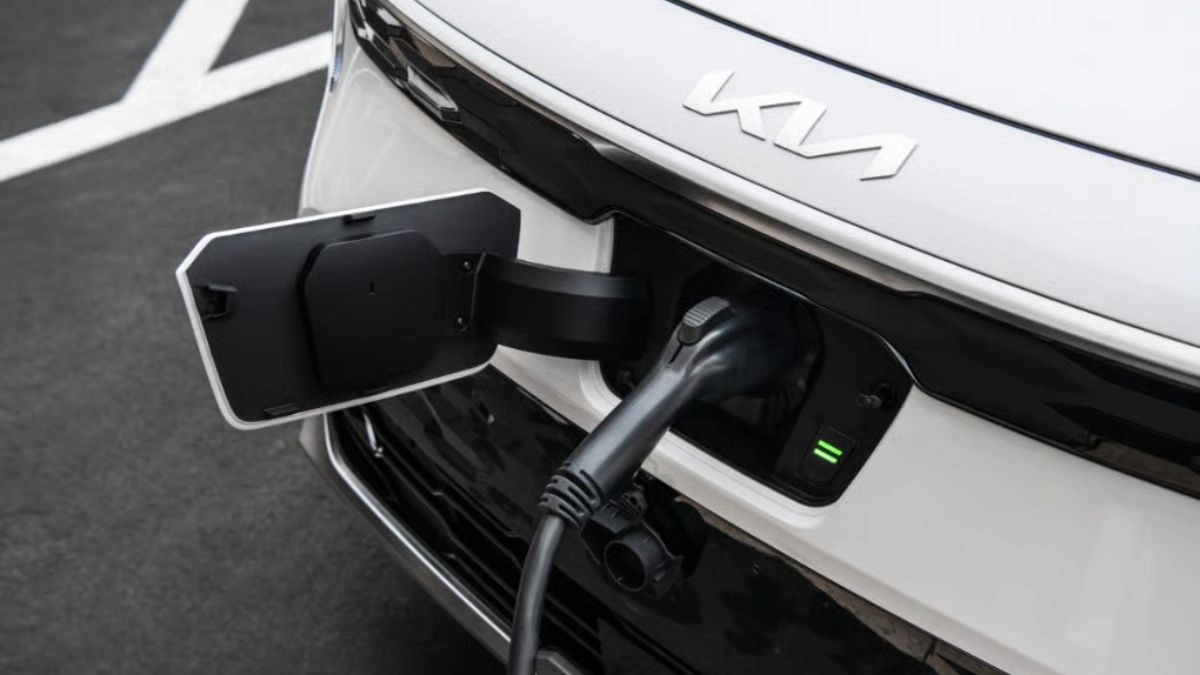

Autonomy is still important in electric cars, but the focus is no longer solely there. What really starts to make differences between manufacturers is the time it takes for a car to get back on the road after being plugged in. And in 2026 there are already models capable of recovering hundreds of kilometers in just a few minutes.
Read also: The most searched cars on Google are not the best sellers in the US.
The evolution is being so rapid that several traditional brands and new premium manufacturers managed to overtake giants like Tesla and BYD in one of the most sensitive sections for drivers. The industry's new obsession is clear, making stopping to recharge almost as fast as refueling.
You can read: Five car noises that can empty your pocket
Among the models that lead this new generation are names such as BMW, Lucid, Volvo, Mercedes-Benz or Lotus, all with 800-volt electrical architectures and systems prepared to support ultra-fast charges.
BMW and Lucid top the list
The tie at the top is between two electric SUVs that aim very high. On the one hand, the new BMW iX3 appears, developed on the Neue Klasse platform. The German model supports charges of up to 400 kW and manages to recover nearly 300 kilometers of autonomy in just 10 minutes.
BMW also claims that the iX3 50 xDrive version can go from 10% to 80% battery in just 21 minutes. All this accompanied by a useful 108.7 kWh battery and an approved range of close to 700 kilometers.
Nearby is the Lucid Gravity, the American brand's electric SUV. It uses an evolution of the Lucid Air platform and also reaches charging powers of up to 400 kW. Its 123 kWh battery needs around 23 minutes to complete a recharge from 10% to 80%, while the approved range reaches up to 725 kilometers.
Volvo accelerates hard with the EX60
Another model that is beginning to attract a lot of attention is the Volvo EX60. The Swedish SUV uses the new SPA3 architecture and also relies on an 800-volt system.
The P6 and P10 variants can complete a charge from 10% to 80% in just 16 minutes, a truly competitive figure within the segment. The P12 version, equipped with a 112 kWh battery, increases the time to 19 minutes, although it is still among the market references.
Hummer and Silverado surprise with their technology
General Motors also got fully involved in this technological race. The GMC Hummer EV and Hummer EV SUV incorporate a quite particular solution. While driving they operate with a 400 volt system, but when recharging they automatically switch to 800 volts to speed up the process.
Thanks to this, both models can recover up to 160 kilometers of autonomy in just 12 minutes using high-power chargers.
Something similar happens with the Chevrolet Silverado EV. The North American electric pickup can add up to 193 kilometers of range in just 10 minutes thanks to a system that rearranges the battery to double the voltage during recharging.
Lotus, Polestar and Mercedes are not far behind either
Lotus also enters the conversation with two models that are very fast when plugging in. The Emeya supports up to 350 kW and needs just 18 minutes to go from 10% to 80% battery.
The Lotus Eletre shares practically all the technology, although it takes about 20 minutes to complete the same operation. In exchange, it can add up to 120 extra kilometers of autonomy in just five minutes connected.
Another model that made a significant leap is the Polestar 3. After updating its electrical architecture to 800 volts, it can now charge at a maximum of 350 kW and reduce waiting times to 22 minutes, going from 10% to 80%.
Mercedes-Benz is also going strong with its new electric cars. The future GLC with EQ technology promises to recover up to 300 kilometers of autonomy in 10 minutes, while the new electric CLA manages to complete a recharge from 10% to 80% in about 22 minutes thanks to a maximum power of 320 kW.