

New tires on the back or front: What's safer?
When replacing only two tires on a vehicle, many drivers are unsure where to mount them. Placing them on the rear improves stability
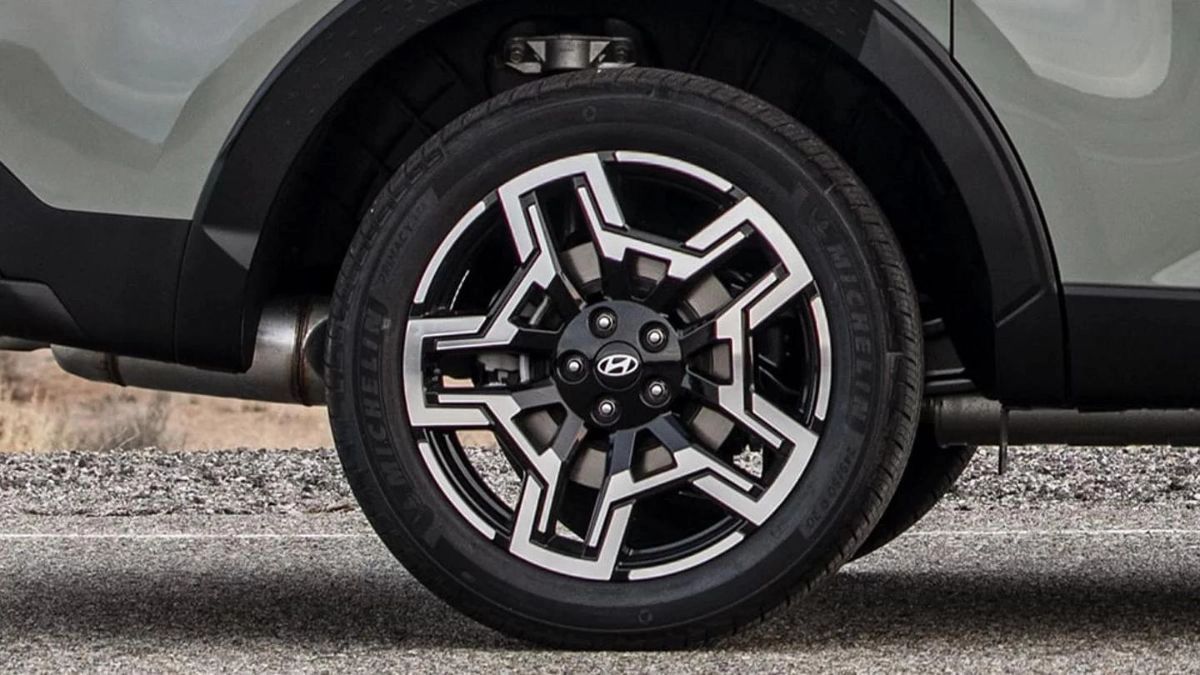

Car care isn't limited to changing the oil or checking the brakes periodically. There are seemingly simple decisions that have a direct impact on safety, and one of them arises when it's time to replace tires.
Especially when budget or wear and tear forces drivers to replace only one pair, a very common question arises among drivers: Is it better to mount the new tires on the front or the rear?
At first glance, many opt to install them on the front axle. The argument seems logical: the engine is usually in the front, the front wheels turn, brake, and support a large part of the vehicle's weight. However, from a vehicle dynamics and safety standpoint, this choice is not the most advisable.
Why New Tires Should Go on the Rear
Although it's not always intuitive, the tires in the best condition should be placed on the rear axle, regardless of whether the vehicle is front-wheel drive, rear-wheel drive, or all-wheel drive. The main reason is vehicle control in emergency situations.
The rear axle plays a fundamental role in stability, especially when cornering at medium or high speeds and during hard braking.
If the rear tires have less grip than the front tires, the vehicle may oversteer, meaning it loses stability at the rear, a situation difficult to correct even for experienced drivers. Conversely, if the front tires are more worn and lose grip, the handling is usually more predictable, resulting in understeer, which allows for a more controlled steering response. What happens on wet surfaces or curves? The risk of mounting new tires on the front increases significantly on wet surfaces. In these conditions,Worn rear tires can cause sudden skidding that results in spinouts or running off the road. On curves, rear grip is key to maintaining your trajectory. That's why putting new tires on the rear helps maintain vehicle balance and reduces the risk of accidents, even in everyday maneuvers like swerving to avoid an obstacle or braking in an emergency. Clear signs that it's time to change your tires. Beyond their location, it's essential to identify when a tire is no longer safe. There are obvious signs that shouldn't be ignored: A practical method for assessing tire condition is the well-known coin test. By inserting a coin into the tire grooves, if the tread doesn't cover the visible metal part, it means the wear is excessive and the tire should be replaced.
Durability and Better Return on Investment
Placing new tires on the rear axle not only improves safety but also helps optimize their lifespan. Rear tires typically wear more slowly and evenly, allowing you to get more out of their capacity before they need replacing.
Tires that still have acceptable wear can be installed on the front axle, where natural wear is greater and more even. This smart rotation contributes to more efficient maintenance and more balanced vehicle handling.
Although habit or intuition leads many to mount new tires on the front, technical evidence shows that the safest option is to install them on the rear. This decision reduces risks, improves vehicle control, and can make a crucial difference in unforeseen situations.