

Driving in the city can shorten the life of your vehicle
Urban routes place greater demands on the engine, brakes and transmission, accelerating vehicle wear compared to highway driving.
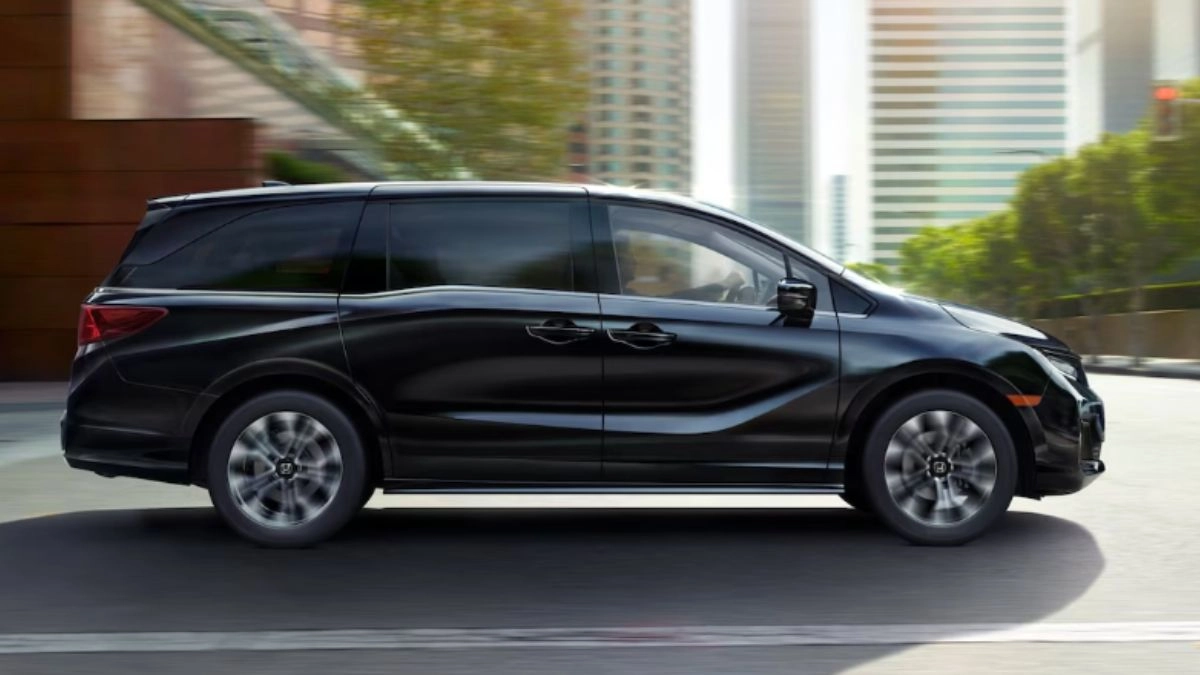

Many drivers believe that a car's biggest enemy is long road trips. However, the reality is usually very different. A vehicle that spends most of its time traveling on congested streets can suffer more rapid wear than one that accumulates many more kilometers on highways.
Read also: Volkswagen begins to say goodbye to the diesel Golf in Europe
The explanation lies in the way each of its systems works. While on the road the engine maintains a constant and stable rhythm, in the city it must face continuous braking, acceleration, traffic lights, traffic jams and long periods stopped with the engine on.
You can read: Xiaomi expands its strategy and enters the hybrid segment
This type of use forces various components to work more intensely and ends up reducing their useful life, even if daily trips are relatively short.
The engine works in more demanding conditions
Urban traffic forces the engine to start, accelerate, stop and restart again and again. Furthermore, on many short trips it does not even reach its ideal operating temperature before shutting down again.
Such intermittent operation decreases mechanical efficiency and can increase internal wear over time.
The United States Department of Energy has also pointed out that the conditions of urban driving reduce fuel efficiency precisely because of the constant interruptions in driving.
Every time the driver accelerates after a traffic light or a traffic jam, the engine needs greater effort to regain speed, which also increases gasoline consumption.
Brakes, tires and suspension take greater punishment
The brakes are probably the components that suffer the most when a vehicle drives through the city. Each intersection, traffic light or traffic jam forces you to use the system repeatedly, accelerating the wear of the pads and discs.
The tires are not immune to that effort either. Frequent turns, constant accelerations and the irregular condition of many roads generate uneven wear that can reduce its useful life.
The suspension also works harder than usual to absorb impacts caused by potholes, bumps and other pavement imperfections that rarely appear with the same frequency on a highway.
The transmission also feels the effect of traffic
Another system that supports a constant load is the transmission. Continuous speed changes force this component to work permanently, especially in vehicles with automatic transmission.
Added to this is the time that the car remains stopped with the engine on. Even if the vehicle does not move forward, the engine continues to consume fuel and all its components continue to function, generating wear and tear that often goes unnoticed.
It's not the kilometers, but the way you drive
The difference between a well-maintained car and one with premature wear does not always depend on the accumulated mileage. The environment where you drive and your driving style have an equal or even greater impact.
Those who use the vehicle mainly in the city can prolong its useful life by carrying out preventive maintenance, frequently checking brakes, tires and fluid levels, in addition to adopting a smoother drive, avoiding sudden acceleration and braking whenever possible.
In the end, urban trips represent one of the most demanding scenarios for any car. Understanding how each of your systems affects allows you to anticipate maintenance and reduce wear before it becomes a costly repair.