

Retail thefts increase as affordability concerns rise, analysis highlights
A LendingTree survey found that nearly 30% of Americans have shoplifted from retail stores this year due to economic woes.
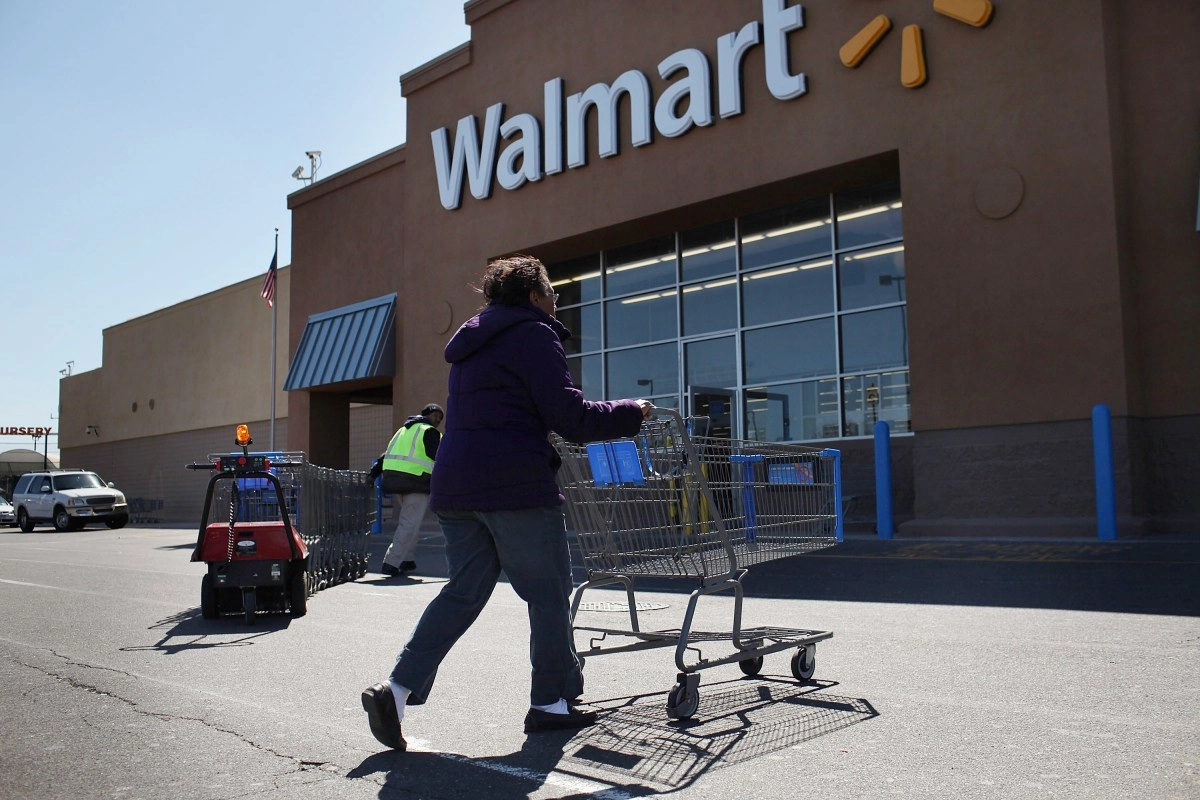

Although thefts in retail stores have always existed, they gained greater strength between 2020 and 2023. At that time, there were several influencing factors, such as the pandemic and the spike in inflation. This caused cities such as Los Angeles or New York to report an increase of up to 64% in so-called retail organized crime.
The increase in these practices led many retail chains to change their security systems and even to close several of their locations due to heavy vandalism in the area, and although companies frequently reported criminal acts, the problem worsened due to the lack of action by the competent entities.
And although three years have passed since the rise in this type of crime, new research developed by LendingTree reported that approximately 30% of Americans have stolen from retail stores this year, citing financial difficulties as the main reason.
For the analysis, about 2,000 people were surveyed early last month, determining that 90% of those respondents admitted to stealing. “These findings demonstrate the profound influence that inflation and financial stress continue to have on many households,” said Matt Schulz, chief consumer finance analyst at LendingTree.
The investigation detailed that most thefts from retail stores involve basic necessities such as food, clothing and personal hygiene products, as well as toys, school supplies or electronic devices.
“When people are willing to risk shoplifting for essentials like food and personal hygiene items, it's a sure sign that many families are having a hard time making ends meet,” Schulz says.
For LendingTree's economist, stealing from retailers may seem like a quick fix to the problem, but it comes with big consequences.