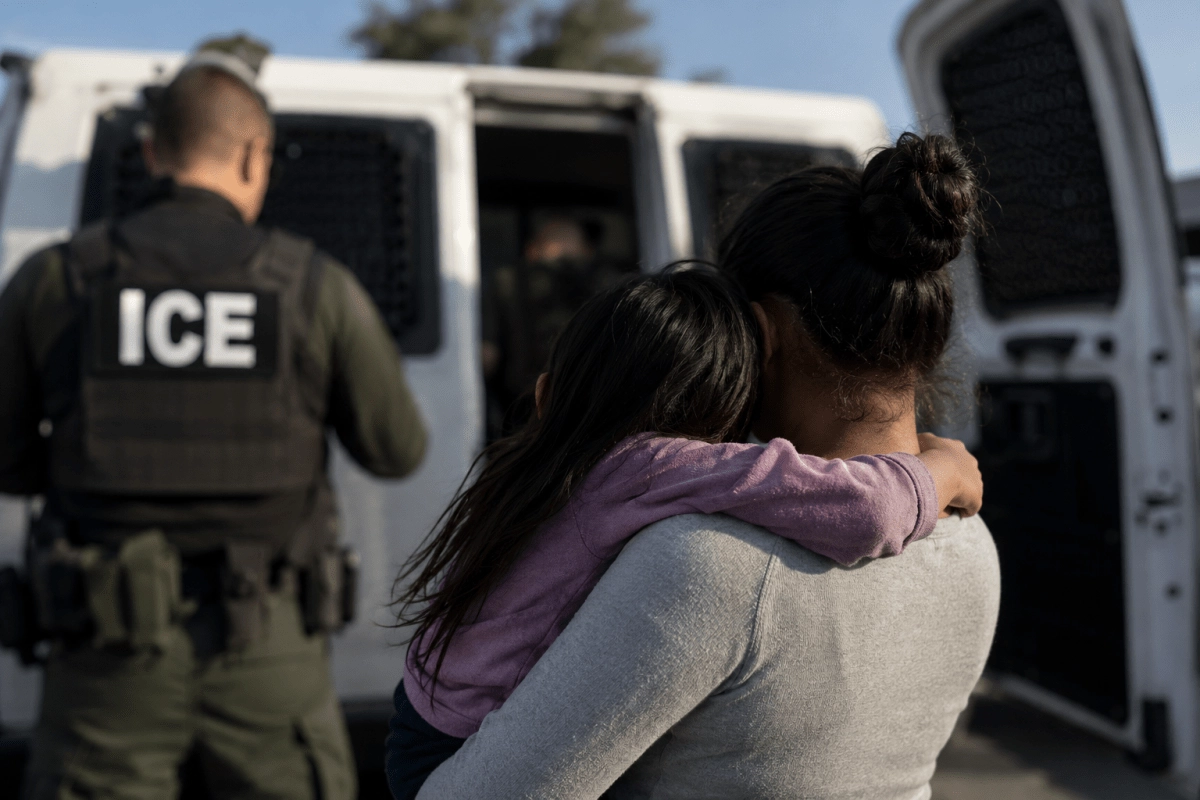

The migration restrictions implemented by the United States since 2025 have significantly modified regional migration routes and have turned Mexico into a territory of “forced waiting” for thousands of girls, boys and adolescents who remain for months, and even longer, in vulnerable conditions, according to a study presented by Plan International.
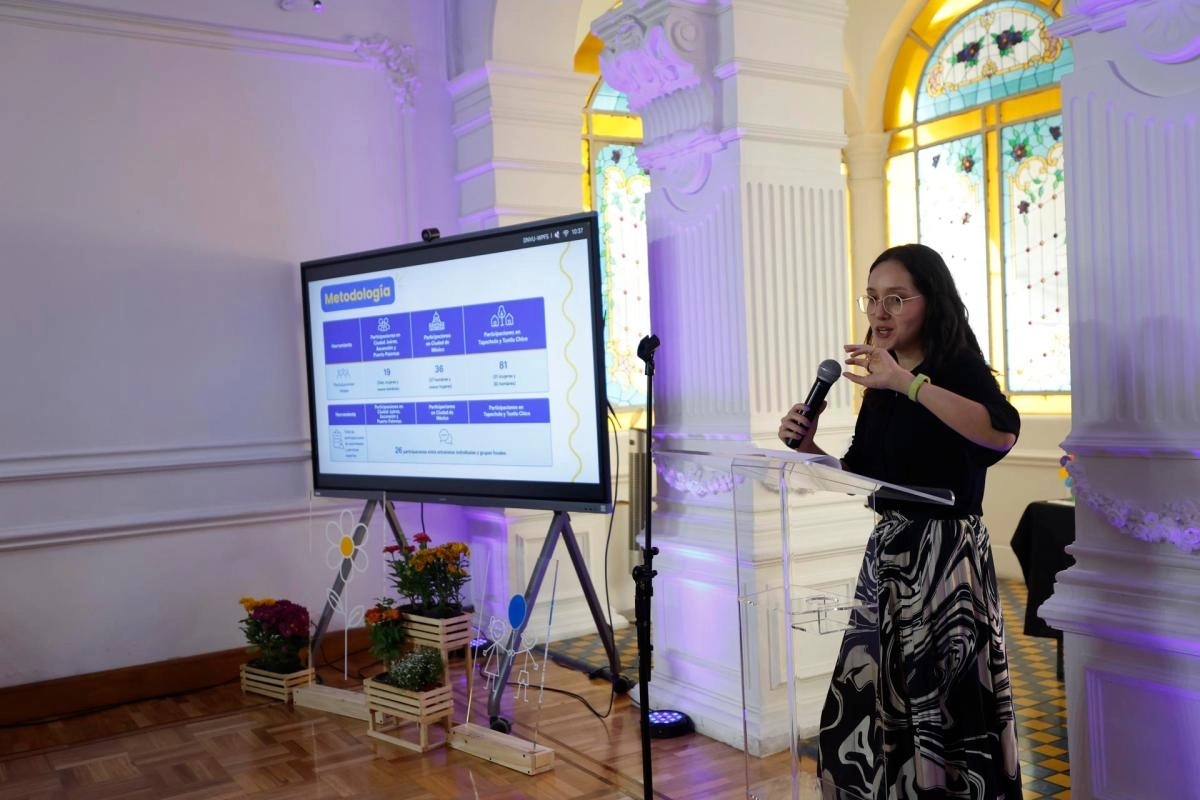
The research, titled Experiences and perceptions from the voice of girls, boys and adolescents in situations of mobility in Mexico, documents how the new immigration containment policies have caused many minors to no longer consider Mexico only as a transit point to the United States, but as a place where they must remain for a long time while they face uncertain migration processes. The study was carried out between January and March 2026 with the participation of 136 girls, boys and adolescents between six and 17 years old who live in Tapachula, Mexico City and Ciudad Juárez.
The research included interviews, workshops, surveys, drawings and social cartography exercises, as well as consultations with authorities and specialized organizations.
Three cities reflect a new migratory reality
Laura Mora, researcher at the Human Rights Program at the Universidad Iberoamericana, explained that the research identified three different scenarios that illustrate how the experience of immigrant children has changed.
In Tapachula, Chiapas, the city has established itself as a point of contention where regularization processes advance slowly and the reinforcement of border surveillance keeps numerous families stranded for long periods.
In Mexico City, which previously functioned primarily as a transit location, long-term stays now predominate. This situation has generated new challenges for the social integration of immigrant families, while care systems continue to be designed to respond to temporary stays, limiting access to education, food, immigration regularization and other services.
For its part, Ciudad Juárez has become a space of immobility for thousands of people who saw their chances of requesting asylum in the United States frustrated after the cancellation of mechanisms such as the CBP One application.
Fear, discrimination and risks persist
The report also documents that immigrant minors face multiple risks throughout their journey, including hunger, physical exhaustion, illness, dehydration, robbery, extortion, kidnapping, presence of criminal groups and discrimination. The testimonies collected describe particularly traumatic experiences during the crossing of the Darién Jungle, where many minors reported episodes of extreme fear, family losses and situations that affected their physical and emotional well-being.
Furthermore, the investigation indicates that many children maintain a deep distrust of the Mexican authorities for fear of being detained or suffering some type of violence. Among Venezuelan and Colombian minors, reports of discrimination related to their nationality were common.
However, the study also identifies progress in some regions of the country, such as educational programs in Chiapas, shelters for the immigrant population in Mexico City, and nutritional care initiatives in Chihuahua.
Gonzalo Rivera, representative of Plan International Mexico, stated that the transformation of the migration phenomenon requires modifying care models to respond to a reality in which thousands of girls, boys and adolescents remain for long periods in Mexican communities. “The findings we have shared remind us that behind every public decision there are girls, boys and adolescents who need timely, comprehensive responses focused on their rights,” Rivera said.