

RAM or storage: what should you spend your money on when buying a laptop?
Knowing which component is more important when choosing your next laptop can be key to enjoying the best possible performance
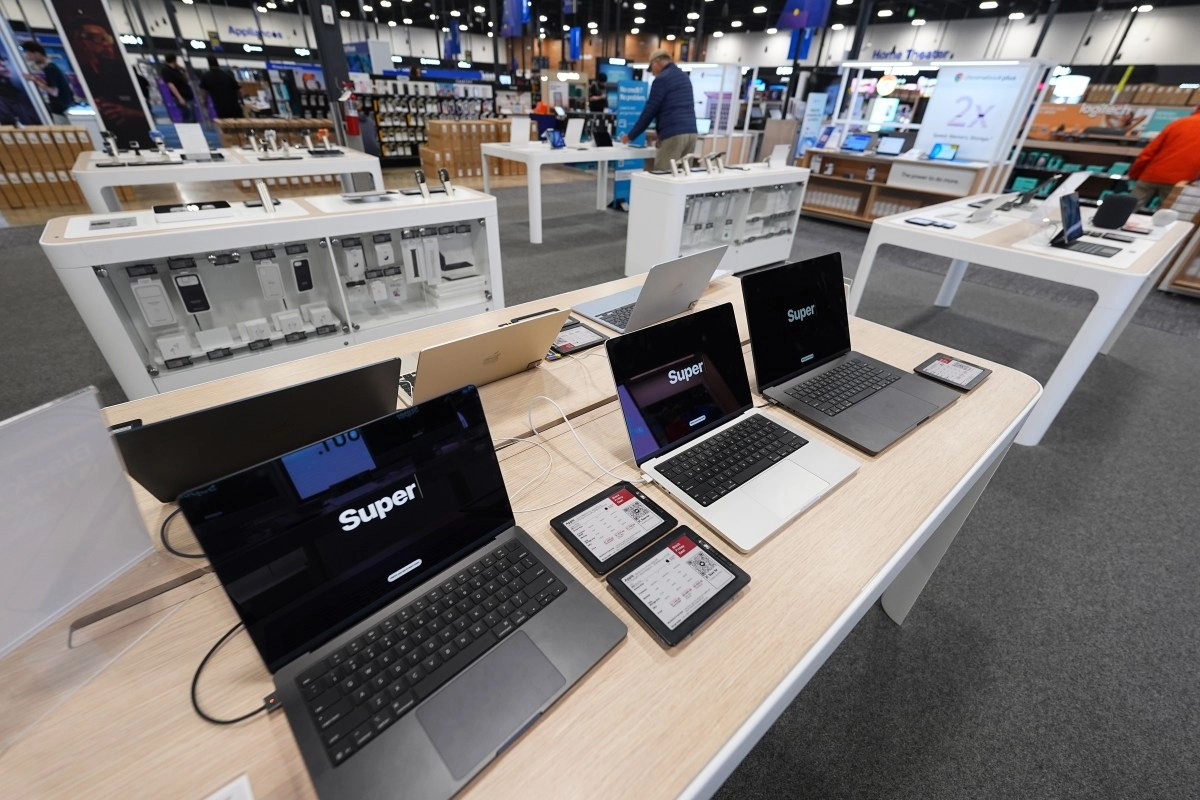

If you have a limited budget and must choose between more RAM or more storage in your next laptop, the answer isn't as obvious as it seems. Both components matter, but one directly impacts how the computer feels from the first day you turn it on. Here we explain everything you need to know so you don't regret your purchase.
RAM: the component that defines the daily user experience
RAM is basically your laptop's workspace. The more RAM you have available, the more things the processor can handle at the same time without the computer starting to freeze. Think of it this way: if the laptop were a kitchen, the RAM would be the countertop where you prepare the ingredients. If it's small, you can't do much at once, and everything becomes slow and chaotic.
In concrete terms, 8 GB of RAM is currently the reasonable minimum for everyday use: web browsing with several open tabs, documents, email, and streaming without major problems. However, if you use design tools, video editing software, or have the habit of working with dozens of tabs, 16 GB becomes almost mandatory to avoid problems.
Now, there's a detail many buyers overlook that can cost you dearly: in most modern laptops, especially ultrabooks and all MacBooks, the RAM is soldered to the motherboard and cannot be upgraded after purchase. This means that what you buy today is what you'll have forever. If the RAM is insufficient, there's no cheap solution later.
The special case of macOS: why the numbers don't add up
Here's something important to know if you're comparing a MacBook to a Windows laptop: machines with Apple Silicon (M1, M2, M3, and M4 chips) manage RAM in a completely different way. Apple uses what it calls "unified memory," which shares the same memory pool between the processor and the GPU. Thanks to this, macOS is significantly more RAM-efficient than Windows, and a MacBook with 8GB can feel smoother than a Windows machine with 8GB performing the same tasks.
This doesn't mean that 8GB on a Mac is always enough.If you do video editing in Final Cut Pro or work with multiple demanding applications, the difference is noticeable, and 16GB is still the smarter choice. But it does mean that you can't directly compare the numbers of both operating systems as if they were equivalent.
On Windows, laptops have more flexibility: some models allow you to upgrade the RAM after purchase, which can be a strategic advantage if your budget is tight now but not in the future. Before buying, check if the RAM in the model you're interested in is soldered or expandable.
Storage: Important, but with easier solutions
Storage is where your files, installed programs, and operating system live. A fast SSD makes a huge difference compared to a traditional hard drive: the system boots up faster, programs open in seconds, and the overall experience is much improved.
Therefore, if you have to choose between a slow or small SSD and a fast one, always choose the NVMe SSD, even if it has less capacity.
The minimum recommended today is 512 GB of SSD storage. However, unlike RAM, storage has more affordable solutions if you run short:
This flexibility is key: if you buy a laptop with 256 GB and run out of space, you can solve it with a 1 TB external hard drive for less than $60. If you buy a laptop with little RAM and it's soldered, there's no cheap fix for that.
So, where do you put your money if your budget is limited?
The clear answer is: prioritize RAM over storage. The reason is simple: insufficient RAM affects the computer's performance in real time, all the time, from the moment you open your browser to when you're editing a document.
Insufficient storage is a drawback that can be solved with inexpensive accessories. That said, the decision also depends on what you use the laptop for: On Windows, if you find a model with expandable RAM, you can buy a base version with 8GB and upgrade it yourself for an additional $30-$50 later, which can be a smart strategy. In the Mac world, that option doesn't exist, so you have to get it right from the start. At the end of the day, a laptop with little RAM feels slow and frustrating from day one. One with little storage simply forces you to buy an external drive. The choice, seen this way, is pretty clear.But it does mean you can't directly compare the numbers of both operating systems as if they were equivalent. In Windows, laptops offer more flexibility: some models allow you to upgrade the RAM after purchase, which can be a strategic advantage if your budget is tight now but not in the future. Before buying, check if the RAM in the model you're interested in is soldered or expandable. Storage: Important, but with easier solutions. Storage is where your files, installed programs, and operating system live.A fast SSD makes a huge difference compared to a traditional hard drive: the system boots up faster, programs open in seconds, and the overall experience is much improved. That's why, if you have to choose between a slow or small SSD and a fast one, always choose the NVMe SSD, even if it has less capacity. The minimum recommended today is 512 GB of SSD storage. However, unlike RAM, storage has more affordable solutions if you run short:
This flexibility is key: if you buy a laptop with 256 GB and run out of space, you can solve it with a 1 TB external hard drive for less than $60. If you buy a laptop with little RAM and it's soldered in, there's no cheap fix for that.
So, where do you put your money if your budget is limited?
The clear answer is: prioritize RAM over storage. The reason is simple: insufficient RAM affects the computer's performance in real time, all the time, from the moment you open your browser to when you're editing a document.
Insufficient storage is a drawback that can be solved with inexpensive accessories. That said, the decision also depends on what you use the laptop for: On Windows, if you find a model with expandable RAM, you can buy a base version with 8GB and upgrade it yourself for an additional $30-$50 later, which can be a smart strategy. In the Mac world, that option doesn't exist, so you have to get it right from the start. At the end of the day, a laptop with little RAM feels slow and frustrating from day one. One with little storage simply forces you to buy an external drive. The choice, seen this way, is pretty clear.But it does mean you can't directly compare the numbers of both operating systems as if they were equivalent. In Windows, laptops offer more flexibility: some models allow you to upgrade the RAM after purchase, which can be a strategic advantage if your budget is tight now but not in the future. Before buying, check if the RAM in the model you're interested in is soldered or expandable. Storage: Important, but with easier solutions. Storage is where your files, installed programs, and operating system live. A fast SSD makes a huge difference compared to a traditional hard drive: the system boots up faster, programs open in seconds, and the overall experience is much improved. That's why, if you have to choose between a slow or small SSD and a fast one, always choose the NVMe SSD, even if it has less capacity. The minimum recommended today is 512 GB of SSD storage. However, unlike RAM, storage has more affordable solutions if you run short:
This flexibility is key: if you buy a laptop with 256 GB and run out of space, you can solve it with a 1 TB external hard drive for less than $60. If you buy a laptop with little RAM and it's soldered in, there's no cheap fix for that.
So,where do you put your money if your budget is limited?
The clear answer is: prioritize RAM over storage. The reason is simple: insufficient RAM affects the computer's performance in real time, all the time, from the moment you open your browser to when you're editing a document.
Insufficient storage is a drawback that can be solved with inexpensive accessories. That said, the decision also depends on what you use the laptop for: On Windows, if you find a model with expandable RAM, you can buy a base version with 8GB and upgrade it yourself for an additional $30-$50 later, which can be a smart strategy. In the Mac world, that option doesn't exist, so you have to get it right from the start. At the end of the day, a laptop with little RAM feels slow and frustrating from day one. One with little storage simply forces you to buy an external drive. The choice, seen this way, is pretty clear.But with easier solutions
Storage is where your files, installed programs, and operating system live. A fast SSD makes a huge difference compared to a traditional hard drive: the system boots up faster, programs open in seconds, and the overall experience is much improved. That's why, if you have to choose between a slow or small SSD and a fast one, always choose the NVMe SSD, even if it has less capacity.
The minimum recommended today is 512 GB of SSD storage. However, unlike RAM, storage has more affordable solutions if you run short:
This flexibility is key: if you buy a laptop with 256 GB and run out of space, you can solve it with a 1 TB external drive for less than $60. If you buy a laptop with little RAM and it's soldered in, there's no cheap fix for that.
So, where do you put your money if your budget is limited?
The clear answer is: prioritize RAM over storage. The reason is simple: insufficient RAM affects the computer's performance in real time, all the time, from the moment you open your browser to when you're editing a document. Insufficient storage is an inconvenience that can be solved with inexpensive accessories. That said, the decision also depends on what you use the laptop for: On Windows, if you find a model with expandable RAM, you can buy a base version with 8GB and upgrade it yourself for an additional $30-$50 later, which can be a smart strategy. In the Mac world, that option doesn't exist, so you have to get it right from the start. At the end of the day, a laptop with insufficient RAM feels slow and frustrating from day one. One with insufficient storage simply forces you to buy an external drive. The choice, viewed this way, is quite clear.But with easier solutions
Storage is where your files, installed programs, and operating system live. A fast SSD makes a huge difference compared to a traditional hard drive: the system boots up faster,programs open in seconds, and the overall experience is much improved. That's why, if you have to choose between a slow or small SSD and a fast one, always choose the NVMe SSD, even if it has less capacity.
The minimum recommended today is 512 GB of SSD storage. However, unlike RAM, storage has more affordable solutions if you run short:
This flexibility is key: if you buy a laptop with 256 GB and run out of space, you can solve it with a 1 TB external drive for less than $60. If you buy a laptop with little RAM and it's soldered in, there's no cheap fix for that.
So, where do you put your money if your budget is limited?
The clear answer is: prioritize RAM over storage. The reason is simple: insufficient RAM affects the computer's performance in real time, all the time, from the moment you open your browser to when you're editing a document. Insufficient storage is an inconvenience that can be solved with inexpensive accessories. That said, the decision also depends on what you use the laptop for: On Windows, if you find a model with expandable RAM, you can buy a base version with 8GB and upgrade it yourself for an additional $30-$50 later, which can be a smart strategy. In the Mac world, that option doesn't exist, so you have to get it right from the start. At the end of the day, a laptop with insufficient RAM feels slow and frustrating from day one. One with insufficient storage simply forces you to buy an external drive. The choice, viewed this way, is quite clear.Where do you put your money if you're on a budget?
The clear answer is: prioritize RAM over storage. The reason is simple: insufficient RAM affects your computer's performance in real time, all the time, from the moment you open your browser to when you're editing a document. Insufficient storage is an inconvenience that can be solved with inexpensive accessories.
That said, the decision also depends on what you use the laptop for:
On Windows, if you find a model with expandable RAM, you can buy a base version with 8GB and upgrade it yourself for an additional $30-$50 later, which can be a smart strategy. In the Mac world, that option doesn't exist, so you have to get it right from the start.
At the end of the day, a laptop with little RAM feels slow and frustrating from day one. One with little storage simply forces you to buy an external drive. The choice, seen this way, is pretty clear.