

Circumcision in the spotlight: health guidelines consider it potentially harmful
The Crown Prosecution Service decided not to include circumcision alongside dowry abuse, witchcraft and female genital mutilation
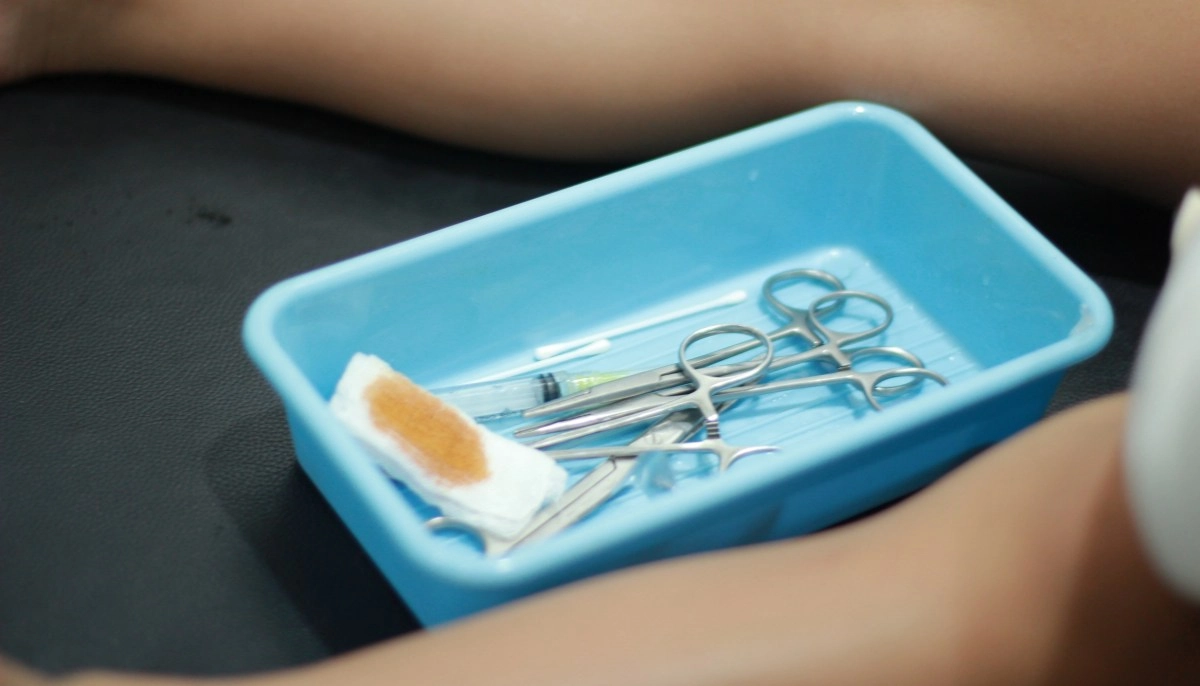

The UK Crown Prosecution Service (CPS) has updated its guidance on honour-based abuse offenses, excluding circumcision from its child abuse category. Despite the controversy surrounding this issue, the CPS will recognize situations in which this practice may be considered harmful. The CPS decided not to include circumcision alongside dowry abuse, witchcraft, and female genital mutilation. Immediately after the decision was announced, Jewish and Muslim groups expressed concern that circumcision could be considered child abuse. Meanwhile, leaders such as Rabbi Dr. Jonathan Romain have celebrated the CPS decision, noting the cultural and religious significance of circumcision, as reported by the British newspaper The Guardian. Safe Practices and Associated Risks: The CPS, instead, included a similar section on circumcision in its updated guidance on crimes against the person. The guidance reaffirms that circumcision can be safe when performed by qualified professionals. However, serious cases of complications have been documented, with alarming statistics on infant mortality related to the practice. Recent condemnations of irresponsible practitioners have highlighted the need for stricter regulation of circumcision practices. The CPS has indicated that it will consider each case individually, emphasizing the importance of the conditions under which the procedure is performed. Complications Associated with the Procedure: The main documented complications of circumcision by unqualified practitioners include serious infections, excessive bleeding, and amputations of the glans or penis. Infectious complications: Wound infections (sepsis) are the most common, accounting for up to 56% of cases in studies of traditional circumcisions, often exacerbated by non-sterile conditions and late presentation.Other complications include urosepsis, meatal stenosis with urinary obstruction, and urethral fistulas. Hemorrhagic and traumatic complications. Severe hemorrhage can lead to hemorrhagic shock or death, especially without adequate anesthesia or proper hemostasis. Partial or complete amputations of the glans or penis occur due to improper techniques, such as in reported cases involving misused Mogen forceps. Other serious sequelae include penile necrosis, gangrene, severe phimosis, urinary retention, dehydration with renal failure, and permanent sexual dysfunction. These rates are significantly higher (up to 60%) with traditional circumcisers versus medical ones (3-4%).