

Google removes reviews of ICE detention centers and deletes immigrant testimonials
An investigation reveals that hundreds of stories about conditions in the centers disappeared from Google Maps without prior notice
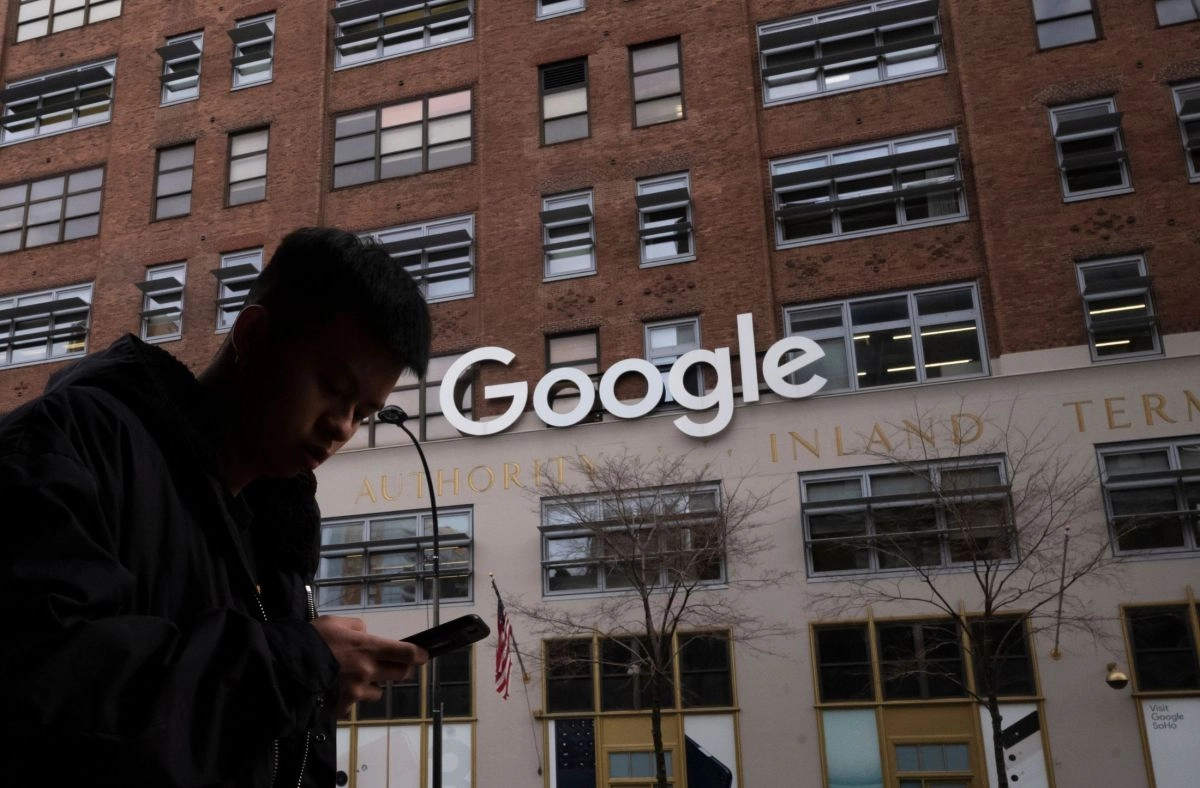

Thousands of testimonies about conditions in ICE detention centers disappeared from Google Maps, according to an investigation that accuses the technology company of removing reviews and blocking new posts in dozens of facilities used to detain immigrants in the United States.
The report, published by The Intercept, follows an investigation by Muira McCammon, a professor in the Department of Communication at Tulane University, who documented for months the reviews published by former detainees, family members and other people who shared experiences related to the centers of the Immigration and Customs Enforcement Service (ICE).
A digital file that disappeared
In 2025, McCammon collected a total of 1,636 reviews corresponding to 26 detention centers, in addition to identifying another 91 facilities where Google had already disabled the ability to publish comments.
However, upon checking the information again, he discovered that almost all the reviews had disappeared.
“Almost all of the Google reviews I originally collected in 2025 are no longer available,” the researcher told The Intercept.
In his study, McCammon maintains that the moderation applied by Google ends up suppressing relevant information about the ICE detention system, limiting access to testimonies that, in many cases, documented the conditions within these facilities.
Google defends its moderation policy
When consulted by the aforementioned media, Google spokesperson Genevieve Park denied that the deletions responded to pressure from the US government.
“Reviews help people decide where to go, and we don't show reviews in categories of places where people go without a choice,” the spokesperson explained, referring to prisons, police stations and detention centers.
Google maintains that it applies a policy announced since 2023 to remove comments in places where the reviews could be “unhelpful, harmful or taken out of context.”
For its part, a spokesperson for the Department of Homeland Security (DHS) assured the media that ICE did not request the removal of the reviews and rejected any intervention in the company's decisions.
Testimonies that denounced the conditions in the centers
Among the deleted posts were messages from relatives reporting problems communicating with detainees, as well as stories from former inmates about the conditions inside the centers.
A review, published by the aforementioned media, in Spanish stated: “You can barely hear the detainee when you call him on the phone.”
Others described alleged cockroach infestations, lack of translators and extremely low temperatures in cells.
For McCammon, these publications represented a public record about the functioning of the American immigration system. In the summary of his research, he concludes that Google's moderation decisions also influence the visibility of public institutions and the circulation of information about the ICE detention system.