

How to detect a gas leak: home tricks that work
If you suspect or confirm a gas leak, you must react immediately. The first thing to do is avoid any action that could generate a spark
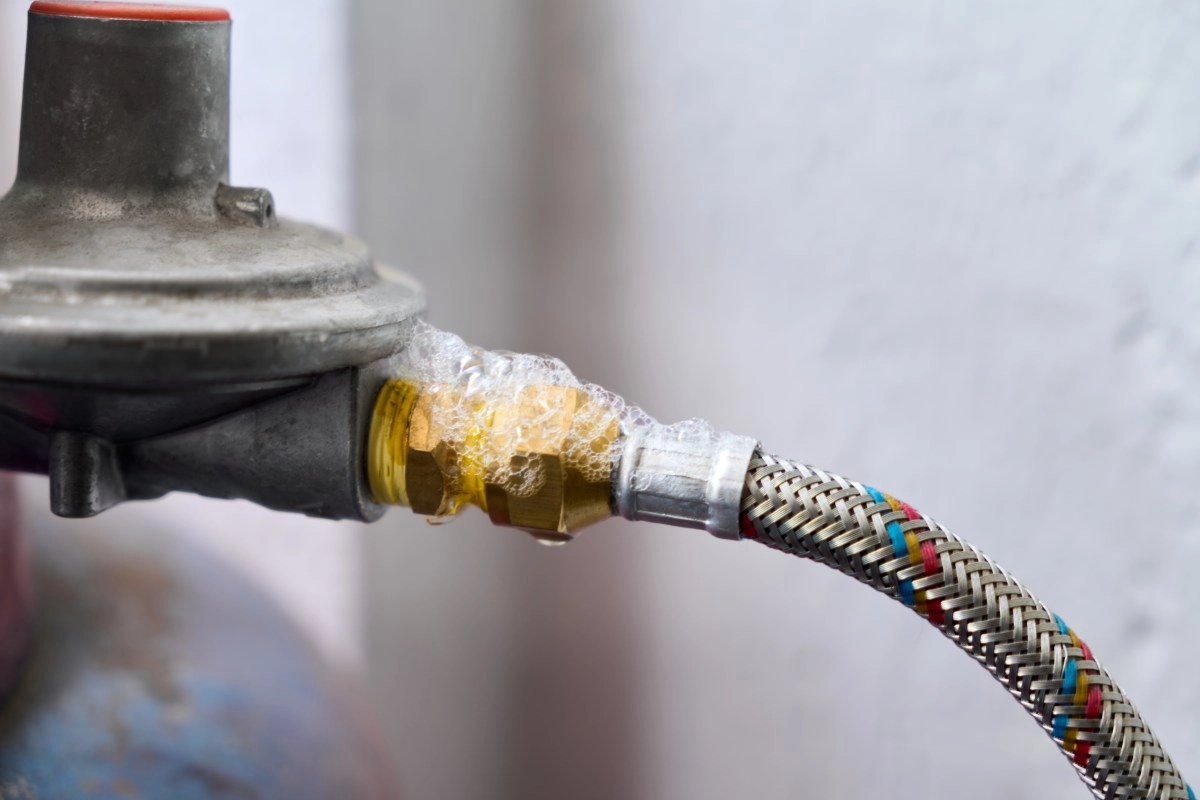

Home methods for detecting a gas leak are essential and can make the difference between a scare and a high-risk situation. While specialized equipment exists, these quick tricks can help identify problems in pipes or connections.
Domestic gas, such as natural gas or LP gas, is generally odorless in its original state. However, companies add a substance called mercaptan, which gives it that characteristic smell similar to sulfur or rotten eggs.
When you barely notice that smell, you can be sure there's a leak. If you have any doubts or concerns, it's best to call the experts immediately.
Also read: 5 appliances you should never leave plugged in, even if they're turned off
The soap trick to detect a gas leak
This method is highly effective and specialists often recommend it as a quick preventative measure. It consists of mixing water with liquid soap or detergent and applying it to the connections, valves, or hoses where there might be a leak.
If bubbles appear that grow or persist, it's a clear sign of a leak. This method works because the escaping gas generates pressure in the mixture and forms visible bubbles. It is also useful when the smell is not strong enough and there is no sound of a leak. Its purpose is to verify that the hoses and connections are installed correctly. What to do if you detect a leak: If you suspect or confirm a gas leak, you must react immediately. The first thing is to avoid any action that could generate a spark. Follow these VITAL steps: It is essential to make the call from outside to avoid risks. Beyond reacting in time, the best strategy is prevention. Periodically check the installations,Replacing worn-out hoses and ensuring equipment is in good working order can significantly reduce the risk of a gas leak.