

New tariffs imposed by Trump enter into force and trade war with their partners intensifies
Once the date arrived, the tariffs imposed by Donald Trump on dozens of countries became a reality, as part of his economic policy weapon
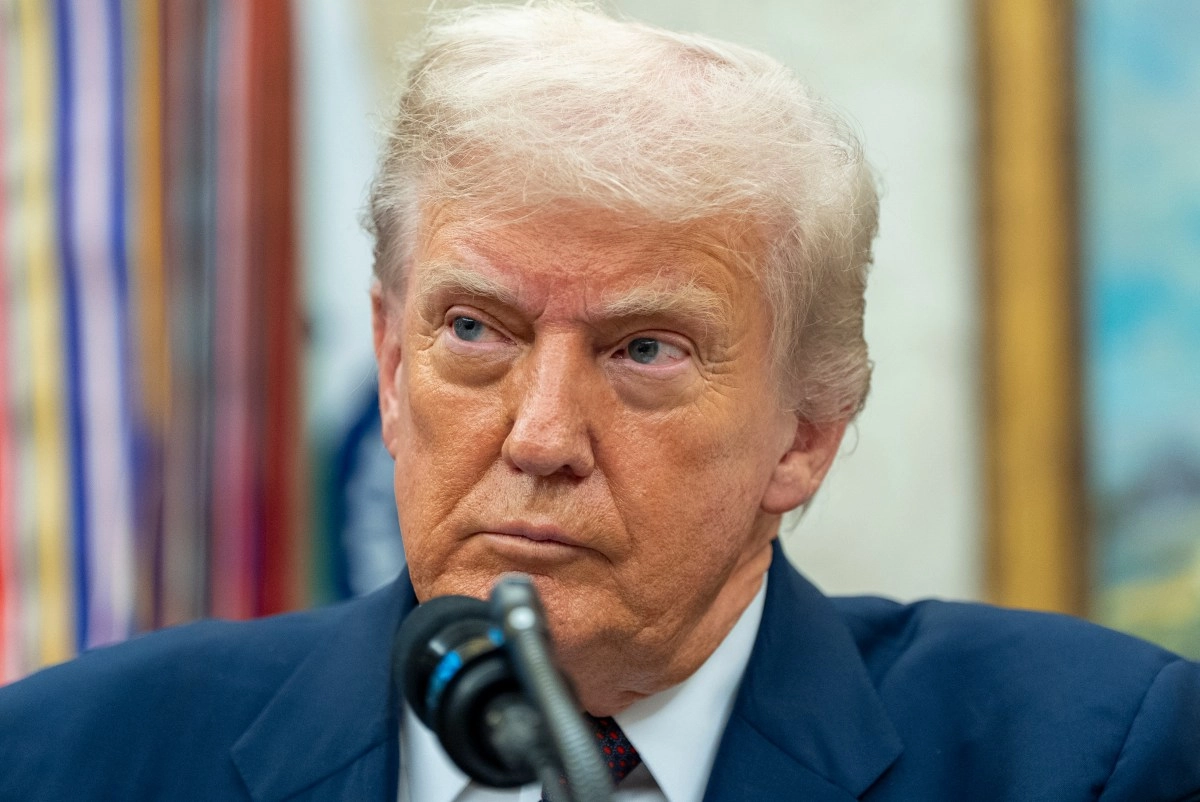

The deadline arrived and as of this Thursday the new "reciprocal" tariffs promoted by President Donald Trump began to be applied, materializing the postponed threats of an increase in taxes on most of the US's partners and intensifies the trade war waged by the president since his return to power in January.
At midnight, both the tariffs agreed with the United Kingdom, China, Vietnam, Japan, the Philippines, Indonesia, the European Union (EU), South Korea and Pakistan, as well as the barriers unilaterally imposed by Washington on countries with which it did not close agreements, including India, Switzerland, South Africa and Venezuela, came into effect.
According to the tycoon, these new tariffs seek to reduce the "large deficit" of the United States vis-à-vis a large part of its commercial allies, which have had to negotiate a rate reduction with Washington.
The new tariff scheme was signed by Trump on July 31, one day before the end of the truce to negotiate new tariffs that were originally scheduled to end on July 9 and then extended to August 1.
In his executive order, the president postponed the entry into force of the vast majority of tariffs for seven days and announced the amount that would be charged to dozens of partners with whom he failed to reach a trade agreement.
Among the exceptions to this entry into force this Thursday are Mexico, which agreed to an extension of another 90 days to continue negotiations, and Canada, whose tariff increase from 25 to 35% takes effect as of August 1.
Trump also imposed a 50% tariff on Brazil this Wednesday in retaliation for the "unfair" treatment of his ally, former President Jair Bolsonaro.
In the case of India, the 25% tariff applied from today will be joined by another 25% additional tariff imposed by the president for the purchase of Russian oil by New Delhi, which will come into effect in 21 days.
The new plan announced by the US president last week set the new minimum rate at 15% for nations with which the US maintains a negative trade balance. This group includes around 40 countries, including Costa Rica, Ecuador, Venezuela, and Bolivia.
On the other hand, those with a positive balance will have a 10% tariff, the minimum global tariff increase announced by Trump in April, including Chile, Colombia, and Argentina.
The vast majority of the partners have seen their tariffs reduced compared to the list published on April 2, dubbed by Trump as "Liberation Day," although others saw their amounts increased.
Among them, the EU negotiated a reduction from 30% to 15% in taxes on most European products, an agreement reflected in the executive order signed by the president.
Other countries that obtained significant reductions were Cambodia (from 49% to 19%), Lesotho (from 50% to 15%) or Vietnam (from 46% to 20%).
In contrast, after Brazil and India (50%), the countries with the highest tariffs are Syria (41%), Laos (40%), Burma (Myanmar) (40%) and Switzerland (39%).
In the case of China, Washington and Beijing have reached a temporary agreement whereby the US lowered its tariffs from 145% to 30%, while China has reduced taxes on US goods from 125% to 10%. They have also lifted restrictions on trade in key goods such as rare earths and semiconductors.
Both countries are in the midst of negotiations to reach a final agreement before the pause expires on August 12.