
Congress Leader Rahul Gandhi Visits Tragedy-Struck Poonch, Jammu and Kashmir
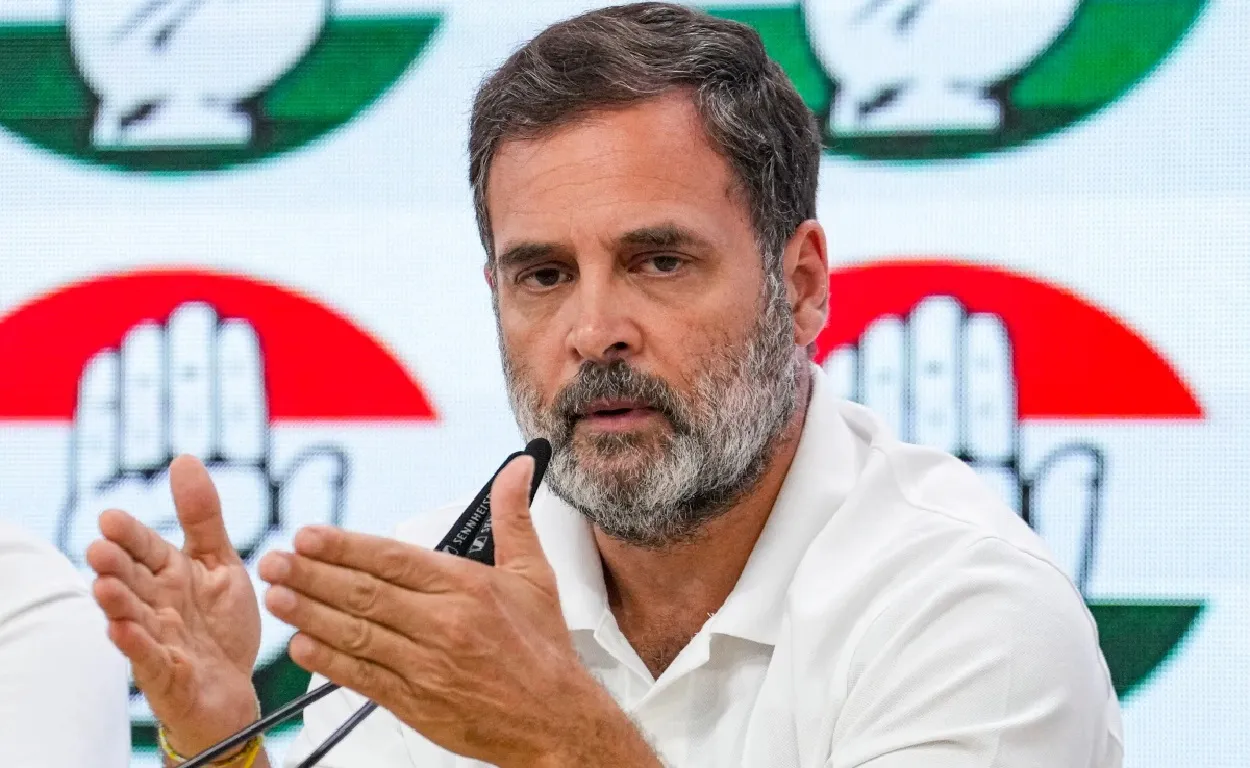
In a deeply emotional and determined gesture of solidarity, Rahul Gandhi, Leader of Opposition (LoP) in the Lok Sabha and senior Congress MP, paid a visit to Poonch, Jammu and Kashmir, on May 24, 2025. This visit follows a recent and devastating incident that shook the region, resulting in significant loss of life and property.
During his interaction with the media and locals, Gandhi remarked, “It was a big tragedy and many people have lost their lives. There has been huge damage. I spoke with the people and tried to understand their problems. They have requested me to raise this issue on the national level and I will do that.”
A Ground-Level Connection: Rahul Gandhi Listens to Poonch Locals’ Pain
Gandhi’s visit was marked by emotional scenes as he met families directly affected by the tragedy. Unlike the usual formalities of political visits, Gandhi took the time to personally engage with locals, listen to their stories, and offer support. From mourning families to local leaders, the people of Poonch found a rare moment of national attention and empathy.
According to eyewitness accounts, Rahul Gandhi walked through the damaged areas, occasionally stopping to console elderly residents and embrace children affected by the trauma. His approach was not one of distance but of genuine human concern a trait that his supporters have often credited him with.
National Attention Promised for Poonch Tragedy: Rahul Gandhi’s Commitment
One of the key takeaways from Gandhi’s visit was his assurance to elevate the concerns of Poonch at the national level. His pledge to speak about the tragedy in Parliament and hold the government accountable resonated with locals and opposition leaders alike.
“When leaders choose to walk among the people rather than speak over them, it creates space for genuine dialogue,” said political analyst Saba Mir. “Rahul Gandhi’s promise to raise the Poonch issue nationally is a critical step in ensuring that the victims are not forgotten once the media cycle moves on.”
Rebuilding Trust and Infrastructure in Conflict-Prone Areas
The tragedy in Poonch is yet another reminder of the fragility and unpredictability of life in conflict-sensitive zones like Jammu and Kashmir. While the immediate focus remains on rescue, recovery, and rehabilitation, long-term measures must be implemented to ensure sustainable peace and safety for residents.
Rahul Gandhi’s visit has reignited calls for both central and state governments to re-evaluate their infrastructure investment, security strategy, and social development programs in remote districts such as Poonch. Community leaders urged for not just temporary relief but systemic changes to reduce vulnerability in these regions.
Social Media Erupts with Solidarity and Political Commentary
As expected in the digital age, Gandhi’s visit quickly made waves across social media platforms. Hashtags like #RahulInPoonch, #PoonchTragedy, and #JammuAndKashmir trended nationwide, drawing both praise and criticism.
Supporters applauded Gandhi’s proactive response and emotional intelligence, while critics debated the timing and political implications of his presence. Nonetheless, the overarching sentiment was one of concern and compassion for the residents of Poonch.
Congress Party Voices Unified Support for the Region
Backing Rahul Gandhi’s commitment, senior Congress leaders echoed his sentiments in press statements and social media posts. They emphasized the party’s readiness to assist the affected families and demanded transparent investigation and accountability for the tragedy.
“This isn’t about politics,” said Congress spokesperson Ananya Sharma. “This is about humanity. Rahul ji is amplifying voices that are often silenced. We will ensure the people of Poonch are not left behind.”
Public Reactions Highlight Need for Leadership Grounded in Empathy
The public’s reaction to Gandhi’s presence has shed light on a growing demand for emotionally intelligent leadership in Indian politics. Residents of Poonch, speaking to reporters, shared that it was the first time in years that they felt truly heard by someone from the national political stage.
“He didn’t just come here for a photo op,” said Bilal Ahmed, a local teacher. “He sat down with us, asked questions, and promised action. That’s rare, and we’re grateful.”
Moving Forward: What This Visit Could Mean for India’s Political Landscape
Rahul Gandhi’s visit to Poonch may be more than a moment of solidarity it could also mark a turning point in how political leaders engage with distressed communities. In an age where public trust in politicians is frequently questioned, Gandhi’s actions may set a precedent for emotionally grounded leadership.
Whether this translates into legislative action or broader national attention remains to be seen. However, his pledge to take the voices of Poonch to Parliament has undoubtedly created a sense of hope in a region long accustomed to neglect.
Conclusion: A Visit That Resonates Beyond Borders
In the wake of an unspeakable tragedy, Rahul Gandhi’s visit to Poonch was not just symbolic it was deeply human. By walking among the people, listening to their pain, and pledging national advocacy, he has brought the spotlight back to a region in need of attention and action.
As the nation looks to its leaders for guidance in times of crisis, Gandhi’s actions serve as a reminder that empathy, when paired with intent, can bring real hope. Now, the eyes of the country and its legislative bodies will be on the promises made in Poonch promises that must transform into policies and results.