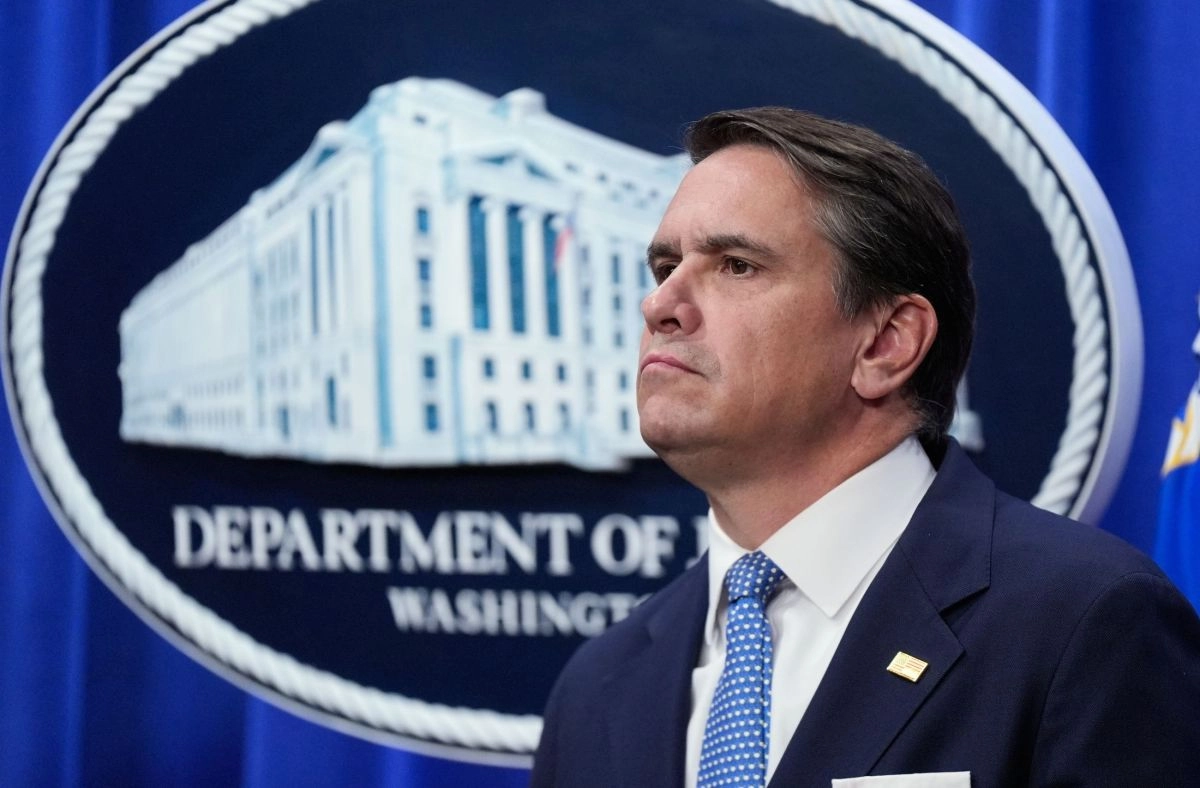

According to information published by Politico, the Department of Justice (DOJ) rejected the request of federal judge Leonie Brinkema, who had requested a signed declaration under penalty of perjury to guarantee that the program would not go ahead.
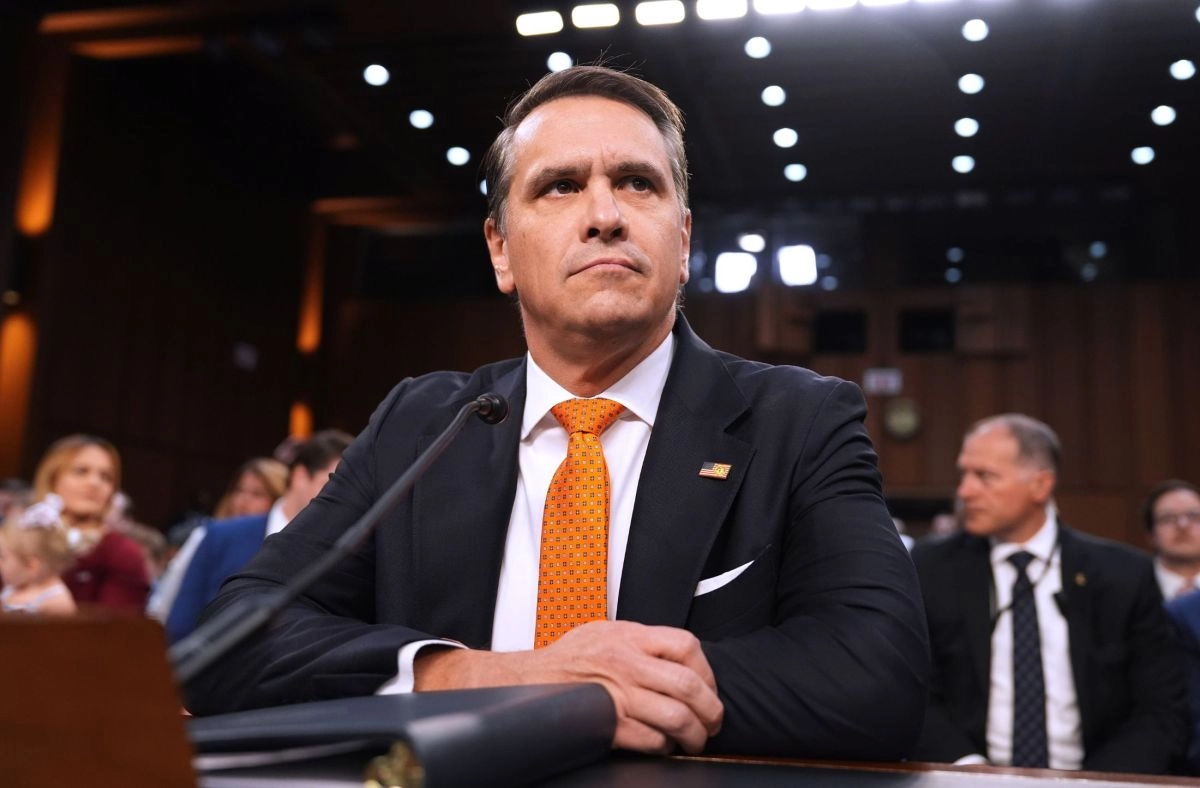
Instead, the administration insisted that public statements made by acting Attorney General Todd Blanche before Congress should be enough to show that the project has been abandoned.
The dispute escalates in court
In a court filing, the Justice Department argued that requiring affidavits from senior executive branch officials is “unnecessary” and raises concerns related to the separation of powers.
The conflict revolves around a fund financed with public resources that would have arisen after an agreement related to the lawsuit filed by Trump against the Internal Revenue Service (IRS) for the leak of his tax returns.
Although Blanche declared before legislators that the government will not continue with the program, opposition groups consider that these statements lack legal force.
“We are not going to move forward with the fund, period,” Blanche said during a congressional hearing on June 2.
However, the plaintiffs maintain that a verbal promise can be modified at any time and require written guarantees.
Doubts persist about the future of the program
Judge Brinkema had suggested she might dismiss the lawsuit if the administration provided formal confirmation of the cancellation. Failure to do so will result in litigation continuing.
The controversy also has political implications for Blanche, whose permanent nomination to head the Justice Department remains pending on Capitol Hill.
The case has raised questions about government transparency and the use of public funds to compensate people who say they were harmed by federal investigations.
Another federal judge, Richard Leon, also expressed reservations about the administration's explanations and issued a direct warning: “Do not act misunderstanding before this court.”
For now, the government's refusal to commit in writing keeps the judicial confrontation open.