

Mexico demands reciprocity from the US after presenting 269 extradition requests
The president of Mexico, Claudia Sheinbaum, claimed a lack of reciprocity in bilateral judicial cooperation on the part of the US government
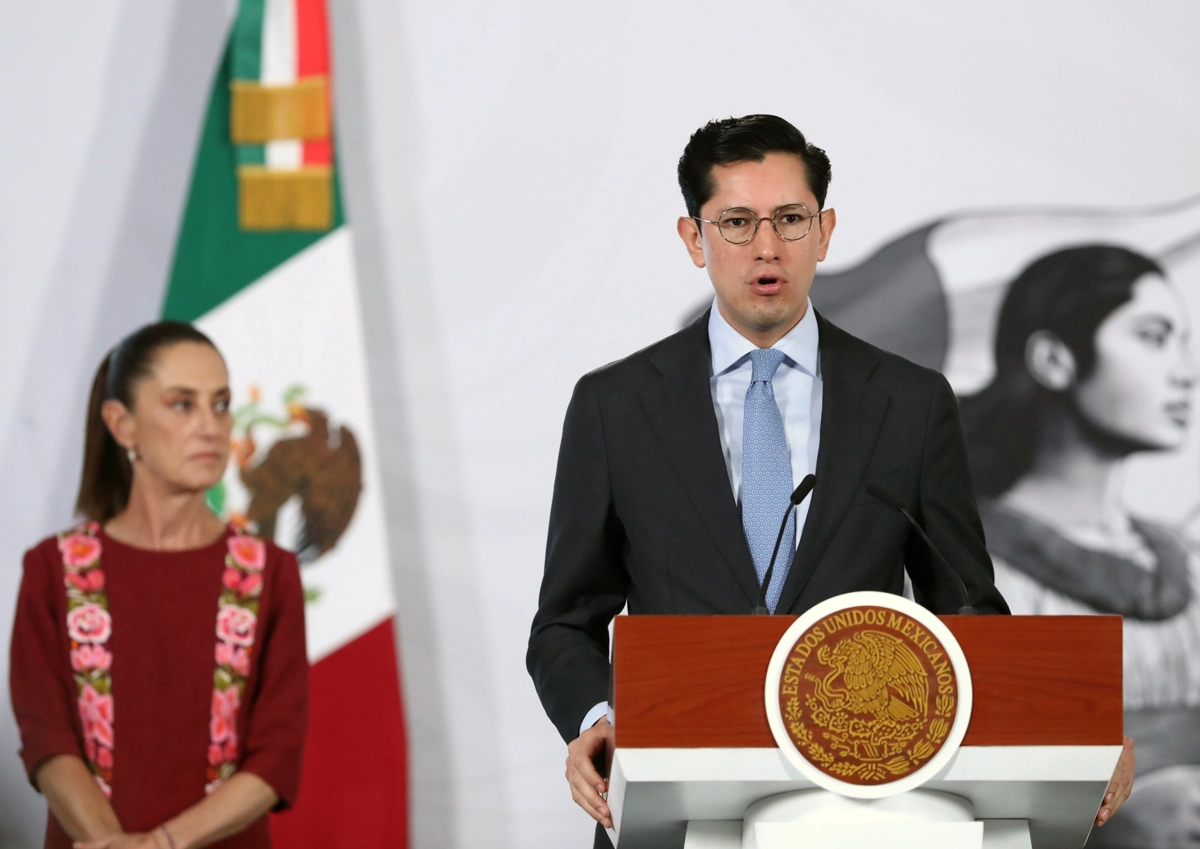

The Government of Mexico stated this Tuesday that it has submitted 269 extradition requests to the United States since 2018 without any being concluded, and defended its decision to demand additional information in processes against Mexicans identified by Washington, including the governor of Sinaloa, Rubén Rocha Moya, accused of drug trafficking.
"From January 1, 2018 to May 13, 2026, Mexico has requested 269 cases of extradition to the United States. None have been delivered so far. 36 have already been denied, 233 remain pending conclusion," said Foreign Minister Roberto Velasco during the presidential press conference.
Furthermore, he pointed out that of the pending requests, 183 correspond to formal extradition requests; while of the 50 provisional detention requests still open, in 47 cases the US authorities requested additional information.
"In 47 of the 50 requests for provisional detention that we have made, the United States government has asked us to present additional information. That is, a common practice between the two countries that requires additional elements," he said.
The head of the Ministry of Foreign Affairs (SRE) maintained that requesting additional evidence in cases of extradition or provisional detention is provided for in the treaty between both countries.
“The legal conclusion (…) allows governments to request, at any time during the process, which has several phases, more information on extradition requests,” he stated.
Velasco explained that Mexico is obliged to thoroughly review applications before proceeding, especially when they involve Mexican citizens.
“We have the obligation to carry out an exhaustive verification of all the elements and arguments of the requests prior to handing over a Mexican national,” he said.
He added that, if the description of a crime is insufficient, the Mexican Government has the legal obligation to require more elements.
“Naturally, if there is a request or an expression of the crime that is too vague or generic, we can or rather have the obligation to request more information before proceeding,” he noted.
The Mexican Government defended this criterion in the face of criticism that arose after the accusations by US authorities against 10 Mexicans, including Rocha Moya, by insisting that the procedure responds to legal obligations.
For her part, the president, Claudia Sheinbaum, claimed a lack of reciprocity in bilateral judicial cooperation and cited pending high-impact cases.
"There are very serious cases for Mexico, bill collectors, former governors, accused of organized crime. (The case) Ayotzinapa there is no delivery of any of these alleged criminals to Mexico," he added.
Rocha Moya, from the ruling National Regeneration Movement (Morena), requested a license a little over two weeks ago to temporarily separate from the position while the Attorney General's Office investigates the case.
The case has generated strong political controversy in Mexico and increased tensions in the bilateral relationship with the United States. EFE