

Tom Steyer is denounced for covert advertising with influencers and violations of electoral transparency
The complaint accuses the Democratic candidate's campaign of hiding payments to content creators and violating electoral transparency rules in California
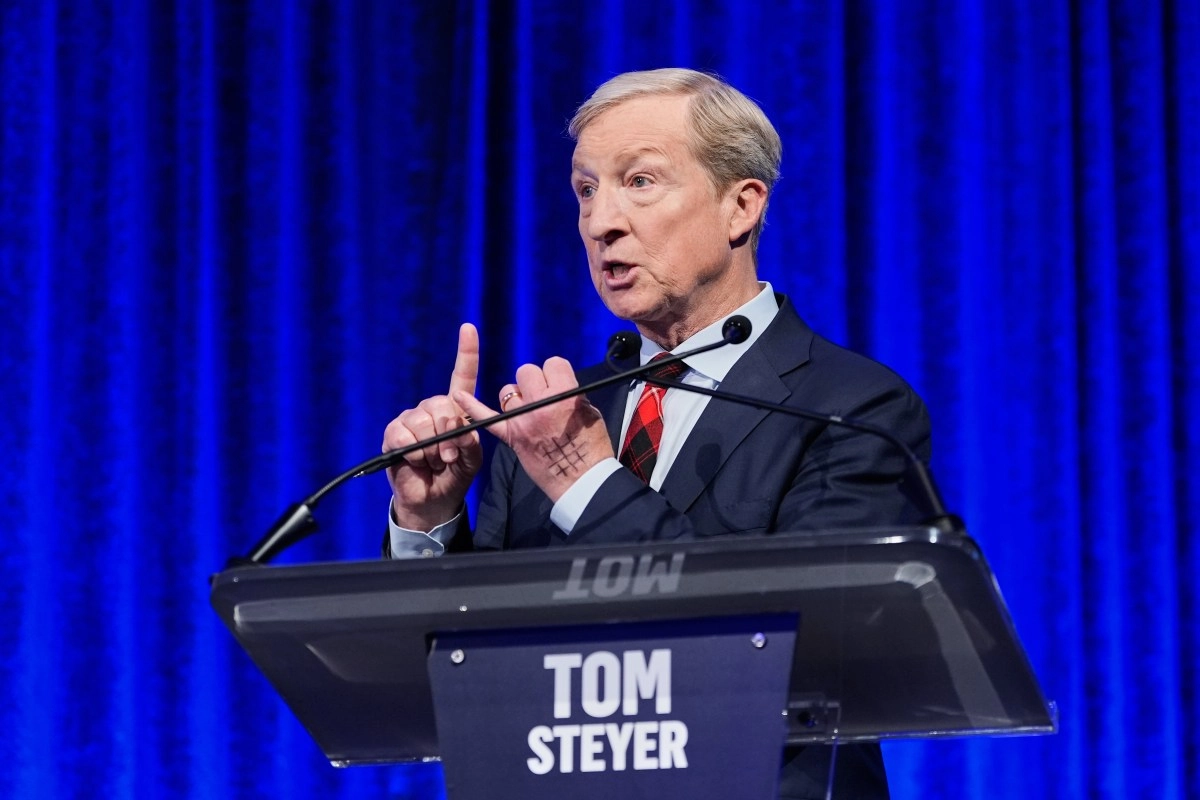

Billionaire businessman and Democratic candidate for California governor Tom Steyer is facing new controversy after a formal complaint was filed with the California Fair Political Practices Commission (FPPC) for alleged violations of election transparency laws related to sponsored content on social media.
The complaint was filed by attorney Nick Rowley on behalf of content creator Margaret “Maggie” Reed, who claims that the Steyer campaign paid her to post political content favorable to the candidate on TikTok, Instagram and X without informing her that state law required disclosure that it was paid advertising.
According to the complaint, the campaign offered a contract for $5,000 in exchange for digital publications related to Steyer. In addition, the document indicates that the agreement included confidentiality clauses that prevented speaking publicly about the payment received, which allegedly contravenes California's political transparency rules.
“The problem is not only the payment to influencers, but the alleged deliberate omission of legal disclosure obligations,” said lawyer Nick Rowley in statements included in the complaint. “You cannot pay influencers, fail to inform them of disclosure requirements, demand silence about payment, and then accuse the creator of acting incorrectly,” he said.
California law states that any political committee that pays a person to post political content on the Internet must notify them that the material must include a visible warning indicating that it is sponsored content.
The complaint also accuses the campaign of incorrectly reporting payments on official financial forms. According to the file, the expense was classified as “TEL” instead of “WEB,” in addition to omitting details about the digital platforms and accounts used to disseminate sponsored political content.
Maggie Reed later reportedly added a label clarifying that the content was “paid for by Tom Steyer,” after learning of the legal obligations, and later removed the posts entirely.
The case joins other recent investigations into Steyer's digital strategy. According to an investigation by The Washington Post, the candidate's campaign would have paid thousands of dollars to multiple influencers to promote their image on social networks without adequately disclosing the business relationship.
The publication revealed that some creators received payments of between $2,000 and $10,000 for content favorable to the candidate, while California regulators are already investigating possible violations related to publications without sponsorship labels.
Steyer's campaign denied acting illegally and said content creators were notified of disclosure rules. Kevin Liao, a spokesman for the campaign, stated that “the campaign believes in compensating people for their time and work” and maintained that the accusations “are baseless.”
The controversy comes amid one of the most expensive gubernatorial campaigns in California history. Various reports indicate that Steyer has invested more than $130 million of his own assets in the 2026 electoral race.
Electoral ethics specialists have warned that the growth of political marketing with influencers could open a new gray area in digital electoral regulation, especially when sponsored content is presented as spontaneous or “authentic” support from popular creators on social networks.