

Republicans postpone vote on Trump's $72 billion immigration plan
The leader of the Republican majority in the Senate confirmed that the debate will be resumed until after the one-week legislative recess
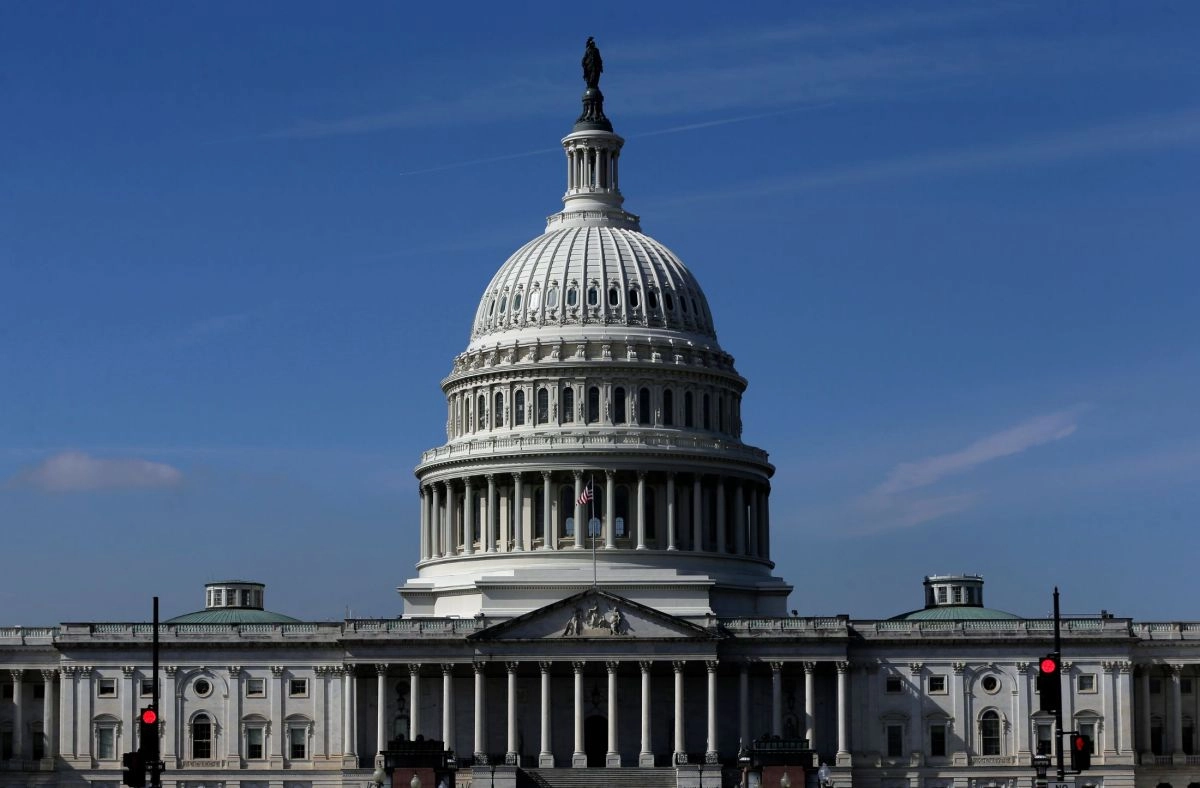

Donald Trump's immigration agenda suffered an unexpected setback in the Senate. Republican legislators decided to postpone the vote on a $72 billion package aimed at strengthening deportations, border security and immigration operations, after strong internal tensions caused by a controversial fund promoted by the Department of Justice (DOJ).
The measure, which sought to financially shield Trump's immigration strategy ahead of the midterm elections, was frozen after a private meeting between Republican senators and Todd Blanche, acting attorney general and former personal lawyer of the president. The meeting, held behind closed doors in the Capitol, ended up evidencing the growing unrest within the Republican Party itself.
According to information published by The New York Times, several senators left the meeting dissatisfied with the lack of clarity about a $1.8 billion fund that the Trump administration intends to use to compensate people who, according to the government, were unfairly persecuted by the federal system.
The main concern revolves around the possibility that some of that money could end up benefiting people linked to the assault on the Capitol on January 6, 2021, many of them later pardoned by Trump.
“He is in serious trouble, and rightly so,” declared Republican Senator Susan Collins as she left the meeting with Blanche.
The fund that fractured the Republicans
Although the immigration project included resources to strengthen ICE, expand deportation operations and strengthen border surveillance, the debate ended up dominated by differences over the DOJ's background and another uncomfortable topic for several Republicans: the intention to allocate a billion dollars for security and improvements related to Trump's ballroom project in the White House.
The combination of both issues raised alarms among moderate senators who face competitive elections in November and who seek to avoid politically risky votes.
The leader of the Republican majority in the Senate, John Thune, confirmed that the debate will be resumed until after the one-week legislative recess.
“We will pick up where we left off,” he told reporters in Washington.
Trump faces resistance within his own party
The delay represents a political setback for Trump, who had asked Congress to approve resources as soon as possible to toughen immigration policy and accelerate deportations.
The initiative contemplated billions of dollars for ICE and Border Patrol operations, at a time when immigration continues to be one of the central issues of the Republican campaign.
However, several legislators consider that including controversial issues within the immigration package could become an unnecessary electoral cost.
Schumer sees a Republican divide
Democrats also took advantage of the Republican divide. Democratic leader Chuck Schumer stated that Republicans “are trapped” because any decision on the fund promoted by Trump could end up affecting them.
"Republicans - so divided, disorganized and caught up in their own disputes - are fleeing Washington. Their majority is crumbling while the economic situation of millions of Americans worsens every day," he said.
And he did not hesitate to assure that: "Today, the Republican Party is experiencing total internal chaos. They are at odds with each other while American families continue to pay the consequences. The Republicans are fracturing over issues that the majority of the population does not support. On the other hand, the Democrats remain united on priorities that do matter to the people: reducing costs, bringing order to the chaos and combating the corruption that has become part of this administration."
Meanwhile, the president of the Hispanic Caucus, Adriano Espaillat, accused Republicans of prioritizing Trump's immigration agenda while cutting social programs. Organizations such as UnidosUS and LULAC stated that the project would increase fear in immigrant communities and divert resources that could be used for health, housing and education.