

Mexicans in the United States: the remote duel for Mexico's elimination from the World Cup
In Los Angeles, Chicago, Houston and other US cities, thousands of Mexicans felt the blow like a distant duel.
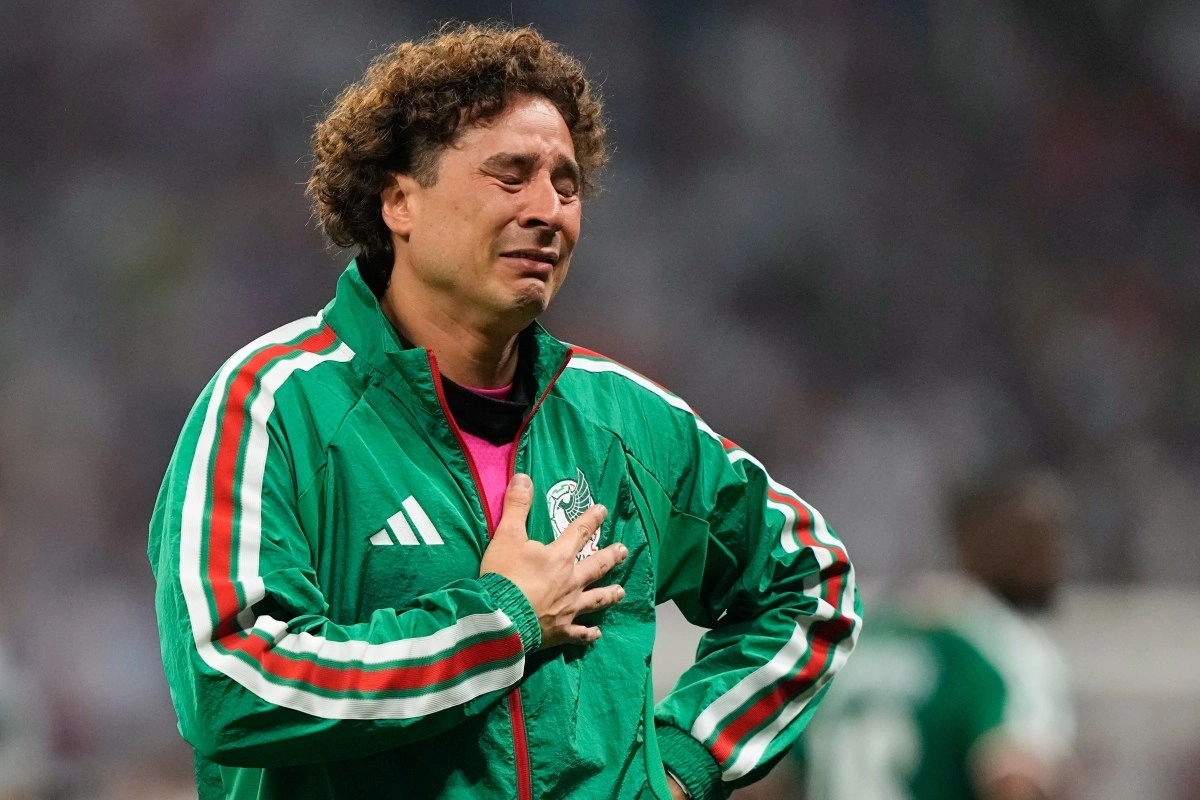

The elimination of Mexico was not felt only in the Azteca. It also hurt in Los Angeles, Chicago, Houston, Dallas and so many cities in the United States where the green shirt is used as a way to return home for a while.
Mexico was left out of the World Cup after losing 3-2 to England in the round of 16, in a match that had started with enthusiasm and ended with a mixture of anger, pride and silence. Reuters described the scene at the Azteca as a party that ended in tears: more than 80,000 fans filled the stadium and saw how the dream was slipping away on a night of rain, tension and enormous expectation.
In the United States, the blow had another depth. According to Pew Research Center, about 40 million people of Mexican origin live in the US and represent 57% of the country's Hispanic population. That figure helps to understand why every game in Mexico is also experienced on the other side of the border: in bars, family homes, restaurants, fan zones and gatherings where soccer mixes identity, nostalgia and belonging.
For many Mexicans in the US, the defeat was not just a sporting one. It was the end of an illusion shared with parents, children and grandparents; an emotion seen in two languages and with the heart shared between two countries. In those meetings, Mexico was not just a team: it was a way of saying “this is me too.”
The pain was greater because the game seemed recoverable. England finished with ten players for much of the second half and Mexico pushed until the end, but was not enough. At the end of the game, Javier Aguirre regretted mistakes, although he also highlighted the efforts of his players.
Therefore, among Mexicans in the United States, the dominant feeling was not only anger. It was something more complex: sadness for being left out, pride for having competed, frustration for having been close and that particular nostalgia of those who experience the World Cup as a direct connection with the country of origin.
Words from celebrities and influencers
Andrea Legarreta thanked the team for “leaving their soul on the field” and “uniting an entire nation,” while Eugenio Derbez called to accompany El Tri “through thick and thin.”
From the locker room, Javier Aguirre put words to the blow: he said that the dream “fell apart,” but that he was proud of the team.
Mexico was eliminated. But on every screen turned on in Los Angeles, Chicago, Houston or Dallas it was clear that El Tri does not play only for those inside Mexico. It also plays for those who have left, for those who were born far away and for those who find in football a way to feel close to home.