

Taylor Swift wins plagiarism lawsuit brought by Florida poet
A judge dismissed the case of poet Kimberly Marasco, who alleged that the superstar copied phrases from her poems in several songs
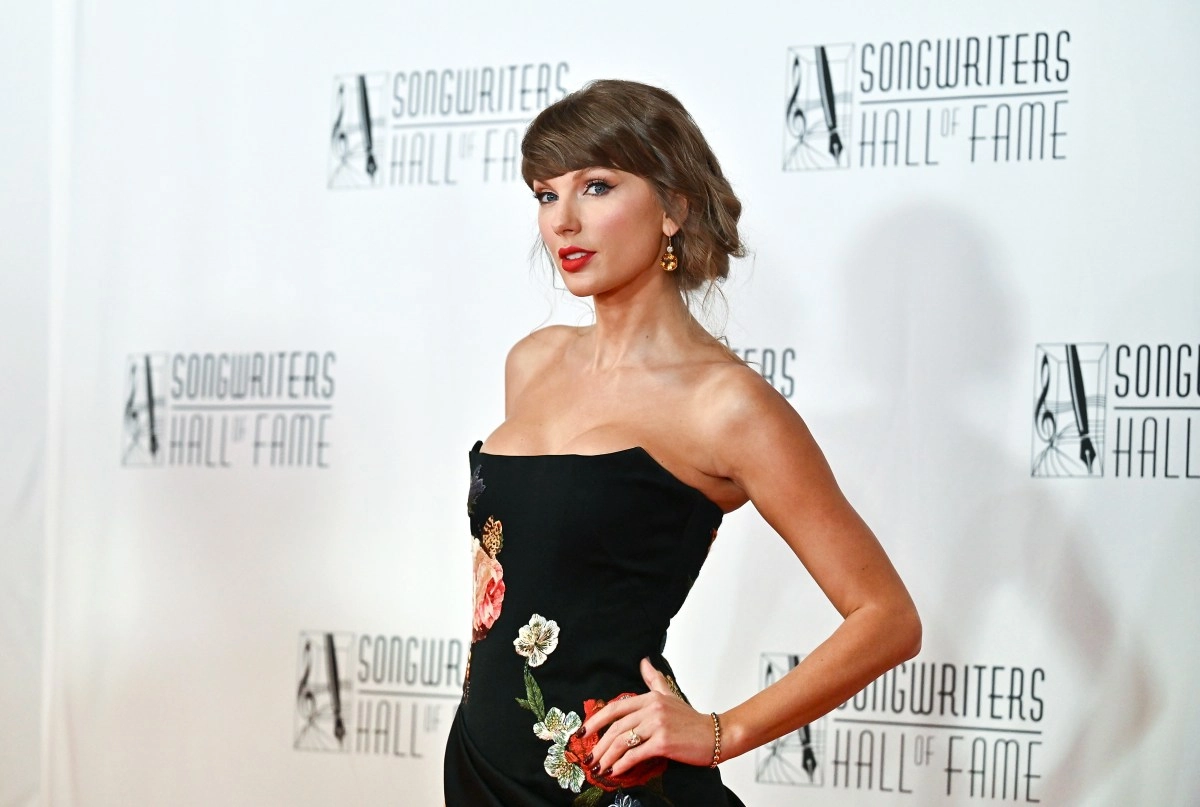

The “wedding gifts” keep coming for Taylor Swift. Three days after her marriage to Travis Kelce, a federal judge definitively dismissed a lawsuit filed 14 months ago by a Florida poet who accused the singer of plagiarizing her works.
Federal Judge Aileen Cannon, who has gained notoriety in recent years, ruled against plaintiff Kimberly Marasco and in favor of Swift, Aaron Dessner, Republic Records and Universal Music Group. In his ruling, Cannon concluded that “plaintiff's poems do not contain protectable expression and that, in any event, plaintiff does not convincingly allege the existence of plagiarism.”
The poet's accusations
Marasco, who acted as her own lawyer, claimed that Swift had copied phrases from her poetry books in songs such as “The Man,” “The Great War,” “Down Bad” and “I Can Do It with a Broken Heart,” the latter from the 2024 album “The Tortured Poets Department.”
Cannon was blunt in his analysis, noting that Marasco's lawsuit was based on alleging that Swift appropriated "basic ideas and themes (a woman working in a corporate environment, being 'psychologically manipulated,' facing adversity); ubiquitous metaphors (being 'submerged' underwater, 'tears as weapons,' 'desire as fuel and fire'); and isolated common words and short phrases ('run,' 'fire,' ‘rain’, ‘love’, ‘invisible’, ‘he caged me’, ‘flesh and blood’, ‘it’s time to go’).”
The judge determined that such content “amounts, at best, to ideas, metaphors, contexts and themes, none of which are appropriate subject matter for copyright protection.”
Defense attorneys described Marasco's lawsuit as an “indiscriminate lawsuit,” a qualification with which the judge agreed. Cannon noted that the plaintiff was referring to the defendants collectively despite the different roles that an artist, a record label and a parent company play in the music industry.
Musicologist Brian McBrearty, who has testified in copyright cases, had anticipated the failure of the case in a column published in December: "Some headlines might imply that Swift got off on a technicality or thanks to an excess of zeal for her personal safety. No. Nothing in this matter is linked in any meaningful way to copyright law."
McBrearty added that "courts can't judge vibrations. They need lawsuits based on authorship."
The case was dismissed “with prejudice,” meaning the decision is final and Marasco cannot amend his lawsuit or file it again in the future. The poet has expressed her intention to appeal the decision.