
Under the odious suspicion that the Mexican Football Federation (FMF) operates as one of the main pawns of Gianni Infantino, president of FIFA, the Mexican organization has decided to play the mystery.
While the great powers close ranks, the FMF published that it prefers to “wait a while” before taking a position on the controversial plan to privatize and sell to individuals the holding of future international tournaments, including the Soccer World Cups.
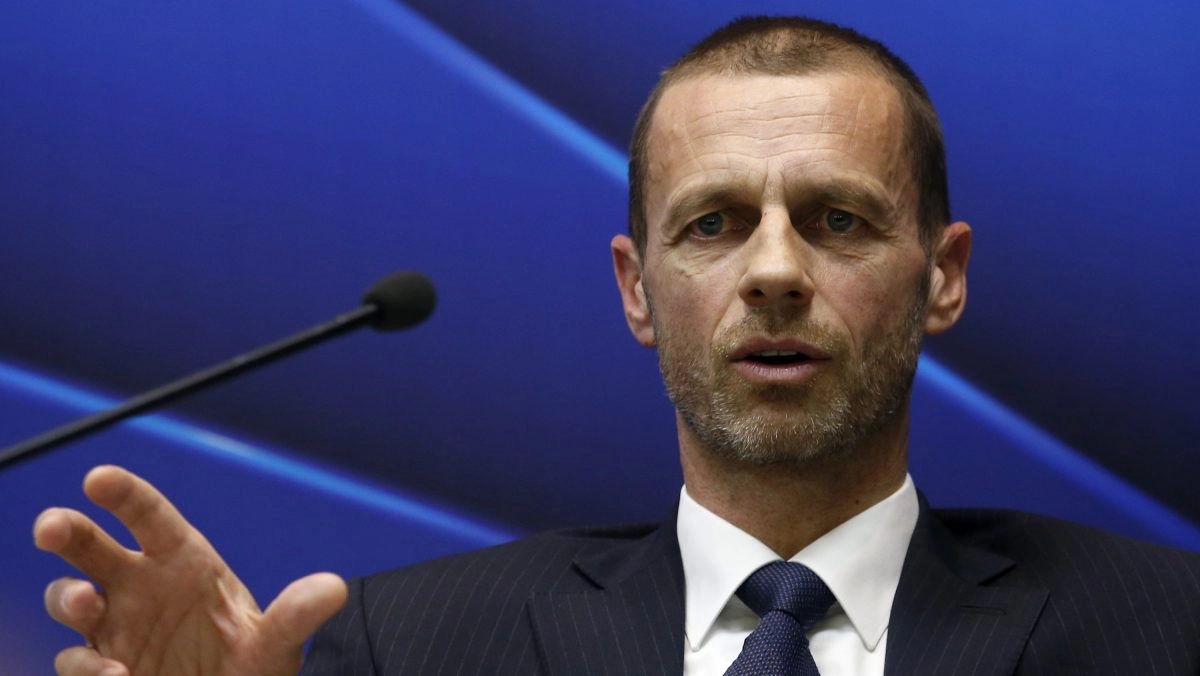
The head of FIFA stirred up the hornet's nest by announcing an aggressive reconfiguration of the FIFA Forward program. The proposal seeks to open the doors wide to private investment in official tournaments, promising in exchange historic economic benefits that would supposedly eclipse the profits from the recent 2026 World Cup co-organized by Mexico, the United States and Canada.
Given the economic offer, the Mexican leadership froze its position on social networks, arguing that they prefer to analyze the proposal to "make the decision that best suits their interests." The weight of words: The official statement
The institutional positioning of the FMF reveals the lukewarmness with which Mexican football usually reacts to the dictates of Zurich. The statement issued details the following: "The Mexican Football Federation was notified by FIFA on July 28, 2026 regarding the proposal of the president, Gianni Infantino, to increase the income of the FIFA Forward program, the main vehicle to promote the positive development of football in the world, based on a new financial model." to the new model. In this regard, the FMF will exhaust this study and analysis process to make the decision that best suits the development of Mexican football."
This posture of submission and “study” directly contravenes the line of fire drawn by the European Football Union (UEFA) and the North, Central American and Caribbean Football Confederation (Concacaf) itself.
Both organizations have already announced a total boycott of FIFA competitions if Infantino insists on handing over the tournaments to private capital.
The FMF, by distancing itself from its own confederation (Concacaf), shows that its loyalties are not in the region, but directly in the presidential office of FIFA.
The three edges of doubt: Television, power and the ghost of Liga MX
The FMF's doubtful attitude is no coincidence; It obeys a network of large commercial interests where immense sums of money outweigh sporting merit. To understand the Mexican silence, three key factors must be broken down:
The umbilical cord with Infantino: The FMF needs to maintain the shelter of FIFA to ensure large-scale events and maintain its political weight in the organization's Congress, serving as a counterweight to the European blocs.
The broadcasting business: The television company that has historically controlled the threads of soccer in Mexico has built its empire thanks to the concessions and broadcasting rights of FIFA tournaments. Breaking with Infantino would mean putting a multimillion-dollar advertising and exclusivity business at risk.
The mirror of rejection in the Liga MX: This FMF truce occurs a few weeks after the notorious rejection of the foreign investment fund proposed by the Televisa company to manage Aztec soccer. The failure of this local project demonstrates the fear and resistance of club owners to ceding total control of their assets to external investors, a direct contradiction with what Infantino intends to do on a global level. Conclusion: The risk of being left alone
Current professional football moves under the narrative of immediate money, but the FMF's movement is high risk. By refusing to support the Concacaf and UEFA boycott, Mexico risks international isolation.
Analyzing the “FIFA Forward” project is not an act of business prudence; It is confirmation that, on Gianni Infantino's board, Mexican managers prefer to be the last to abandon the FIFA president's ship, regardless of the political or sporting cost that Aztec football must pay.